 By chloe
Charitable giving should be simple. You donate money, it reaches people in need, and everyone knows exactly where it went. But traditional donation systems often feel like black boxes. Money goes in, reports come out months later, and you’re left hoping your contribution made the difference you intended.
Blockchain technology is changing that reality. Not through hype or buzzwords, but through fundamental shifts in how donations get tracked, verified, and reported.
Blockchain creates permanent, public records of every donation transaction, making it impossible to alter or hide how funds move through charitable organizations. This technology gives donors real-time visibility into their contributions while reducing administrative costs and increasing trust. Smart contracts automate fund distribution based on predetermined conditions, ensuring money reaches intended recipients without unnecessary intermediaries or delays.
What blockchain actually does for donation tracking
Blockchain functions as a shared ledger that multiple parties can view but no single entity controls. Every transaction gets recorded in a “block” that links to previous blocks, creating an unchangeable chain of financial history.
For donations, this means every dollar you contribute becomes a permanent entry that anyone can verify. The charity receives your funds. The blockchain records it. The organization spends money on programs. The blockchain records that too.
No one can go back and change these records. No administrator can hide expenses. No accountant can manipulate the books months after the fact.
Traditional donation systems rely on annual reports, audited statements, and periodic updates. You donate in January, receive a thank you email, and maybe get an impact report the following year. The time lag creates information gaps where trust either grows or erodes.
Blockchain collapses that timeline. Transactions appear on the ledger within minutes. Donors can check their contribution status anytime without waiting for quarterly newsletters or annual summaries.
Real problems blockchain solves for charities and donors
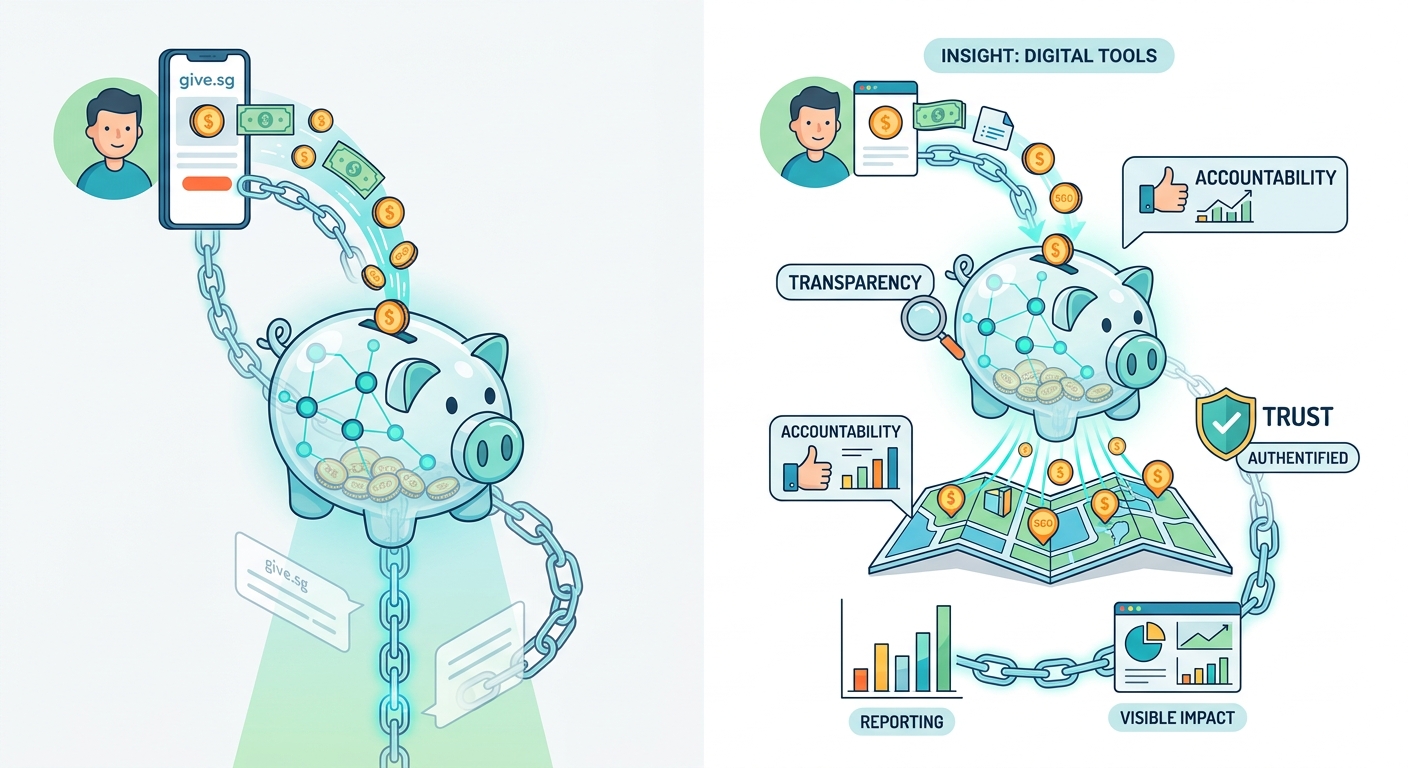
Nonprofit organizations face constant pressure to prove their legitimacy. Donors want assurance their money goes toward programs, not excessive overhead. Regulators demand accurate financial reporting. Board members need clear accountability measures.
These pressures create administrative burden. Staff spend hours documenting expenses, preparing reports, and responding to donor inquiries about fund usage. The cost of maintaining trust becomes a significant operational expense.
Blockchain reduces this burden through automatic record keeping. Every transaction self-documents. The system itself becomes the audit trail.
Consider a disaster relief campaign. Traditional tracking requires:
- Manual entry of each donation into accounting software
- Reconciliation between bank statements and internal records
- Documentation of how funds get allocated to different relief efforts
- Preparation of donor reports showing impact
- External audits to verify accuracy
Blockchain handles most of these steps automatically. The donation creates a record. Fund allocation creates another record. The entire chain remains visible to authorized parties without additional documentation work.
This transparency also protects organizations from false accusations. When every transaction lives on a public ledger, claims of misappropriation become easy to disprove. The data speaks for itself.
How smart contracts automate donation distribution
Smart contracts are self-executing agreements written in code. They automatically perform actions when specific conditions get met.
For charitable giving, smart contracts can:
- Release funds to partner organizations only after they submit required documentation
- Distribute matching donations automatically when individual contributions reach certain thresholds
- Return unused funds to donors if campaign goals aren’t met by specified deadlines
- Allocate percentages of total donations to different program areas based on donor preferences
- Trigger milestone payments as project phases get completed and verified
This automation removes human decision points where delays or disputes typically occur. The contract follows its programmed rules without requiring approval chains or manual processing.
A scholarship fund provides a clear example. Traditional administration requires staff to:
- Collect applications
- Verify eligibility
- Make selection decisions
- Process payments
- Track fund balances
- Report to donors
Smart contracts can automate verification and payment steps. Students submit credentials that get checked against eligibility requirements coded into the contract. Qualifying recipients automatically receive funds. Donors see real-time updates on scholarships awarded.
The human element remains important for judgment calls and relationship building. But routine verification and distribution tasks happen automatically, freeing staff for higher-value work.
Common concerns about blockchain in charitable giving
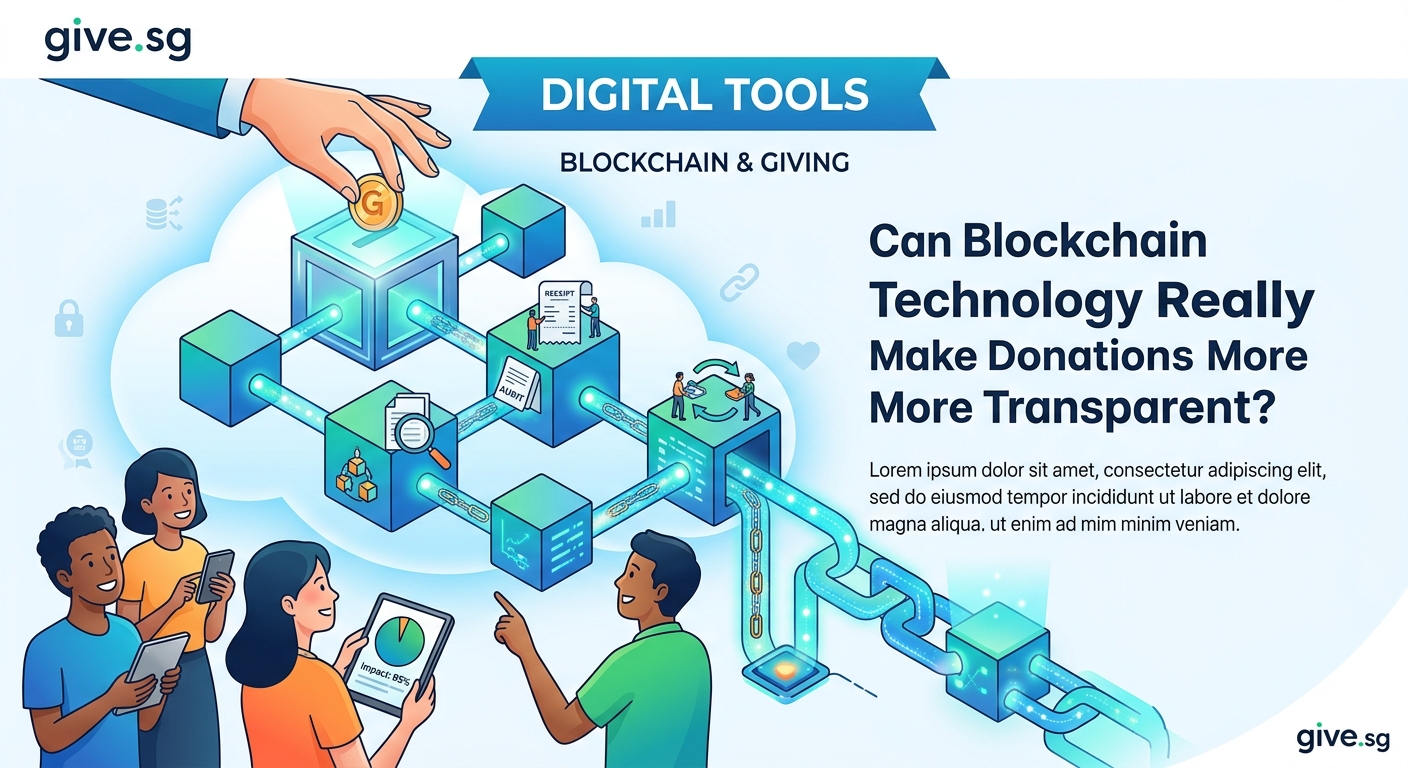
New technology always raises questions. Blockchain faces particular scrutiny because it’s associated with cryptocurrency volatility and technical complexity.
| Concern | Reality |
|---|---|
| Too complicated for average donors | Donors interact through normal websites and apps; blockchain runs in the background |
| Requires cryptocurrency knowledge | Organizations can accept traditional currency that converts to blockchain tokens automatically |
| Privacy issues with public ledgers | Personal donor information stays private; only transaction amounts and wallet addresses appear publicly |
| High transaction fees | Newer blockchain networks process transactions for pennies, not dollars |
| Environmental impact of energy use | Modern blockchains use energy-efficient validation methods, not resource-intensive mining |
| Lack of regulation and oversight | Charitable blockchain platforms still comply with existing nonprofit regulations and tax laws |
The biggest barrier isn’t technical capability. It’s organizational willingness to adopt new systems and educate stakeholders about how they work.
Many nonprofits operate on tight budgets with limited technology staff. Implementing blockchain requires upfront investment in platform integration, staff training, and donor communication. The long-term benefits of reduced administrative costs and increased trust take time to materialize.
Early adopters tend to be larger organizations with dedicated technology teams or smaller nonprofits founded specifically around blockchain principles. Mid-sized traditional charities often wait for more turnkey solutions before making the switch.
Practical steps for implementing blockchain donation tracking
Organizations considering blockchain transparency should start with clear goals. What specific problems are you trying to solve? Better donor retention? Reduced audit costs? Faster fund distribution to field programs? Compliance with new transparency regulations?
Your goals determine which blockchain features matter most.
Here’s a realistic implementation path:
-
Assess your current donation infrastructure. Document how donations currently flow through your systems, where manual processes create bottlenecks, and what transparency gaps exist. This baseline helps measure improvement after blockchain adoption.
-
Choose a blockchain platform designed for nonprofits. General cryptocurrency platforms require significant technical expertise. Purpose-built charitable giving platforms handle the complexity while providing user-friendly interfaces for staff and donors.
-
Start with a pilot program. Select one campaign or program area to test blockchain tracking. This limited scope lets you work out issues before full organizational adoption. Choose something with clear success metrics so you can demonstrate value to skeptical stakeholders.
-
Communicate changes to donors clearly. Many people hear “blockchain” and think of confusing cryptocurrency news. Explain the specific benefits they’ll experience: real-time donation tracking, lower processing fees, guaranteed fund allocation to stated purposes. Use simple language and visual examples.
-
Train staff on new processes. Even user-friendly platforms require learning. Staff need to understand how to enter transactions, generate reports, and answer donor questions about the new system. Budget time for this education phase.
-
Gather feedback and iterate. Your first implementation won’t be perfect. Collect input from staff, donors, and partner organizations. Adjust processes based on what actually works in practice, not just what looked good in planning.
The timeline for full implementation typically runs six to twelve months from initial assessment to organization-wide adoption. Rushing creates confusion and resistance. Patience builds buy-in.
Real examples of blockchain transparency in action
Several organizations have moved beyond pilot programs to operational blockchain donation systems.
The United Nations World Food Programme uses blockchain to distribute cash assistance to refugees. Recipients receive cryptocurrency-based vouchers they can spend at participating merchants. The blockchain tracks every transaction, showing exactly how aid money gets used while protecting recipient privacy through encrypted identities.
This system processes millions of dollars in aid with dramatically lower transaction fees than traditional banking. It also works in areas with limited banking infrastructure, since transactions only require internet connectivity and a smartphone.
Charity: Water, an organization funding clean water projects worldwide, implemented blockchain tracking for donor contributions. Supporters can follow their specific donation from initial contribution through project completion. GPS coordinates, photos, and progress reports link directly to blockchain transaction records.
This level of transparency transformed donor relationships. People don’t just trust their money went to water projects. They see exactly which well their contribution funded and can visit the location if they choose.
GiveTrack, a platform created by BitGive, provides blockchain donation tracking for multiple charities. Each participating organization creates campaigns with specific goals and milestones. Donors receive unique transaction IDs they can use to monitor fund usage in real time.
The platform includes features for recurring donations, employer matching, and impact measurement. All transaction data remains permanently accessible, creating a complete history of each campaign’s financial journey.
These examples share common elements:
- Clear communication about how blockchain improves donor experience
- User interfaces that hide technical complexity
- Integration with existing nonprofit operations
- Focus on specific problems blockchain solves well
- Measurable improvements in efficiency or trust
Organizations succeeding with blockchain don’t treat it as a magic solution. They apply it strategically to genuine pain points in their donation systems.
What donors should look for in blockchain-enabled charities
As more organizations adopt blockchain transparency, donors gain new ways to evaluate where they contribute.
“The best blockchain donation systems make verification effortless. You shouldn’t need technical knowledge to confirm your money reached its intended purpose. If the organization can’t explain their blockchain implementation in plain language, they’re either using it as a marketing gimmick or haven’t fully thought through the donor experience.” – Nonprofit Technology Consultant
When evaluating blockchain-enabled charities, consider:
- Can you access transaction records without creating accounts or downloading special software?
- Does the organization explain what information appears on the blockchain and what stays private?
- Are transaction records linked to meaningful project updates, or just financial data?
- How frequently does the blockchain get updated with new transaction information?
- What happens if you have questions or concerns about transaction records?
Blockchain transparency should make your life easier, not more complicated. The technology works best when it fades into the background while providing assurance your contribution matters.
Some organizations may use “blockchain” as a marketing term without implementing meaningful transparency. Look for specific details about which blockchain they use, how to access transaction records, and what information you can verify.
Legitimate blockchain implementations provide clear instructions for viewing your donation’s journey. If that information is hard to find or requires technical expertise to understand, the organization may not be using blockchain effectively.
Building donor trust through permanent records
Trust takes years to build and moments to destroy. Every nonprofit scandal, every news story about misused donations, every vague impact report erodes public confidence in charitable giving.
Blockchain can’t prevent all problems. Bad actors might still find ways to misuse funds or mislead donors. But permanent, public transaction records make deception much harder and detection much easier.
The psychological impact matters as much as the technical capability. Knowing that transaction records can’t be altered changes how organizations think about financial management. It creates accountability at the system level, not just the policy level.
This shift affects organizational culture. When everyone knows their financial decisions become permanent public record, they make different choices. Questionable expenses get reconsidered. Documentation standards improve. Transparency becomes the default, not an aspiration.
For donors, this cultural shift rebuilds confidence. You’re not trusting individuals to do the right thing. You’re relying on a system that makes the right thing visible and the wrong thing obvious.
Getting started with blockchain donations today
You don’t need to understand blockchain technology to benefit from it. Many platforms now offer blockchain-backed donation options that work exactly like traditional online giving.
Organizations ready to implement blockchain transparency should start by talking with current donors. What questions do they ask about fund usage? What concerns do they express about accountability? What would make them more confident in their giving decisions?
These conversations reveal whether blockchain transparency addresses real donor needs or just sounds innovative. The best technology implementations solve actual problems, not hypothetical ones.
For individual donors curious about blockchain giving, start by researching organizations already using these systems. Make a small contribution and follow the transaction process. See how easy or difficult it is to verify your donation’s impact.
The future of charitable giving isn’t about choosing between traditional methods and blockchain technology. It’s about using the right tools for specific transparency and accountability needs.
Some donations benefit enormously from blockchain tracking. Others work fine with conventional systems. The key is matching the technology to the problem.
Making transparency the new normal
Blockchain transparency in donations represents more than technological innovation. It signals a fundamental shift in how charitable organizations demonstrate accountability and how donors verify impact.
The technology removes excuses for opacity. Organizations can no longer claim transparency is too expensive or too complicated. The tools exist. The costs continue dropping. The benefits become clearer every year.
This doesn’t mean every charity needs blockchain tomorrow. But it does mean donors can increasingly expect and demand this level of transparency. Organizations that embrace these tools early build competitive advantages in donor trust and operational efficiency.
The question isn’t whether blockchain will transform charitable giving. It’s how quickly organizations and donors will adopt systems that make every contribution visible, verifiable, and valuable. The technology is ready. The rest is up to us.