 By chloe
You want to make a difference, but your calendar is packed. Between work deadlines, class schedules, and life’s daily demands, traditional volunteering feels impossible. The good news? You can contribute to meaningful causes without leaving your couch or blocking off entire weekends.
[Virtual volunteering](https://en.wikipedia.org/wiki/Virtual_volunteering) opportunities let you contribute skills and time to global causes from anywhere with internet access. These flexible roles range from tutoring students abroad to transcribing historical documents, fitting around your existing commitments while creating measurable impact. You choose when, where, and how much time you give.
What makes virtual volunteering different
Traditional volunteering requires you to show up at specific times in specific places. Virtual volunteering flips that model completely.
You work on your schedule. Many roles let you log in at midnight or during your lunch break. Geographic boundaries disappear. A student in Singapore can tutor kids in rural America. A designer in Chicago can create graphics for a wildlife conservation group in Kenya.
The work itself varies wildly. Some opportunities need specialized skills like web development or legal expertise. Others simply need your time and empathy, like writing letters to isolated seniors or moderating online support communities.
Most platforms vet both volunteers and organizations. You’ll typically create a profile, browse opportunities, and apply for roles that match your interests and availability. Some positions require background checks or training modules. Others let you start contributing within hours.
Finding platforms that match your skills
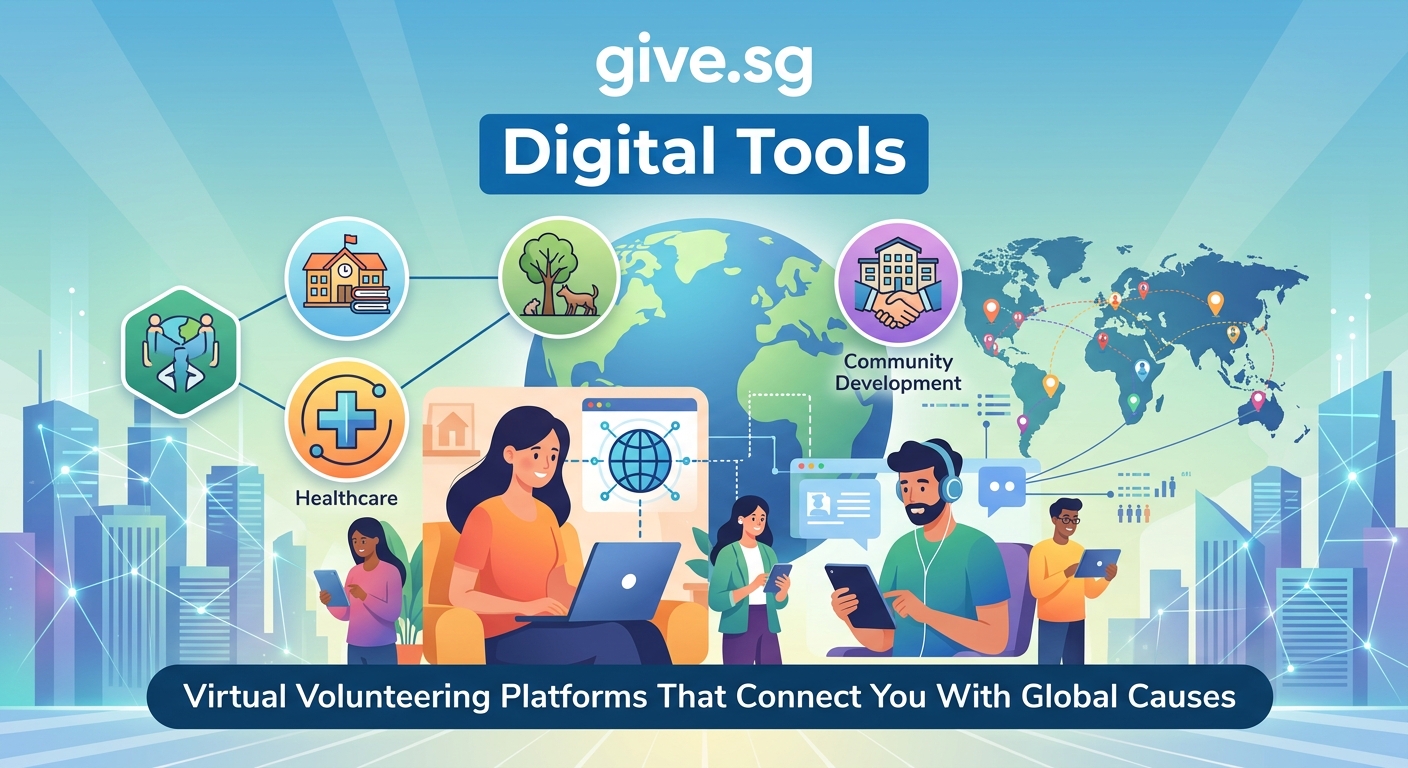
Different platforms specialize in different types of service. Picking the right one saves you from scrolling through hundreds of mismatched opportunities.
Catchafire connects professionals with nonprofits needing specific expertise. Marketing strategists help organizations refine their messaging. Accountants review financial systems. Graphic designers create fundraising materials. Projects are scoped with clear deliverables and timelines, usually requiring 5 to 15 hours total.
UN Volunteers offers opportunities tied to sustainable development goals. You might research climate policy, translate documents into multiple languages, or provide technical support for humanitarian projects. Many roles suit students or early career professionals building experience in international development.
Crisis Text Line trains volunteers to provide text based support to people in crisis. After completing a 30 hour training program, you commit to one four hour shift per week. It’s emotionally demanding work that requires consistency and resilience.
Be My Eyes uses a simple app to connect blind and low vision people with sighted volunteers. When someone needs help reading a label or navigating an unfamiliar space, they request a video call. You might spend two minutes helping someone check if milk has expired. Calls come randomly, so it fits unpredictable schedules.
Smithsonian Digital Volunteers need no special skills beyond attention to detail. You transcribe historical documents, tag photographs, or help catalog museum collections. Work at your own pace with no minimum time commitment.
Matching opportunities to your actual availability
Your schedule determines which roles will work. Be honest about your capacity before committing.
Micro volunteering for unpredictable schedules
Some people have free time but can’t predict when it will happen. Micro volunteering tasks take 5 to 30 minutes and require no ongoing commitment.
Zooniverse hosts citizen science projects. You might classify galaxy shapes, identify animals in camera trap photos, or transcribe weather observations from old ship logs. Each task takes minutes. You can do one or one hundred.
Free Rice turns vocabulary practice into donated rice. Answer trivia questions correctly and sponsors donate grains to the World Food Programme. It’s volunteering disguised as a brain game you can play while waiting for coffee to brew.
Regular commitments for stable routines
If you can block off the same time each week, opportunities expand dramatically.
Tutoring platforms like Learn To Be match volunteers with students for weekly one hour sessions. You help with homework, practice reading, or explain math concepts over video chat. The consistency helps students build trust and make real progress.
7 Cups trains emotional support listeners who commit to regular availability. After certification, you take shifts providing anonymous text based support to people dealing with anxiety, loneliness, or everyday stress.
Project based work for busy professionals
Professionals often prefer defined projects over ongoing commitments. You know exactly what you’re signing up for and when it ends.
Taproot Foundation and CommonImpact both match skilled volunteers with nonprofits for strategic projects. A team might spend three months developing a marketing plan or redesigning a donor database. Projects typically require 50 to 100 total hours spread across several months.
Skills you can contribute right now
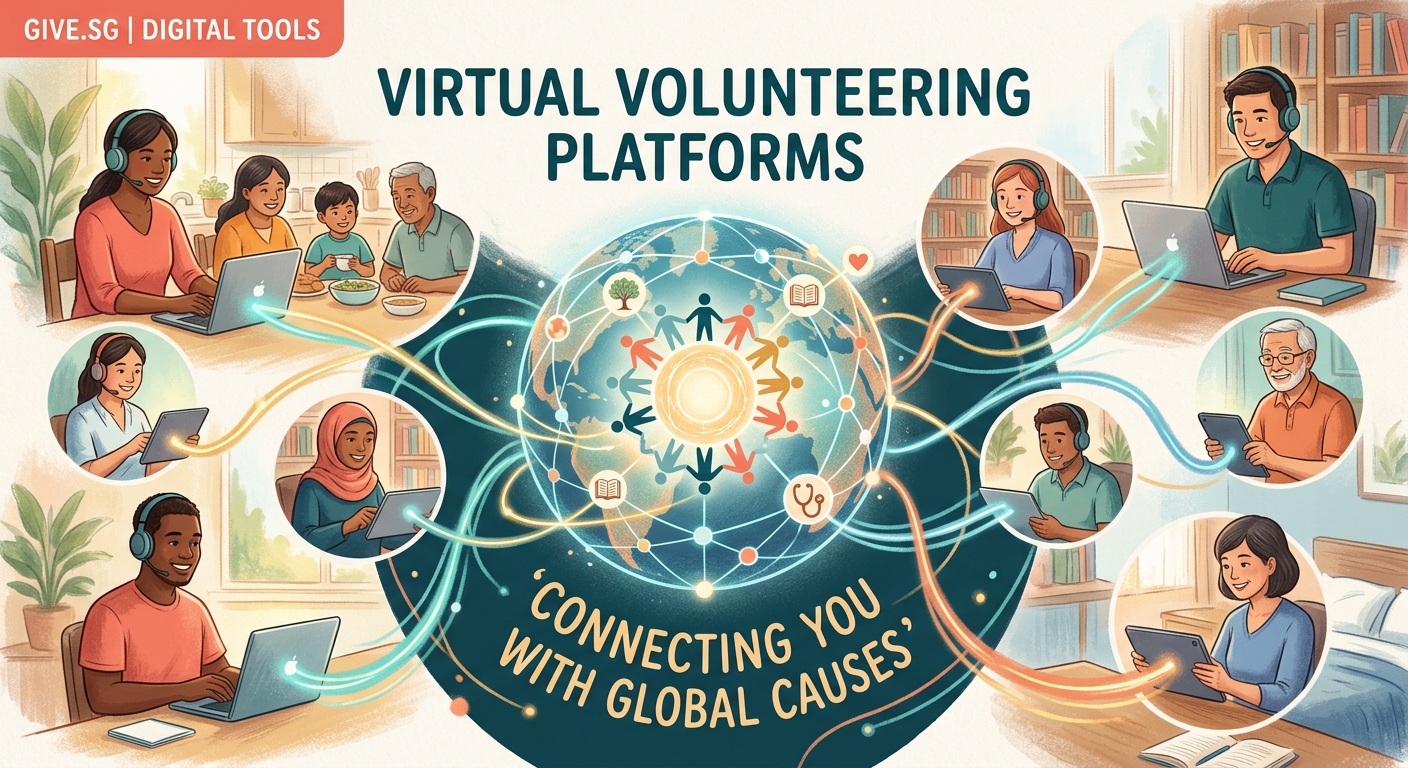
You don’t need rare expertise to make meaningful contributions. Here’s what organizations actually need.
| Skill Type | Example Roles | Time Commitment | Impact |
|---|---|---|---|
| Writing and editing | Grant writing, newsletter creation, blog posts | 2-10 hours per project | Helps organizations communicate mission and secure funding |
| Language skills | Translation, interpretation, language tutoring | 1-5 hours per task | Breaks down barriers for non English speakers |
| Tech and design | Website updates, graphic design, social media | 3-15 hours per project | Increases organizational visibility and effectiveness |
| Teaching and mentoring | Tutoring, career coaching, skill workshops | 1-2 hours weekly | Directly changes individual lives through knowledge transfer |
| Research and data | Market research, data entry, survey analysis | 2-8 hours per project | Provides evidence for program decisions and grant applications |
| Administrative support | Email management, scheduling, database updates | 2-5 hours weekly | Frees staff time for mission critical work |
The most needed skills are often the most basic. Organizations constantly need people who can answer emails professionally, update spreadsheets accurately, or proofread documents carefully.
“We receive hundreds of applications from developers wanting to build us a new platform. What we actually need is someone who can spend two hours a week responding to donor thank you emails with genuine warmth. The unsexy work often creates the biggest impact.” – Nonprofit program director with 15 years experience
Avoiding common virtual volunteering mistakes
New virtual volunteers often stumble in predictable ways. Here’s how to skip the learning curve.
Overcommitting at the start. Enthusiasm fades when you realize you promised 10 hours a week but only have 3. Start small. You can always increase your commitment later.
Ignoring time zones. A “flexible” tutoring role might still require availability during specific hours that don’t work with your schedule. Clarify expectations before applying.
Treating it casually because it’s remote. Organizations depend on volunteers showing up when promised. Missing virtual shifts wastes staff time and disappoints people counting on you. If something comes up, communicate early.
Choosing based on resume building instead of genuine interest. You’ll burn out fast if you don’t actually care about the cause. Pick something that energizes you, even if it seems less impressive on paper.
Skipping the training. Some platforms offer optional training modules. Don’t skip them. They prevent mistakes and help you contribute more effectively from day one.
Making your contribution count
Showing up is the baseline. These practices separate volunteers who create real impact from those who just check boxes.
-
Ask questions early. If instructions are unclear, speak up immediately. Guessing wastes everyone’s time and might create work for others to fix.
-
Track your hours and outcomes. Many platforms let you log volunteer time. This helps organizations report to funders and helps you see your cumulative impact. Seeing that you’ve tutored for 50 hours or transcribed 200 documents feels surprisingly motivating.
-
Request feedback. After completing a project, ask the organization what worked well and what could improve. This helps you contribute more effectively next time.
-
Respect boundaries. Virtual work can blur professional lines. Don’t contact people outside platform systems or share personal information unless explicitly appropriate.
-
Commit for a defined period. Instead of open ended volunteering, commit to three months or a specific project. This gives you a natural exit point without guilt and helps organizations plan around your availability.
Building skills while giving back
Virtual volunteering offers a unique chance to develop professional capabilities in low stakes environments.
Want to try project management but never had the opportunity? Coordinate a fundraising campaign for a small nonprofit. Curious about user experience design? Help an organization improve their volunteer onboarding process.
These experiences build your resume, but more importantly, they build confidence. You learn what you enjoy and what drains you. You practice skills like stakeholder communication, deadline management, and giving and receiving feedback.
Students especially benefit from this testing ground. A college sophomore unsure about pursuing education can tutor online before committing to a teaching degree. Someone considering a career change into tech can take on small coding projects before enrolling in an expensive bootcamp.
The stakes are lower than paid work, but the learning is just as real.
Measuring your real world impact
Numbers help you see the cumulative effect of small contributions.
- One hour of tutoring per week equals 52 hours per year, roughly equivalent to a full time work week dedicated to education
- Transcribing 10 historical documents makes them searchable and accessible to researchers worldwide
- A single graphic design project might be used in materials reaching thousands of potential donors
- Four hours monthly as a crisis counselor could mean supporting 20 to 30 people through difficult moments each year
Some platforms provide impact dashboards showing your total contribution. Others send periodic updates about how your work supported larger organizational goals.
But impact isn’t always quantifiable. The student who finally understands fractions because you explained them differently. The museum researcher who discovers something new in a document you transcribed. The person in crisis who didn’t feel alone because you were there to listen.
These moments don’t fit neatly into metrics, but they’re why virtual volunteering matters.
Starting your first virtual volunteer role
Ready to begin? Here’s your action plan.
-
List your available time honestly. Look at your actual calendar for the next month. When do you consistently have free time? How much? Is it predictable or random?
-
Identify causes you genuinely care about. What issues make you angry or hopeful? What problems do you want to see solved? Your motivation matters more than what looks good.
-
Browse three platforms. Pick platforms based on your answers above. Spend 20 minutes on each browsing actual opportunities, not just reading about them.
-
Apply for one role. Not three. Not five. One. Complete the application thoughtfully. If selected, give it your full effort for the committed timeframe.
-
Evaluate after your first commitment ends. What worked? What didn’t? Do you want to continue with this organization, try something different, or take a break?
The biggest mistake is overthinking. You don’t need the perfect opportunity. You need to start somewhere and learn what works for you.
Creating a sustainable volunteering practice
The goal isn’t to volunteer intensely for two months and burn out. It’s to find a rhythm that works long term.
Some people thrive with consistent weekly commitments. Others prefer intense project bursts followed by breaks. Some do best with multiple small tasks scattered throughout the week.
Your ideal pattern might shift with life changes. A new job might reduce your capacity. A slow work season might free up more time. Remote volunteering adapts to these fluctuations better than traditional roles.
Build in reflection time. Every few months, assess whether your current commitment still serves both you and the organization. It’s okay to change direction. It’s better to volunteer three hours weekly for years than 15 hours weekly for two months before disappearing.
Your contribution starts today
You have skills someone needs right now. An organization is struggling with exactly the thing you find easy. A person would benefit from the knowledge you take for granted.
Virtual volunteering removes the traditional barriers. No commute. No rigid schedule. No geographic limits. What remains is the simple question of whether you’ll use your time and abilities to help.
The answer doesn’t need to be dramatic. You don’t need to save the world or transform your entire life. You just need to pick one opportunity that fits your schedule and interests, then show up consistently for the people counting on you.
Start small. Start today. The impact will follow.