 By chloe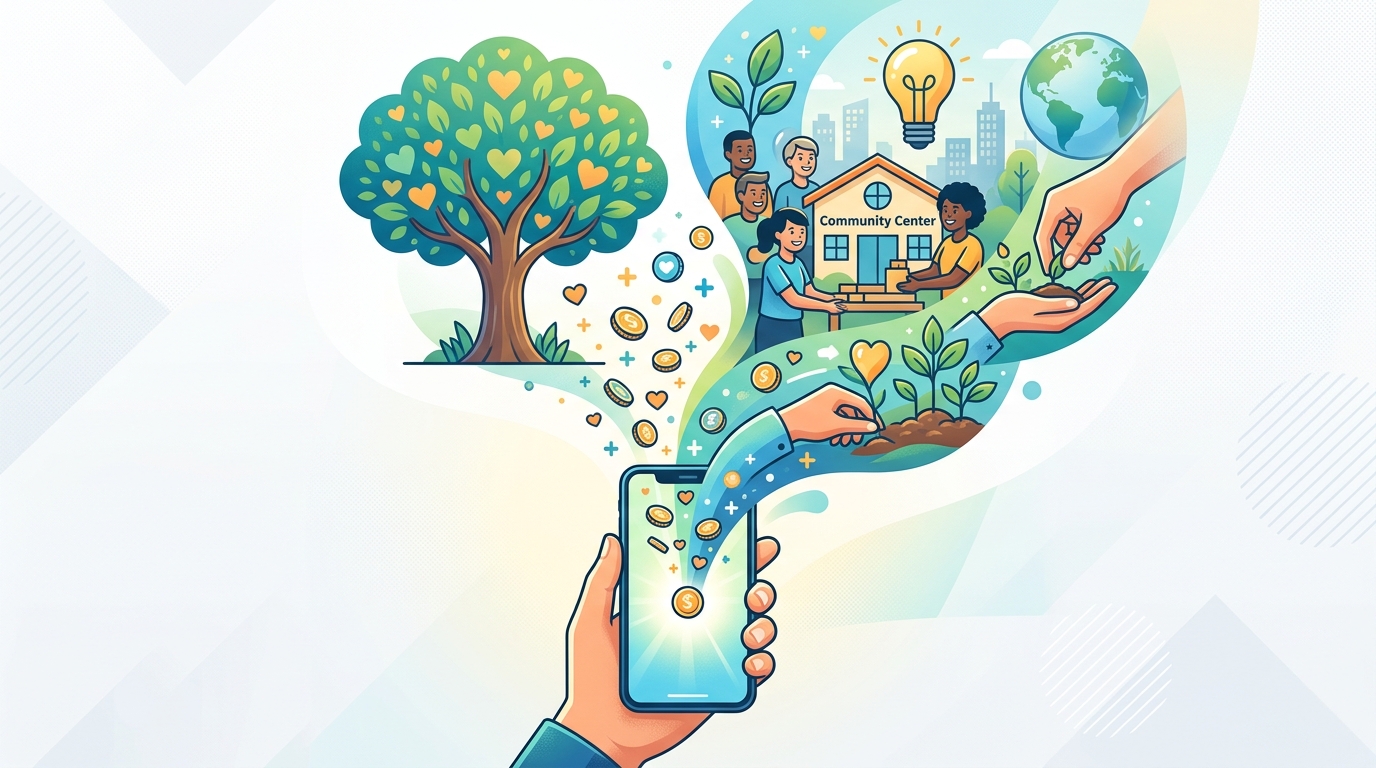
You have three dollars sitting in your digital wallet. Not enough for coffee. Barely a snack. But what if those three dollars could provide clean water for a family, fund school supplies for a child, or help shelter an animal in need?
That’s the promise of micro donation apps, and they’re changing how millions of people think about giving.
Micro donation apps let you give small amounts through mobile platforms, making philanthropy accessible to everyone. These apps use round-up features, recurring donations, and transparent tracking to turn spare change into collective impact. With low barriers to entry and engaging features, they’re reshaping charitable giving for younger generations while helping nonprofits build sustainable funding streams through consistent, smaller contributions.
What Makes Micro Donation Apps Different
Traditional charity often feels like a big commitment. Write a check. Attend a gala. Make a pledge you’ll think about all year.
Micro donation apps flip that script entirely.
These platforms let you give amounts as small as fifty cents or a dollar. Some round up your everyday purchases to the nearest dollar and donate the difference. Others let you set up automatic weekly contributions that feel like pocket change.
The magic isn’t in the individual amount. It’s in the frequency and the collective power.
When thousands of people give a dollar each, that’s thousands of dollars. When they do it every week, that’s sustainable funding nonprofits can actually plan around.
Unlike traditional fundraising that relies on major donors and annual campaigns, micro donation platforms create a steady stream of support. They remove the guilt of “not giving enough” and replace it with the satisfaction of consistent action.
How These Apps Actually Work
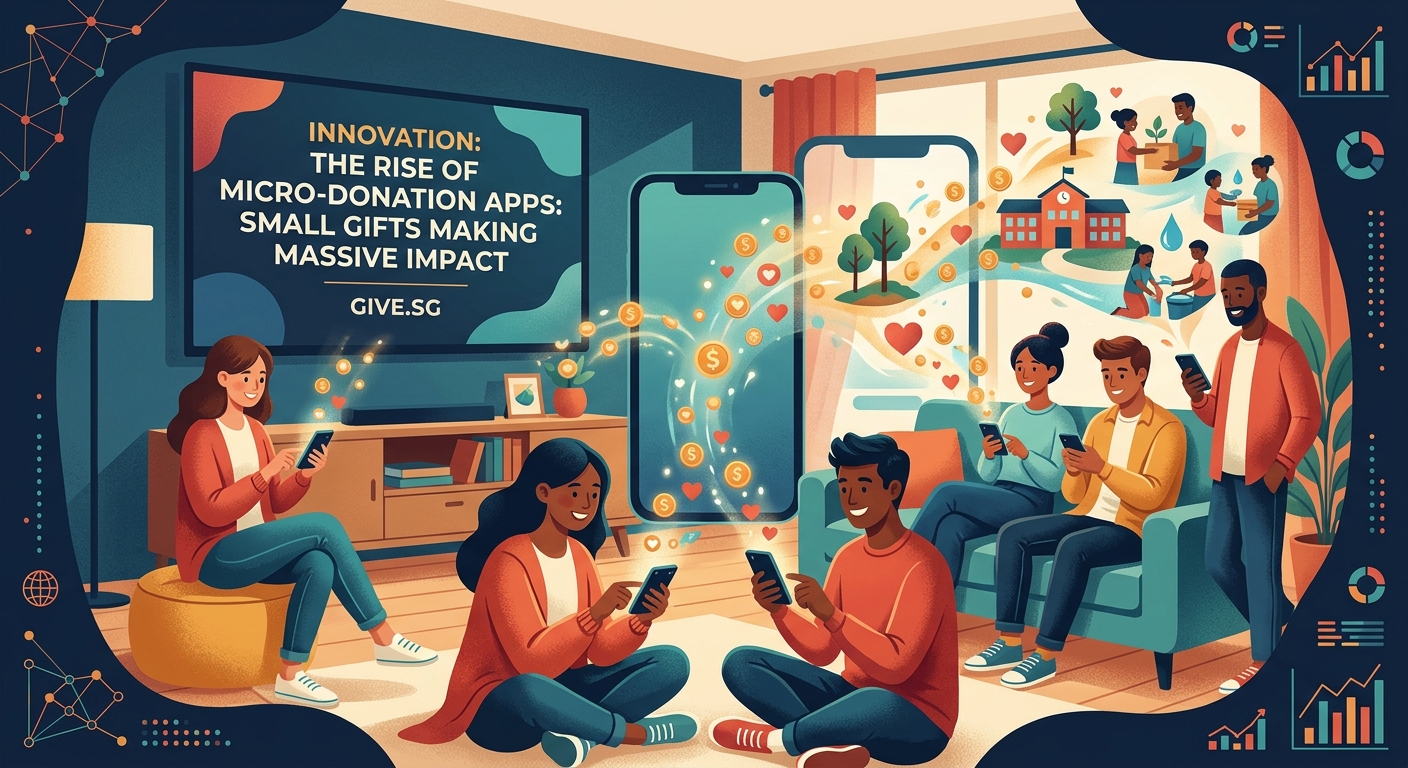
Most micro donation apps follow a similar pattern, though each adds its own twist.
Here’s the typical flow:
- Download the app and create an account linked to your payment method.
- Browse causes, campaigns, or organizations you want to support.
- Choose your giving method (round-ups, recurring donations, or one-time gifts).
- Watch your impact grow through dashboards that show collective results.
- Receive updates about how your contributions are being used.
The round-up feature deserves special attention because it’s become the signature move of this category.
You buy groceries for $47.30. The app rounds it to $48.00 and donates the seventy cents. You grab lunch for $12.85. Another fifteen cents goes to your chosen cause.
These amounts are so small you barely notice them leaving your account. But over a month, they add up to real contributions without requiring you to think about it.
Some apps let you set multipliers. Round up and multiply by two, five, or ten if you want to increase your impact. Others let you set monthly caps so you stay in control of your budget.
Features That Make or Break a Donation Platform
Not all micro donation apps are created equal. The best ones share certain characteristics that make giving feel natural instead of like another task.
Transparency tops the list. You want to see exactly where your money goes. Apps that show real-time impact metrics, share stories from the field, and provide financial breakdowns build trust. Those that keep you in the dark don’t last long with savvy users.
Low or no fees matter too. Some platforms absorb processing costs. Others ask donors to cover fees voluntarily. A few take a percentage that can eat into small donations significantly. Read the fine print before committing.
Cause variety gives you options. The best apps either specialize deeply in one area (animal welfare, education, environmental causes) or partner with vetted nonprofits across multiple sectors. You should be able to find causes that align with your values.
Social features add engagement. Being able to see friends’ giving, join group challenges, or share milestones makes the experience more interactive. Gamification elements like badges or impact streaks keep you coming back.
Easy management means you’ll stick with it. Changing donation amounts, pausing contributions, or switching causes should take seconds. Complicated interfaces lead to abandoned accounts.
“The beauty of micro-giving is that it removes the psychological barrier of ‘I can’t afford to make a difference.’ When giving becomes as easy as buying a song, philanthropy becomes a daily habit instead of an annual event.” – Nonprofit technology researcher
Popular Apps Reshaping Small-Scale Giving
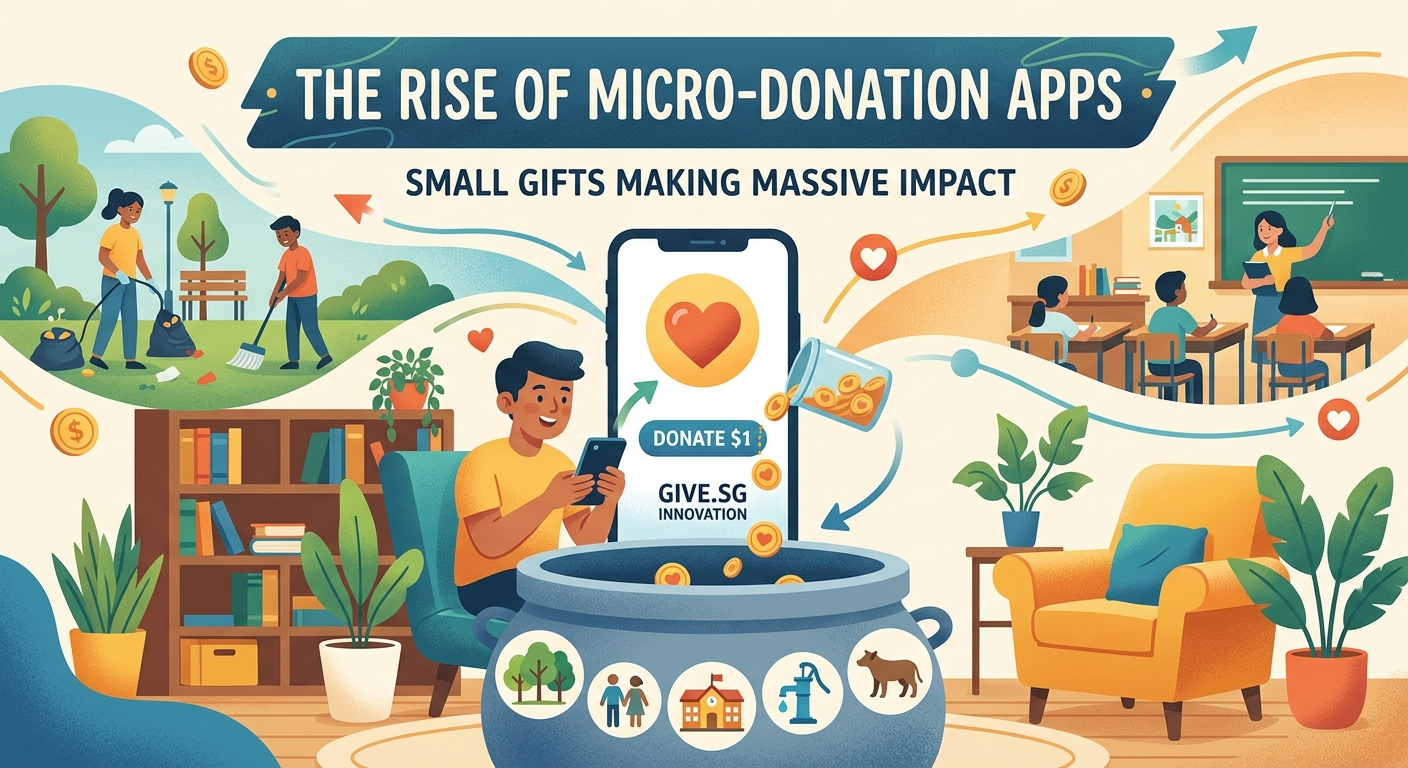
The micro donation space has exploded in recent years. Different apps cater to different giving styles.
Round-up specialists focus entirely on turning spare change into donations. You link your credit or debit cards, and the app does the rest automatically. These work great for people who want to give but don’t want to think about it.
Subscription-style platforms let you commit to small monthly amounts spread across multiple causes. Think of it like a streaming service, but for charity. You might give five dollars monthly that gets divided among five organizations.
Impact-tracking apps emphasize showing you exactly what your money accomplishes. They translate donations into tangible outcomes: meals served, trees planted, vaccines delivered. These appeal to people who want concrete proof their contributions matter.
Community-focused platforms build social networks around giving. You can join giving circles, participate in challenges, or match donations with friends. They turn philanthropy into a shared experience.
Cause-specific apps concentrate on single issues. One might focus exclusively on ocean conservation. Another on literacy programs. These attract passionate supporters who want their entire giving portfolio focused on one area.
Why This Model Works for Young Donors
Millennials and Gen Z have fundamentally different relationships with money and charity than previous generations.
They carry more debt. They face higher living costs. They’re more likely to have irregular income from gig work or freelancing.
Traditional charity asks for commitments these generations can’t always make. A hundred-dollar annual donation feels impossible when you’re paying off student loans and splitting rent three ways.
But three dollars? That’s doable.
Micro donation apps meet young donors where they are financially. They also align with how this demographic already uses technology. Everything happens on phones. Payments are digital. Social proof matters.
These users grew up with app stores and in-app purchases. Giving through an app feels as natural as ordering food or splitting a bill. The friction is gone.
They also demand transparency in ways older generations didn’t. They want to know exactly how organizations spend money. They expect regular updates. They’ll stop giving if they sense waste or dishonesty.
Micro donation platforms that succeed with younger audiences provide this transparency by default. Real-time dashboards, impact stories, and financial breakdowns aren’t extras. They’re requirements.
The Nonprofit Perspective on Small Gifts
Nonprofits initially worried about micro donations. Processing lots of tiny transactions seemed inefficient. The administrative overhead might outweigh the benefit.
But smart organizations realized something important. Micro donors often become major donors.
Someone who starts by giving two dollars weekly has already demonstrated commitment. They’ve taken action. They’ve integrated giving into their routine. They’re far more likely to increase contributions over time than someone who made one large gift and disappeared.
The data backs this up. Recurring micro donors show retention rates significantly higher than one-time donors of any size. They respond better to campaigns. They volunteer more. They advocate for causes on social media.
For nonprofits, this creates predictable revenue. Instead of scrambling for big checks or hoping annual appeals succeed, they can count on steady streams of small contributions.
The trade-off is that organizations need to invest in technology and communication. Micro donors expect frequent updates and easy ways to engage. Nonprofits that treat them like traditional major donors will lose them.
Comparing Approaches and Common Mistakes
| Approach | Best For | Common Mistake |
|---|---|---|
| Round-ups | Passive givers who want automation | Not checking monthly totals and getting surprised |
| Recurring micro gifts | Budget-conscious donors who want control | Setting amounts too high and canceling later |
| One-time micro donations | Cause-specific or campaign-driven giving | Forgetting to give regularly, reducing impact |
| Social giving circles | People motivated by community | Feeling pressured to give beyond comfort levels |
| Impact-tracked donations | Data-driven donors wanting proof | Obsessing over metrics instead of consistent giving |
The biggest mistake new micro donors make is overthinking it.
They spend hours researching the “perfect” amount or the “best” cause. They worry their contribution is too small to matter. They wait for the right moment to start.
Just start. Pick an amount that won’t stress your budget. Choose a cause you care about. Adjust as you go.
The second biggest mistake is setting and forgetting without checking in. Apps make giving so easy you might not notice when your financial situation changes. Review your donations quarterly. Make sure they still fit your budget and values.
For nonprofits, the common error is treating micro donors as less important than major gift prospects. Every donor deserves acknowledgment and engagement. The person giving five dollars monthly might be building toward much larger contributions.
Building Your Personal Giving Strategy
You don’t need a complex plan to start giving through apps. But a little structure helps you maximize impact without overextending yourself.
Start by auditing your current giving. How much do you donate annually? To how many organizations? Is it planned or reactive?
Next, set a realistic micro donation budget. Look at your monthly discretionary spending. What amount could you commit without feeling it? For some people, that’s five dollars monthly. For others, it’s fifty.
Choose your method based on your personality:
- Passive types do well with round-ups that require no ongoing decisions
- Planners prefer setting specific recurring amounts they can track
- Spontaneous givers might like apps that let them respond to timely campaigns
- Social butterflies thrive in community giving platforms with friend features
Diversify across causes if that matters to you, or concentrate everything on one issue. Neither approach is wrong. Some people want to support education, environment, and health. Others believe in going deep on one cause.
Set calendar reminders to review your giving quarterly. Are you still passionate about these causes? Has your financial situation changed? Do you want to increase or adjust your contributions?
Technical Considerations and Security
Giving through apps means trusting them with your financial information and your charitable intentions.
Look for platforms that use bank-level encryption. Your payment details should never be stored in plain text. Two-factor authentication should be available, if not required.
Check whether the app is registered as a nonprofit itself or operates as a technology platform connecting you to registered charities. This affects tax deductibility and transparency.
Read privacy policies. Some apps sell anonymized data about giving patterns. Others keep everything confidential. Decide what you’re comfortable with.
Understand the payment flow. Does your donation go directly to the nonprofit, or does it pool with others first? How long does it take to reach the organization? What happens if the app shuts down?
For tax purposes, keep records of all donations. Most apps provide annual summaries, but don’t rely solely on them. Download statements regularly.
Be wary of apps that:
- Don’t clearly disclose fees
- Can’t provide proof of nonprofit partnerships
- Have no customer service contact information
- Show inconsistent or vague impact reporting
- Pressure you to give more through aggressive notifications
Making Small Gifts Add Up to Big Change
The psychological shift micro donation apps create matters as much as the money they raise.
They transform giving from an occasional event into a lifestyle habit. Instead of writing one check during the holidays, you’re contributing year-round. That changes how you see yourself. You’re not someone who gave once. You’re a giver.
This identity shift influences other behaviors. Micro donors often become more conscious consumers. They research companies’ social practices. They volunteer more. They talk about causes with friends and family.
The apps also democratize philanthropy. You don’t need wealth to make a difference. You don’t need to wait until you’re “successful enough” to give back. You can start today with whatever you have.
For causes that struggle to attract traditional funding, micro donation platforms open new possibilities. Smaller nonprofits without gala budgets or major gift officers can reach thousands of small donors directly.
The collective power becomes undeniable when you see the numbers. An app with 100,000 users each giving two dollars weekly raises over ten million dollars annually. That’s real money funding real programs.
Choosing the Right Platform for Your Values
With dozens of micro donation apps available, picking one can feel overwhelming.
Start with cause alignment. If you’re passionate about animals, look for apps specializing in animal welfare or featuring strong animal charity partnerships. Environmental focus? Find platforms emphasizing climate and conservation causes.
Evaluate the user experience. Download a few apps and test them. Which interface feels intuitive? Which one makes you want to engage regularly? The best app is the one you’ll actually use.
Research the organizations behind the apps. Who founded it and why? What’s their track record? How long have they been operating? New isn’t bad, but established platforms have proven staying power.
Look at nonprofit partnerships. Do they work with organizations you recognize and trust? Can you verify those nonprofits are legitimate? Are there options to support local causes or only national and international ones?
Consider the community features. Do you want to give alone or connect with other donors? Some people find social elements motivating. Others find them annoying.
Test the flexibility. Can you easily change donation amounts? Pause contributions during tight months? Switch causes without hassle? The right app grows with you as your interests and circumstances evolve.
When Micro Donations Make the Most Sense
These apps aren’t the perfect solution for everyone or every situation.
They work beautifully for people who:
- Want to start giving but feel overwhelmed by traditional charity
- Have irregular income that makes large commitments difficult
- Already use mobile payment apps for everything else
- Value transparency and want to see exactly where money goes
- Prefer consistent small actions over occasional big gestures
- Are motivated by community and social proof
They’re less ideal for people who:
- Prefer making larger, less frequent donations for tax optimization
- Don’t use smartphones or feel uncomfortable with app-based finance
- Want deep relationships with single organizations
- Have concerns about transaction fees eating into small donations
- Prefer anonymous giving without digital records
Neither approach is superior. They serve different needs and preferences.
Some donors use both strategies. They might maintain traditional relationships with a few key organizations while using apps to support causes they care about but can’t commit to as deeply.
The key is finding what works for your financial situation, values, and giving style.
The Future of Accessible Philanthropy
Micro donation apps represent just the beginning of technology-enabled giving.
Emerging features include cryptocurrency donations, allowing people to give volatile assets during high-value periods. AI-powered matching suggests causes based on your interests and giving history. Blockchain tracking provides unprecedented transparency about exactly how organizations spend funds.
Some platforms are experimenting with impact investing hybrids, where your contributions generate returns that get reinvested in causes. Others are building in volunteer matching, connecting your donations with opportunities to give time.
The trend toward smaller, more frequent giving isn’t going away. As younger generations gain more economic power, they’ll demand giving tools that match how they live. Mobile-first. Transparent. Social. Immediate.
Nonprofits are adapting their entire fundraising strategies around this shift. They’re investing in technology to accept and manage micro donations efficiently. They’re creating content specifically for app-based donors. They’re rethinking what donor relationships look like when thousands of people give tiny amounts instead of hundreds giving large sums.
The democratization of giving benefits everyone. More people participate in philanthropy. More causes get funded. More communities receive support.
Your Spare Change Can Change Everything
The beauty of micro donation apps lies in their simplicity.
You don’t need to attend fundraising dinners. You don’t need to write big checks. You don’t need to wait until you have “enough” to make a difference.
You just need to start.
Download an app that resonates with your values. Set up a small recurring donation or enable round-ups. Watch how those tiny contributions accumulate into real impact over weeks and months.
The coffee you skip once doesn’t change your life. But that same three dollars might change someone else’s day, week, or future. Multiply that by thousands of people making similar choices, and you’re part of something genuinely transformative.
Give what you can, when you can, through tools that make it effortless. That’s the promise of micro donation apps, and it’s already changing how millions of people think about generosity, one small gift at a time.