 By chloe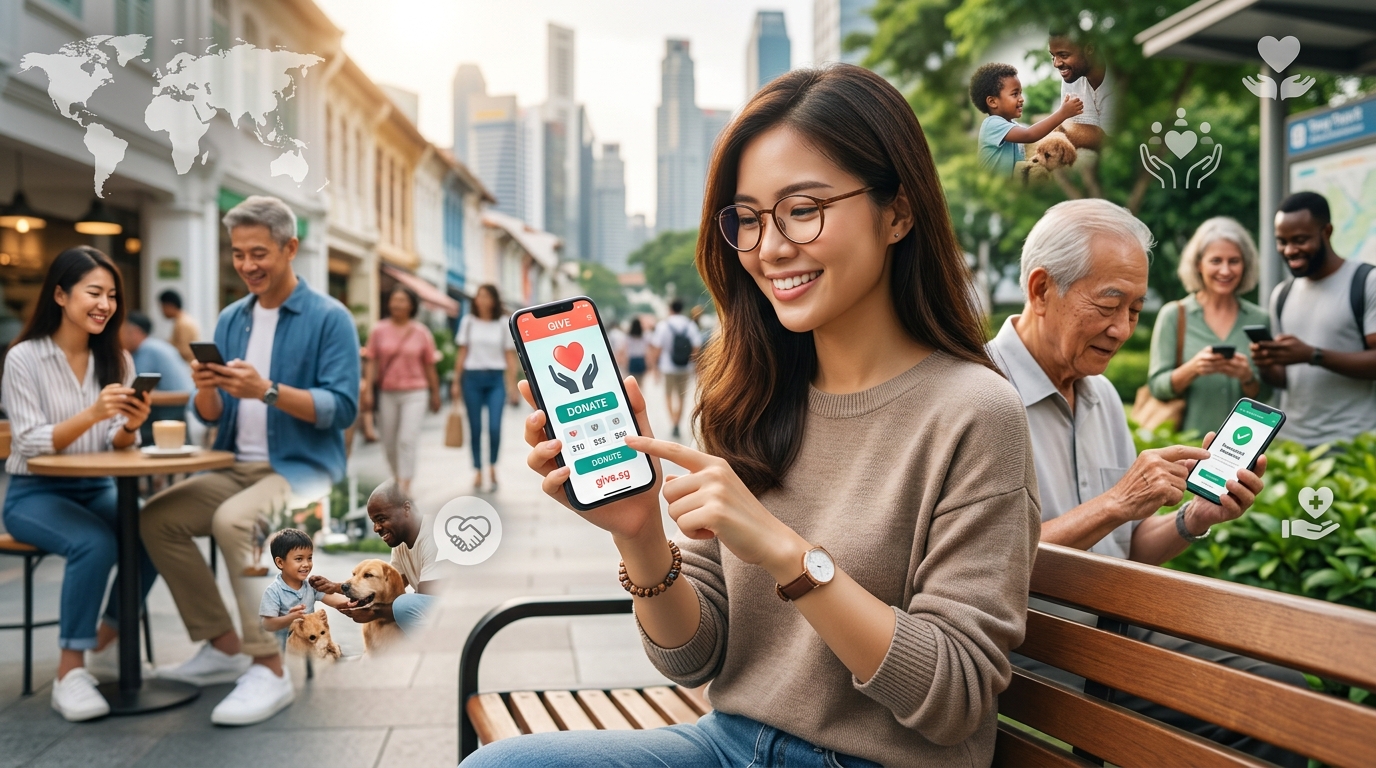
Charitable giving used to mean writing checks, mailing envelopes, and waiting weeks for confirmation. Now, donors can support causes in seconds from their phones while standing in line for coffee. This shift isn’t just convenient. It’s fundamentally changing who gives, how much they give, and how often they contribute to causes they care about.
Mobile donation apps have transformed charitable giving by removing barriers to entry, enabling instant contributions, and providing real-time impact tracking. These platforms increase donor retention, attract younger supporters, and help nonprofits reach global audiences. Understanding how these apps work and which features matter most helps organizations maximize their fundraising potential while giving donors greater control over their philanthropic impact.
Why mobile technology matters for charitable organizations
The numbers tell a compelling story. Over 60% of online donations now happen on mobile devices. That percentage climbs even higher among donors under 40. Nonprofits that optimize for mobile giving see donation rates increase by 30% or more compared to desktop-only experiences.
Mobile apps remove friction from the giving process. Donors no longer need to find their wallets, enter long card numbers, or navigate clunky desktop forms. Instead, they tap a few buttons and complete their donation in under 30 seconds.
This speed matters more than you might think. Studies show that donation completion rates drop by 15% for every additional field in a form. Mobile apps solve this by storing payment information, remembering donor preferences, and enabling one-tap giving for repeat contributions.
The accessibility extends beyond convenience. Mobile apps reach donors wherever they are: at home, at work, or traveling abroad. A compelling story shared on social media can inspire immediate action. A disaster halfway around the world can mobilize support within hours instead of days.
Core features that make donation apps effective
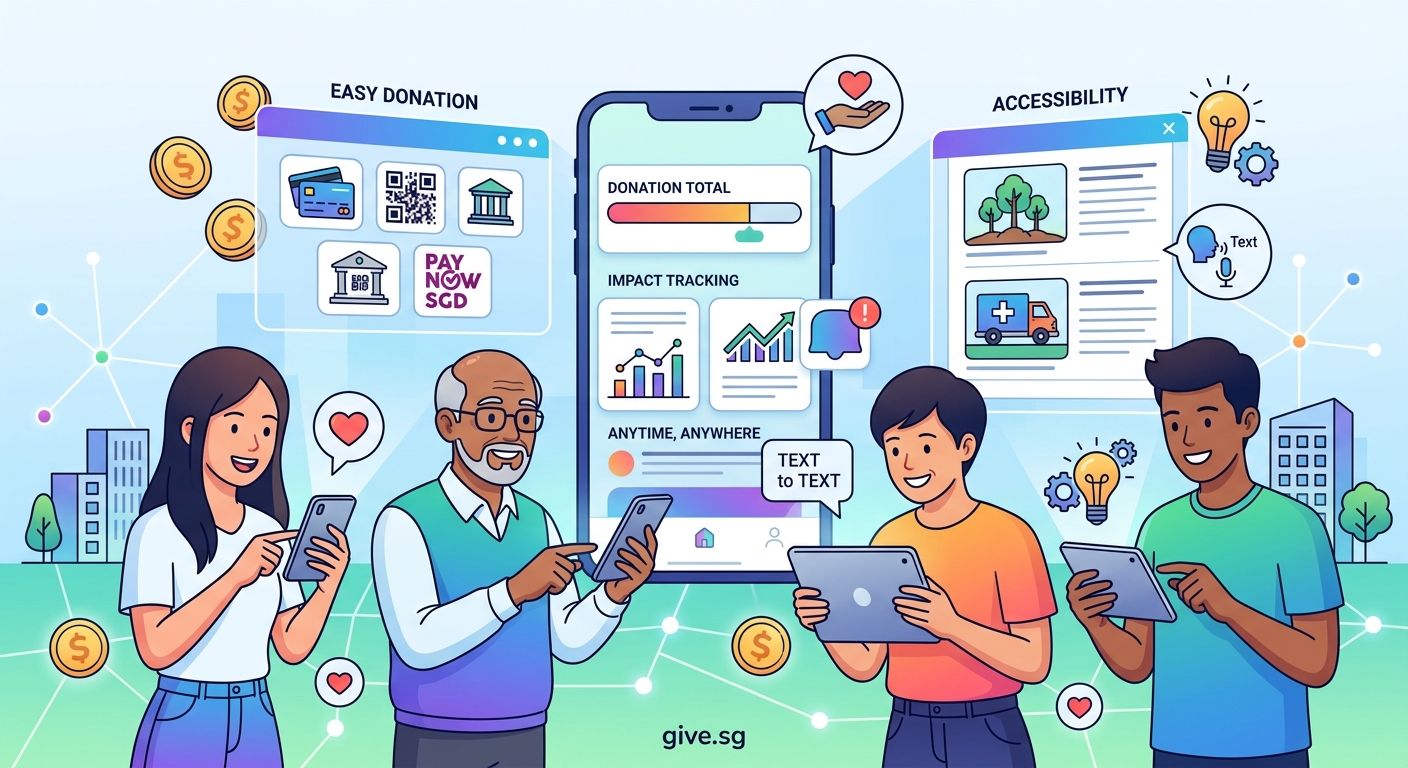
Not all mobile giving platforms perform equally. The best apps share several characteristics that drive both donor satisfaction and nonprofit success.
Seamless payment processing sits at the foundation. Apps must accept multiple payment methods: credit cards, debit cards, digital wallets like Apple Pay and Google Pay, and even cryptocurrency in some cases. The fewer taps required, the better.
Recurring donation options turn one-time givers into sustained supporters. Monthly giving programs generate predictable revenue streams that help nonprofits plan long-term initiatives. Apps make setting up recurring gifts effortless, often requiring just a single toggle during checkout.
Impact tracking and transparency build trust. Donors want to see where their money goes and what it accomplishes. The strongest apps provide real-time updates, photo documentation, and measurable outcomes tied directly to contributions.
Social sharing capabilities amplify reach. When donors can share their giving activity with friends and family, they create peer influence that drives additional donations. Apps that integrate smoothly with social platforms generate 40% more referral traffic than those without sharing features.
Personalization engines tailor the experience to individual preferences. Machine learning algorithms can suggest causes based on past giving history, highlight campaigns likely to resonate with specific donors, and send timely notifications about urgent needs.
Here’s how different app features impact donor behavior:
| Feature | Donor Benefit | Nonprofit Benefit | Common Mistake |
|---|---|---|---|
| One-tap giving | Completes donation in under 30 seconds | Increases conversion rates by 25% | Requiring account creation before first gift |
| Recurring options | Sets and forgets monthly support | Improves retention by 45% | Hiding monthly option below fold |
| Impact dashboards | Sees exactly where money goes | Builds trust and repeat giving | Updating too infrequently |
| Social integration | Shares giving with network | Acquires new donors through referrals | Forcing shares instead of encouraging |
| Push notifications | Gets timely updates on causes | Re-engages lapsed donors | Sending too many alerts |
How nonprofits benefit from mobile giving platforms
Organizations that adopt mobile donation technology see measurable improvements across multiple metrics. The benefits extend far beyond simply processing payments.
Donor acquisition costs drop significantly. Traditional fundraising methods like direct mail cost $1.25 to acquire each dollar donated. Mobile apps reduce that ratio to as low as $0.15 per dollar. The efficiency comes from lower overhead, automated processes, and viral sharing potential.
Administrative burden decreases. Manual data entry, check processing, and reconciliation tasks consume hours of staff time. Apps automate these workflows, freeing team members to focus on mission-critical activities instead of paperwork.
Data insights improve decision-making. Modern apps provide detailed analytics about donor behavior, campaign performance, and giving trends. Nonprofits can identify which messages resonate, which times of day generate the most donations, and which donor segments offer the greatest growth potential.
Global reach expands overnight. Geographic boundaries disappear when your donation platform lives in someone’s pocket. A small local charity can suddenly accept contributions from supporters anywhere in the world, opening entirely new funding streams.
“We saw our average donation size increase by 35% within three months of launching our mobile app. Donors appreciate the transparency features, and the recurring gift option has stabilized our cash flow in ways we never thought possible.” — Director of Development, Environmental Nonprofit
What donors gain from app-based giving
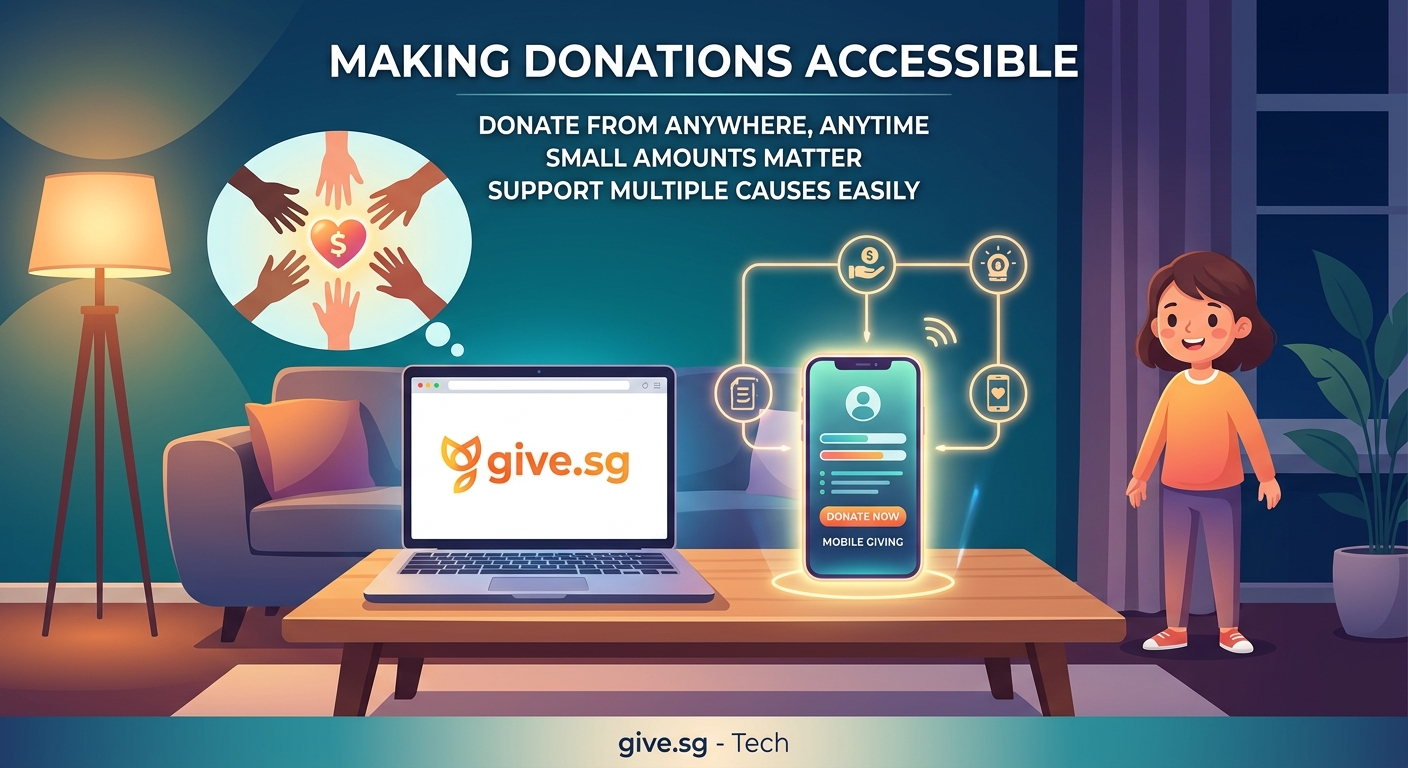
The advantages flow both directions. Donors experience meaningful improvements in how they interact with charitable causes.
Control and flexibility top the list. Donors can give any amount, at any time, to any cause. They can pause recurring donations during tight months and resume when finances improve. They can split contributions across multiple organizations without juggling different websites or payment systems.
Immediate gratification satisfies the psychological need for instant confirmation. Traditional giving methods created delays between decision and action. Apps provide instant receipts, immediate thank-you messages, and often real-time updates about how contributions are being deployed.
Tax documentation becomes automatic. Apps store complete giving histories, generate year-end summaries, and provide detailed records for tax purposes. No more searching through email for scattered receipts or trying to remember which organizations received support.
Discovery mechanisms help donors find new causes aligned with their values. Recommendation engines, curated collections, and trending campaigns introduce supporters to organizations they might never have encountered otherwise.
The emotional connection strengthens too. Apps that share stories, photos, and videos from the field create visceral bonds between donors and beneficiaries. This storytelling transforms abstract statistics into human experiences that motivate continued support.
Steps to implement mobile giving successfully
Nonprofits ready to adopt mobile donation technology should follow a structured approach:
-
Assess your current donor base and their technology preferences. Survey existing supporters about their mobile habits, preferred payment methods, and desired features. This research prevents investing in capabilities your audience won’t use.
-
Choose a platform that matches your organizational size and needs. Small grassroots organizations need different tools than established institutions with millions in annual revenue. Evaluate options based on transaction fees, feature sets, integration capabilities, and customer support quality.
-
Integrate with existing systems. Your mobile app should connect seamlessly with donor databases, accounting software, and email marketing platforms. Manual data transfer between systems creates errors and wastes time.
-
Train staff and volunteers on the new tools. Even the best technology fails without proper adoption. Invest in comprehensive training so everyone can answer donor questions, troubleshoot issues, and maximize platform capabilities.
-
Launch with a compelling campaign. Introduce your mobile giving option alongside a specific fundraising initiative that demonstrates the platform’s value. Use the campaign to collect feedback and identify areas for improvement.
-
Monitor performance metrics and iterate. Track conversion rates, average donation sizes, donor retention, and user feedback. Use this data to refine your approach, test new features, and optimize the experience.
Common challenges and practical solutions
Mobile giving isn’t without obstacles. Understanding potential pitfalls helps organizations avoid them.
Security concerns worry both donors and nonprofits. People hesitate to enter payment information on mobile devices, fearing data breaches or fraud. Combat this by choosing platforms with robust encryption, PCI compliance certification, and transparent security practices. Display trust badges prominently and communicate your security measures clearly.
Technical barriers affect older donors less comfortable with smartphones. Maintain traditional giving channels alongside mobile options. Provide clear instructions, video tutorials, and phone support for those who need assistance navigating the app.
App fatigue is real. Donors already have dozens of apps on their phones and resist downloading more. Consider mobile-optimized web experiences that deliver app-like functionality without requiring installation. Progressive web apps offer a middle ground that works across devices.
Feature overload confuses users. Apps packed with excessive options overwhelm donors and reduce completion rates. Prioritize simplicity. The donation flow should require minimal taps and present only essential choices.
Notification management requires delicate balance. Too many push notifications annoy donors and trigger uninstalls. Too few means missed engagement opportunities. Let users control notification frequency and types, and respect those preferences religiously.
Platform options worth considering
The mobile giving landscape includes several strong contenders, each with distinct strengths:
All-in-one nonprofit management platforms combine donation processing with volunteer coordination, event management, and communication tools. These work well for organizations wanting unified systems but may include features you don’t need.
Specialized giving apps focus exclusively on donation processing and donor engagement. They typically offer deeper fundraising capabilities, more sophisticated analytics, and better optimization for conversion.
Payment processor extensions let organizations add mobile giving to existing websites through plugins or widgets. This approach costs less but provides fewer native app benefits.
Peer-to-peer fundraising platforms empower supporters to create personal campaigns on behalf of causes. These excel at grassroots mobilization and viral growth but require active community management.
The right choice depends on your specific situation:
- Small organizations with limited budgets often start with payment processor extensions
- Mid-size nonprofits typically benefit most from specialized giving apps
- Large institutions may need all-in-one platforms that integrate multiple departments
- Campaigns focused on grassroots movements should consider peer-to-peer tools
Measuring success and optimizing performance
Implementing a mobile donation app is just the beginning. Ongoing optimization drives sustained results.
Track these key metrics to understand performance:
- Conversion rate (visitors who complete donations)
- Average donation amount
- Donor retention rate (percentage who give again)
- Monthly recurring donor growth
- Mobile vs. desktop donation ratio
- Time to complete donation
- Cart abandonment rate
Run A/B tests on critical elements. Test different donation amounts, button colors, image choices, and messaging approaches. Small changes often produce surprising results. One nonprofit increased conversions by 22% simply by changing their default donation amount from $25 to $35.
Gather qualitative feedback through surveys and interviews. Numbers reveal what’s happening but not why. Direct conversations with donors uncover frustrations, desires, and opportunities that data alone might miss.
Benchmark against industry standards to contextualize your results. If your conversion rate sits at 8% but the industry average is 12%, you know improvement is possible. If you’re exceeding norms, you can confidently share your approach with peer organizations.
Future developments shaping mobile giving
The technology continues advancing rapidly. Several emerging trends will influence how mobile donation apps function in coming years.
Cryptocurrency integration is expanding beyond early adopters. Younger donors increasingly hold digital assets and want options to donate Bitcoin, Ethereum, and other cryptocurrencies. Apps that accept crypto donations tap into new wealth sources while appealing to tech-forward supporters.
Voice-activated giving through smart speakers and voice assistants removes even the friction of tapping a screen. Donors can say “donate $50 to disaster relief” and complete the transaction through voice commands alone.
Augmented reality experiences let donors virtually visit project sites, see their impact in immersive ways, and connect emotionally with causes before contributing. These rich media experiences drive larger gifts and stronger commitment.
Blockchain transparency provides immutable records of how donations flow from giver to recipient. This technology addresses trust concerns by creating verifiable trails that donors can audit independently.
Artificial intelligence will increasingly personalize every aspect of the giving experience, from suggesting optimal donation amounts to predicting when donors are most likely to contribute.
Building donor relationships beyond transactions
The most successful mobile giving strategies recognize that apps are relationship tools, not just payment processors. Technology should strengthen human connections, not replace them.
Stewardship through mobile channels keeps donors engaged between contributions. Share updates, celebrate milestones, and acknowledge supporter contributions through app notifications and in-app content.
Community features let donors connect with each other, share experiences, and build collective identity around causes. Discussion forums, activity feeds, and collaborative campaigns transform individual givers into communities of supporters.
Volunteer integration links financial support with hands-on involvement. Apps that combine donation capabilities with volunteer opportunity listings, event registration, and hour tracking create multiple engagement pathways.
Feedback loops invite donors into organizational decisions. Polls, surveys, and voting features give supporters voice in how their contributions get used, deepening investment in outcomes.
Making mobile giving work for your organization
Mobile donation apps represent more than technological upgrades. They reflect fundamental shifts in how people engage with causes, express values, and create change in the world.
The organizations that thrive will be those that view mobile platforms as enablers of deeper relationships rather than mere transaction channels. Technology removes barriers, but human connection drives sustained support.
Start where you are. You don’t need a perfect system from day one. Choose a platform that fits your current needs and budget. Launch with core features. Learn from donor behavior. Iterate based on feedback. The goal isn’t technological sophistication. It’s making giving so simple, transparent, and meaningful that supporters can’t help but participate.
Your next donor might discover your cause while scrolling through their phone tonight. Make sure you’re ready to accept their contribution, earn their trust, and begin a relationship that creates lasting impact for the causes you both care about.