 By chloe
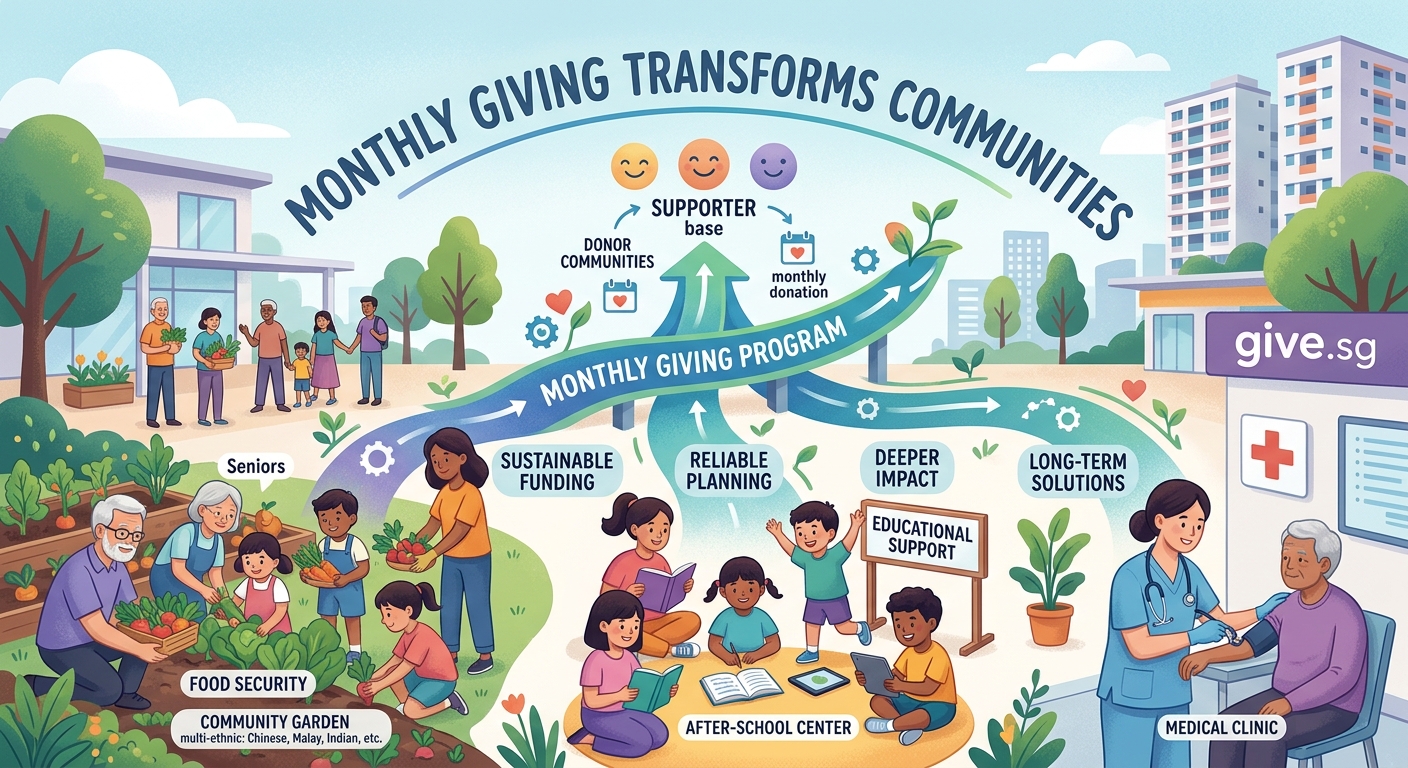
Recurring donations change everything for nonprofits. Instead of scrambling for funds each quarter, you build predictable revenue that lets you plan ahead, hire confidently, and serve communities without constant financial anxiety. Monthly giving programs for charities create this stability while building deeper relationships with supporters who care about long-term impact.
Monthly giving programs transform charity finances by replacing unpredictable one-time donations with steady recurring revenue. Organizations with strong monthly donor bases report 30-50% higher retention rates, lower acquisition costs, and the financial confidence to invest in staff, programs, and infrastructure. Building these programs requires strategic recruitment, personalized communication, and donor-centric stewardship that emphasizes impact over transactions.
Why recurring donations outperform one-time gifts
One-time donors contribute once and disappear. The average retention rate hovers around 20%, meaning 80% never give again. That creates an exhausting cycle where you constantly hunt for new supporters while watching others slip away.
Monthly donors stick around. Retention rates climb to 80-90% for recurring givers who make it past the first three months. They give more over time, too. A supporter who commits $25 monthly contributes $300 annually, far exceeding the typical one-time gift of $50-100.
The psychology matters here. Setting up a recurring donation requires intentional commitment. Donors think harder about their choice, research your work more thoroughly, and feel genuine ownership of your mission. They become partners, not just checkwriters.
Budget predictability transforms operations. When you know $15,000 arrives monthly from 500 recurring donors, you can hire that case manager, sign a lease, or commit to multi-year programs. One-time gifts fund projects. Monthly gifts fund organizations.
Setting up your first monthly giving program
Start with clear naming. Generic labels like “Monthly Giving Club” bore people. Names should spark emotion and connection. “Circle of Hope,” “Steady Hands,” or mission-specific options like “Clean Water Champions” work better because they create identity and belonging.
Your ask amounts need strategic thinking. Offer three to five tiers that feel accessible:
- $15/month: Covers basic needs like meals or supplies
- $35/month: Funds specific program elements
- $75/month: Supports comprehensive services
- $150/month: Creates transformational impact
Always frame amounts in terms of impact, not organizational need. “Your $35 monthly gift provides tutoring materials for three students” beats “Help us cover operating costs.”
The sign-up process must be frictionless. Every extra click loses donors. Use these steps:
- Feature monthly giving prominently on your donation page with a toggle or checkbox
- Pre-select the monthly option if research shows your audience prefers it
- Accept all major payment methods plus digital wallets
- Offer bank transfers for larger recurring commitments
- Send immediate confirmation with clear details about when charges occur
Technology choices matter less than you think. Most fundraising platforms handle recurring billing. Focus on donor experience over fancy features. Can someone set up a monthly gift in under 90 seconds on mobile? That matters more than sophisticated dashboards.
Recruiting your first 100 monthly donors
Your current supporters convert easiest. They already trust you. Send targeted appeals to donors who gave multiple times in the past year. Their behavior shows commitment. Monthly giving simply formalizes what they already do.
Email sequences work better than single blasts. Try this three-email approach:
Email 1: Introduce monthly giving with an emotional story showing sustained impact. Focus on transformation that happens over time, not single moments.
Email 2: Address objections. People worry about losing control or forgetting the commitment. Reassure them they can adjust or cancel anytime. Share testimonials from current monthly donors explaining why they chose this path.
Email 3: Create urgency with a specific goal. “We’re building our founding circle of 100 monthly donors by month-end” gives people a reason to act now instead of later.
Direct conversations convert at higher rates than digital appeals. Board members, volunteers, and staff should personally invite supporters they know well. A phone call from someone trusted beats any email campaign.
“Our monthly giving program took off when we stopped treating it as a fundraising tactic and started framing it as a community. People don’t want to be donors. They want to be changemakers.” — Development Director, youth education nonprofit
Event attendees show high conversion potential. Someone who volunteers time or attends your gala already cares deeply. Have a staff member or volunteer approach them with a simple pitch: “You clearly care about this work. Would you consider supporting it monthly so we can plan ahead?”
Keeping monthly donors engaged and giving
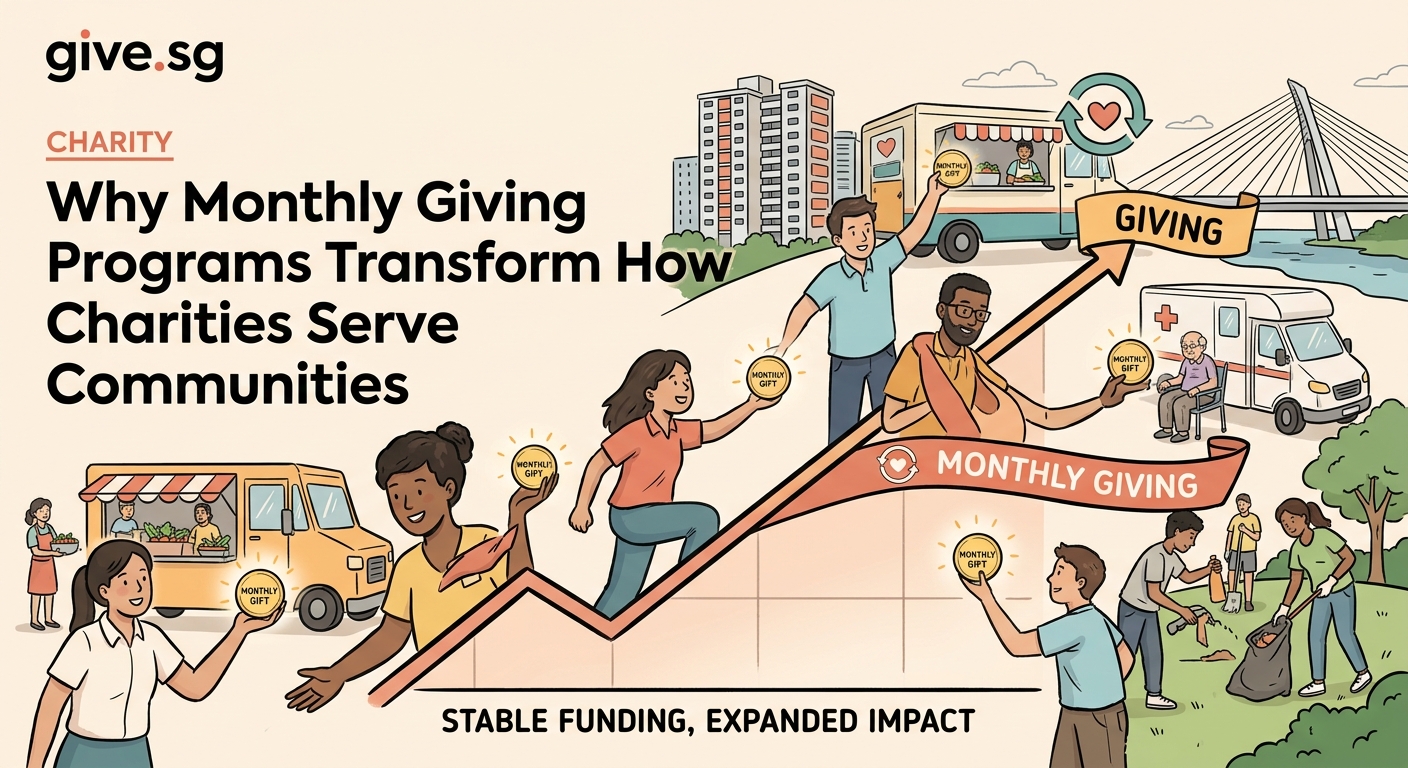
The first 90 days determine everything. Donors who stay past three months typically continue for years. Focus your energy here.
Send a special welcome series:
- Day 1: Confirmation email with gratitude and clear next-charge date
- Week 2: Behind-the-scenes content showing how monthly support enables planning
- Month 2: First impact report with specific outcomes their giving enables
- Month 3: Personal thank-you video or call from leadership or someone served
Regular communication maintains connection without overwhelming. Monthly donors should hear from you at least quarterly, but not more than monthly unless they opt in for more. Balance impact stories, financial transparency, and community updates.
Make them feel special. Monthly donors deserve recognition beyond what one-time givers receive. Create exclusive benefits:
- Early access to annual reports or program updates
- Invitations to special events or virtual meetups
- Direct access to leadership through Q&A sessions
- Branded thank-you gifts after 12 months
Failed payments kill programs. Credit cards expire, bank accounts close, and transactions decline for countless reasons. Set up automated recovery:
- Send immediate friendly reminder when payment fails
- Follow up three days later with alternative payment options
- Make a personal phone call after a week if still unresolved
- Offer a pause option rather than cancellation for financial hardship
Never make donors feel guilty about payment issues. Life happens. Your job is making it easy to resolve problems and continue supporting your mission.
Common mistakes that sabotage monthly giving programs
Treating monthly donors like everyone else wastes their potential. They deserve differentiated communication that acknowledges their special commitment. Sending identical appeals to monthly and one-time donors signals you don’t notice or value the difference.
Asking monthly donors for additional gifts requires careful timing. Some organizations never make extra asks, viewing the monthly commitment as sacred. Others ask only during major campaigns or emergencies. Test what your community prefers, but default to respecting their existing commitment.
Neglecting to upgrade donors leaves money on the table. After 12-18 months, approach long-term monthly donors about increasing their gift. Frame it around expanded impact, not organizational need. “Your $25 monthly gift has provided 300 meals this year. Would you consider $35 monthly to include nutrition education too?”
Here’s how different approaches affect donor retention:
| Strategy | First-Year Retention | Three-Year Retention | Average Lifetime Value |
|---|---|---|---|
| Generic monthly program | 45% | 25% | $850 |
| Named community with benefits | 68% | 52% | $2,100 |
| Personalized stewardship | 82% | 71% | $4,300 |
| Upgrade path included | 79% | 68% | $5,800 |
Poor payment processing creates unnecessary friction. Choose platforms with smart retry logic, automatic card updating services, and simple donor portals where people manage their own information. Every manual step you require increases cancellation risk.
Forgetting to say thank you sounds obvious but happens constantly. Monthly donors should receive gratitude at least twice yearly beyond automated receipts. A handwritten note, personal call, or video message reminds them their consistency matters.
Measuring what actually matters
Vanity metrics mislead. Total number of monthly donors means little without context. Focus on these instead:
Monthly recurring revenue (MRR): Your total monthly income from recurring gifts. This number should grow steadily month over month.
Average gift size: Track this over time. Successful programs see this increase as donors upgrade and new supporters join at higher levels.
Churn rate: The percentage of monthly donors who cancel each month. Healthy programs keep this under 5%. Above 10% signals serious problems.
Donor lifetime value: Calculate how much the average monthly donor contributes over their entire giving relationship. This helps determine appropriate acquisition costs.
Set realistic growth targets. Expecting 50 new monthly donors monthly when you have 100 total supporters is unrealistic. Aim for 10-15% quarterly growth in early stages, then 5-8% as you mature.
Benchmark against yourself, not others. Your community, mission, and capacity differ from other organizations. Track your own improvement rather than comparing to published industry averages that may not reflect your reality.
Survey your monthly donors annually. Ask what they value, what they’d change, and why they continue giving. This feedback guides program improvements better than any external advice.
Scaling from 100 to 1,000 monthly donors
Growth requires systems, not just effort. What worked to recruit your first 100 donors won’t scale to 1,000. You need repeatable processes that don’t depend on individual heroics.
Segment your donor base for targeted communication. New monthly donors need different messages than three-year veterans. Major monthly givers deserve more personal attention than $10/month supporters. Not because small gifts matter less, but because you have limited capacity.
Build a conversion funnel that moves people from awareness to commitment:
- Top of funnel: Educational content about your cause and impact
- Middle of funnel: Stories showing sustained transformation over time
- Bottom of funnel: Clear invitation to join monthly giving community
- Post-conversion: Onboarding sequence and ongoing stewardship
Peer-to-peer recruitment multiplies your reach. Empower current monthly donors to invite friends. Provide them with simple tools: a personal fundraising page, sample social posts, and talking points. Offer small incentives like additional impact reports or special recognition for successful referrals.
Legacy giving becomes relevant as your monthly donor base matures. Long-term monthly supporters often include charities in their estate plans. Start conversations about legacy giving after donors reach their second or third anniversary as monthly givers.
Invest in automation thoughtfully. Technology should enhance relationships, not replace them. Automate routine tasks like payment processing, receipts, and reminder emails. Keep human touches for welcome calls, upgrade conversations, and problem resolution.
Building the community monthly donors crave
People join programs. They stay in communities. The difference determines long-term success.
Create opportunities for connection among monthly donors. Virtual meetups, local gatherings, or online forums let supporters meet others who share their values. These relationships strengthen commitment to your organization.
Share decision-making when appropriate. Invite monthly donors to vote on program priorities, name new initiatives, or provide input on strategic decisions. This builds ownership and investment beyond financial contribution.
Recognize milestones meaningfully. Celebrate donor anniversaries, cumulative impact totals, and community achievements. A simple email acknowledging someone’s three-year giving anniversary with specific outcomes their support enabled creates powerful emotional connection.
Tell stories featuring monthly donors themselves. With permission, share why long-term supporters chose recurring giving and what it means to them. These peer stories recruit new monthly donors more effectively than organizational appeals.
Transparency builds trust. Share both successes and challenges with your monthly donor community. When programs struggle or unexpected obstacles arise, bring monthly donors into the conversation. They’ll often become your strongest advocates and problem-solvers.
Making monthly giving work for small organizations
Limited staff shouldn’t stop you. Monthly giving programs actually reduce workload over time by decreasing constant fundraising pressure and donor acquisition costs.
Start small with simple tools. You don’t need sophisticated software. Most email platforms and basic fundraising tools handle recurring donations. Focus on personal relationships over fancy systems.
Leverage volunteers strategically. Recruit a monthly giving ambassador team from your most committed supporters. They can make peer-to-peer asks, welcome new monthly donors, and help with stewardship calls.
Partner with local businesses for in-kind benefits. Coffee shops, bookstores, or restaurants often provide small perks for your monthly donors at no cost to you. A “monthly donor appreciation day” with 10% off creates community and recognition without budget strain.
Keep benefits simple and sustainable. Elaborate reward programs drain resources. Meaningful recognition matters more than expensive perks. Handwritten thank-you notes, impact updates, and genuine appreciation cost little but mean everything.
Turning monthly giving into organizational transformation
Recurring revenue enables strategic thinking. You can finally plan beyond the next event or grant deadline. This shift from reactive to proactive management changes everything about how you operate.
Hire for growth with confidence. Monthly giving provides the stable income needed to bring on talented staff without fear of sudden budget shortfalls. Better teams deliver better programs and stronger impact.
Invest in infrastructure that compounds. Reliable monthly income lets you upgrade technology, improve facilities, and build systems that increase efficiency. These investments pay dividends for years.
Take smart risks on innovation. Stable funding creates space to test new program models, pilot creative solutions, and learn from experiments without threatening organizational survival.
Build reserves that protect your mission. Financial advisors recommend nonprofits maintain three to six months of operating expenses in reserve. Monthly giving makes this achievable by providing predictable cash flow that allows gradual reserve building.
The compounding effect of monthly giving extends beyond finances. As your recurring donor base grows, so does your community of advocates, volunteers, and champions. These supporters promote your work, recruit others, and defend your mission during challenges.
Your path forward starts with one conversation
Monthly giving programs succeed because they align donor desires with organizational needs. Supporters want meaningful, lasting impact. You need sustainable revenue. Recurring donations deliver both.
Start today by identifying ten current donors who gave multiple times last year. Reach out personally. Share your vision for building a community of monthly supporters. Invite them to become founding members. Their yes or no matters less than starting the conversation and learning what resonates.
Build from there with patience and consistency. Monthly giving programs grow steadily, not explosively. Each new recurring donor strengthens your foundation. Each month of retained support proves your model works. Before long, you’ll wonder how you ever operated without this stability.
The charities thriving five years from now will be those who built recurring donor communities today. Your future self will thank you for taking this step.