 By chloe
When disaster strikes, the urge to help is immediate and powerful. You see images of devastation on your screen and want to do something right now. That instinct is beautiful, but rushing in without a plan can mean your money ends up in the wrong hands or doesn’t create the impact you hoped for.
Effective crisis donations require verification of legitimate organizations, cash contributions over物品, and understanding the difference between immediate relief and long-term recovery. Research charities using trusted databases, avoid emotional appeals from unknown sources, and consider timing your gift when media attention fades but needs remain critical. Your thoughtful approach multiplies impact when communities need it most.
Why Cash Beats Donated Goods Every Time
Relief organizations face a logistical nightmare during emergencies. Storage space vanishes. Transportation networks collapse. Sorting through boxes of random items pulls volunteers away from urgent work.
Cash solves these problems instantly.
Organizations on the ground know exactly what communities need. They have established supply chains and can purchase items locally, which supports the affected economy. A financial gift gives them the flexibility to respond as situations change hour by hour.
Consider what happened after major hurricanes. Warehouses filled with unsolicited clothing donations while families needed tarps, generators, and baby formula. Well-meaning donors created a secondary crisis that required staff time and money to manage.
Here’s what makes monetary donations more effective:
- Organizations buy supplies at bulk rates, stretching your dollar further
- Local purchases create jobs in devastated communities
- No shipping delays or customs complications
- Charities can address invisible needs media doesn’t cover
- Funds adapt to changing circumstances on the ground
The exception? When established organizations specifically request certain items through official channels. Even then, financial support often serves communities better.
Verifying Legitimate Organizations Before You Give
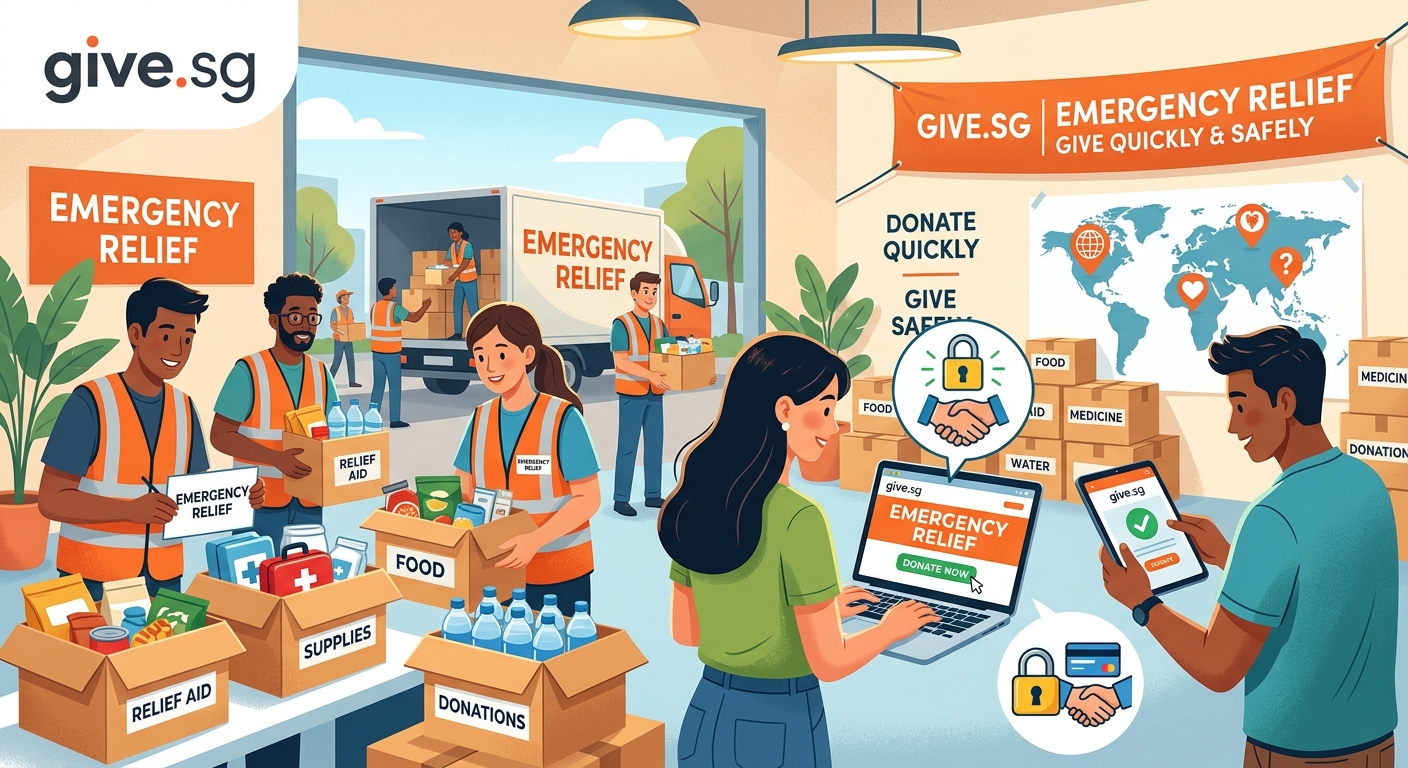
Scammers launch fake charities within hours of disasters. They create websites, social media accounts, and email campaigns designed to steal from generous people.
Your heart wants to give immediately. Your head needs to verify first.
Start with established charity evaluators. These organizations maintain databases of verified nonprofits and rate their financial health, transparency, and effectiveness. Look for charities that spend at least 75% of donations on programs rather than overhead.
Here’s your verification checklist:
- Search the organization’s name plus “scam” or “complaint” in your browser
- Confirm they have proper tax-exempt status with official government databases
- Review their financial statements and annual reports
- Check how long they’ve been operating (brand new groups are risky)
- Verify their physical address and contact information
- Read reviews from multiple sources, not just their own website
“The best time to research charities is before disaster strikes. Build a list of trusted organizations now, so you’re ready when crisis hits and emotions run high.” — Charity evaluation expert
Red flags that signal potential fraud:
- Pressure to donate immediately without time to research
- Requests for cash, gift cards, or wire transfers
- Vague descriptions of how funds will be used
- No verifiable contact information or physical address
- Copycat names that sound like famous charities
- Unsolicited contact through email or social media
Government agencies never call asking for donations. Legitimate charities provide detailed information about their work and welcome questions.
Understanding the Crisis Timeline
Media coverage peaks in the first week after disaster. Donations flood in. Then attention shifts to the next headline.
But recovery takes years.
Communities need different support at different stages. Understanding this timeline helps you decide when and how to give for maximum impact.
| Phase | Timeline | Primary Needs | Best Donation Type |
|---|---|---|---|
| Immediate response | Days 1-7 | Search and rescue, medical care, emergency shelter | Established relief organizations with rapid response teams |
| Short-term relief | Weeks 2-8 | Food, water, temporary housing, basic supplies | General operating funds to flexible organizations |
| Recovery | Months 3-12 | Rebuilding homes, replacing belongings, mental health support | Unrestricted donations to local groups |
| Long-term rebuilding | Years 1-5 | Economic development, infrastructure, community resilience | Sustained giving to regional organizations |
Most donors give during the immediate response phase. Organizations receive more money than they can effectively deploy in those first weeks. Then funding dries up exactly when long-term recovery work begins.
Consider splitting your donation. Give a portion immediately to help with urgent needs. Set aside the rest to donate three, six, or twelve months later when cameras have left but families still need help rebuilding their lives.
Evaluating Crowdfunding Campaigns Carefully
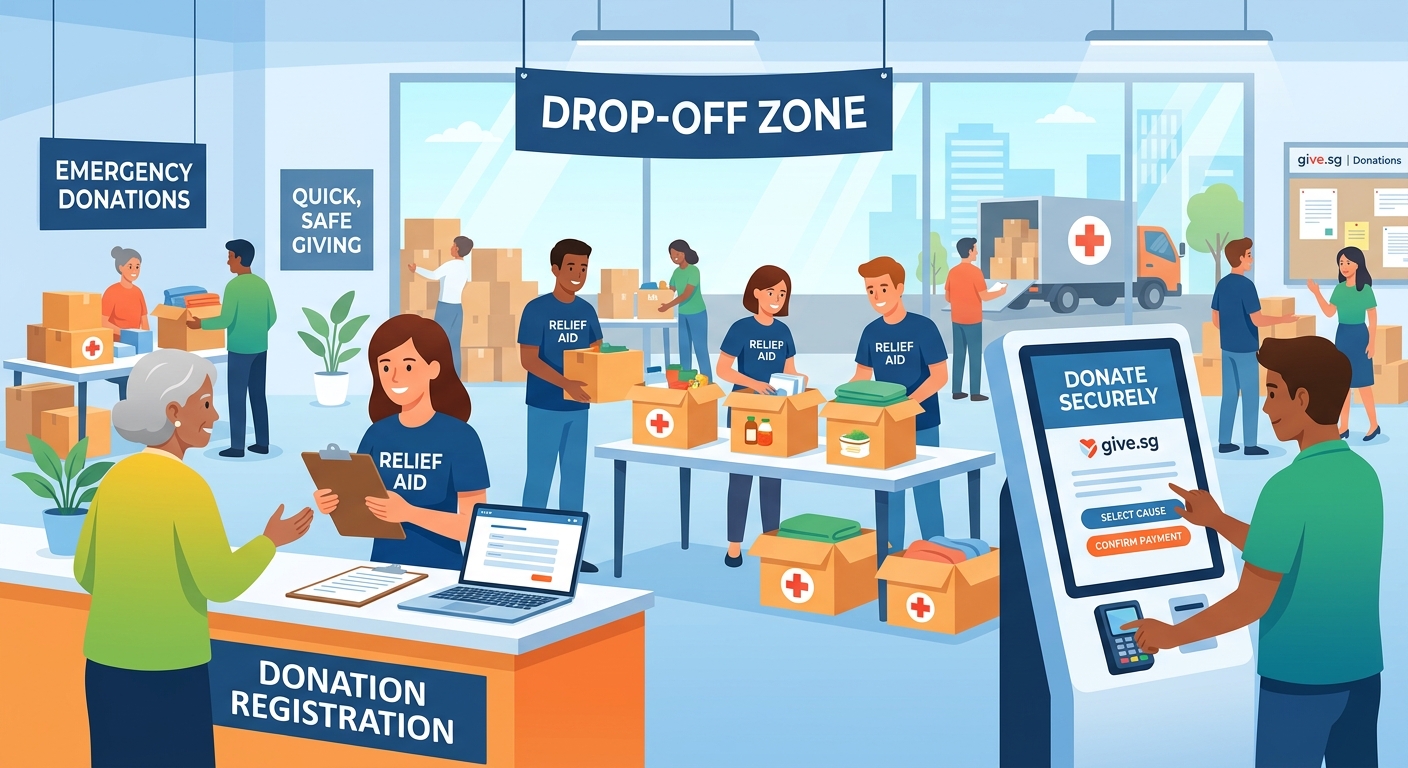
Personal fundraisers appear across social platforms during crises. Someone claims they’re raising money for affected families, displaced pets, or damaged schools.
Some are genuine. Many are not.
Crowdfunding platforms provide less oversight than established charities. Anyone can create a campaign with a compelling story and stock photos. Your money might help someone in need, or it might fund someone’s vacation.
Before donating to individual campaigns:
- Verify the organizer’s identity through their social media history
- Look for connections between the organizer and beneficiaries
- Check if the story appears in legitimate news sources
- See if established local organizations confirm the need
- Review updates showing how previous donations were used
- Search for the same photos used in other unrelated campaigns
Even legitimate personal campaigns face challenges. The money might not be tax-deductible. There’s no guarantee funds will be used as promised. And individual efforts can’t match the efficiency and reach of established organizations.
If you want to support specific individuals or families, consider giving through verified local nonprofits that work directly with affected communities. They can identify genuine needs and ensure appropriate distribution.
Avoiding Common Donation Mistakes
Good intentions don’t automatically create good outcomes. Donors make predictable mistakes that reduce their impact.
Restricting donations too narrowly limits organizational flexibility. You might specify funds for “hurricane victims in coastal areas” when inland flooding caused worse damage. The charity can’t redirect your gift even though greater needs exist elsewhere.
Giving to too many organizations spreads your impact thin. Each charity spends resources processing your donation, sending acknowledgments, and maintaining donor records. Five $20 donations create more overhead than one $100 gift.
Forgetting about employer matching programs means leaving free money on the table. Many companies double or triple employee donations to qualifying nonprofits during disasters. Check your benefits before giving.
Ignoring tax documentation costs you at tax time. Request receipts immediately and keep records organized. Donations over certain amounts require additional paperwork.
Here’s how to maximize your giving effectiveness:
- Choose two or three highly rated organizations rather than many
- Give unrestricted funds unless you have specific expertise in the region
- Set up recurring donations instead of one-time gifts
- Research before disasters strike, not during emotional peaks
- Consider donating appreciated stock instead of cash for tax benefits
- Ask about employer matching before making your gift
The goal isn’t just to give. It’s to create meaningful change for people facing unimaginable hardship.
Recognizing Emotional Manipulation Tactics
Disaster fundraising appeals use powerful psychological triggers. Heartbreaking photos. Urgent language. Ticking countdown timers. Limited-time matching gifts.
These tactics work. They also cloud judgment.
Legitimate organizations use emotional appeals because they’re effective. But manipulative groups exploit the same techniques to steal from caring people.
Learn to recognize the difference. Established charities provide context alongside emotional content. They explain their track record, show financial transparency, and give you time to decide. Scammers push for immediate action and provide minimal verifiable information.
Watch for these manipulation red flags:
- Extremely graphic or disturbing images that seem designed to shock
- Claims that “every dollar goes directly to victims” (impossible given operational costs)
- Statements that your donation will “save lives today” without explaining how
- Pressure that this is your “last chance” to help
- Guarantees of specific outcomes from your donation
- Appeals that arrive unsolicited immediately after news breaks
Take a breath before clicking donate. Genuine needs don’t disappear in the next five minutes. Organizations doing real work will still be there after you’ve done proper research.
Your emotional response shows you care. Channel that compassion through thoughtful action rather than reactive giving.
Supporting Local Organizations Effectively
National and international charities get most of the attention during crises. Local organizations do much of the actual work.
Community-based nonprofits understand regional needs, cultural contexts, and existing resources. They have established relationships with affected populations. They’ll remain after larger organizations move on to the next emergency.
But local groups often lack sophisticated fundraising infrastructure. They might not appear in charity databases. Their websites may be basic. Financial reporting might be minimal.
This doesn’t mean they’re ineffective or untrustworthy. It means you need different verification methods.
To support legitimate local organizations:
- Search for groups that existed before the crisis, not ones created afterward
- Look for partnerships with established regional institutions
- Check local news coverage mentioning their work
- Verify registration with state charity regulators
- Ask for references from other donors or community leaders
- Start with smaller donations while building trust
Local organizations often have lower overhead than national groups. Your donation might represent a significant portion of their budget, creating outsized impact.
Consider giving unrestricted operating support rather than project-specific funds. Local groups need flexibility to respond as situations evolve. Covering basic costs like staff salaries, rent, and utilities keeps them operational when grants run out.
Planning Your Crisis Giving Strategy
Creating a personal disaster giving plan before emergencies happen removes emotion from the decision-making process. You’ll respond faster and more effectively when crisis strikes.
Start by identifying three to five organizations you trust across different disaster types. Research them now, while you can think clearly. Verify their credentials, review their work, and understand their approach.
Set aside a specific portion of your annual charitable budget for emergency response. Having funds allocated in advance means you’re ready to act without disrupting other financial goals.
Decide your criteria for when and how much to give. Some donors respond to specific disaster types. Others focus on particular regions or populations. Knowing your priorities helps you make consistent decisions.
Create a simple decision framework:
- What type of disasters trigger my giving?
- How much will I donate per event?
- Will I give immediately, later, or both?
- Which pre-vetted organizations will receive my support?
- How will I verify new organizations if needed?
- What’s my process for employer matching?
Document your plan and keep it accessible. When news breaks about a disaster, you can reference your framework instead of making rushed decisions.
Review your plan annually. Organizations change. Your financial situation evolves. New charities emerge while others fade. Keeping your strategy current ensures your giving remains effective.
Making Your Contribution Count
The gap between wanting to help and creating real impact comes down to preparation and thoughtfulness. Disasters will continue happening. Your response can either add to the chaos or contribute to meaningful recovery.
Research organizations now, before the next crisis hits your screen. Build relationships with charities doing work you believe in. Understand how emergency response actually works, not how you imagine it should work.
When disaster strikes, you’ll be ready to give in ways that truly matter. Your donation will reach legitimate organizations. Your money will address genuine needs. Your compassion will translate into tangible help for people facing their hardest days.
That’s how to donate during a crisis with both heart and wisdom.