 By chloe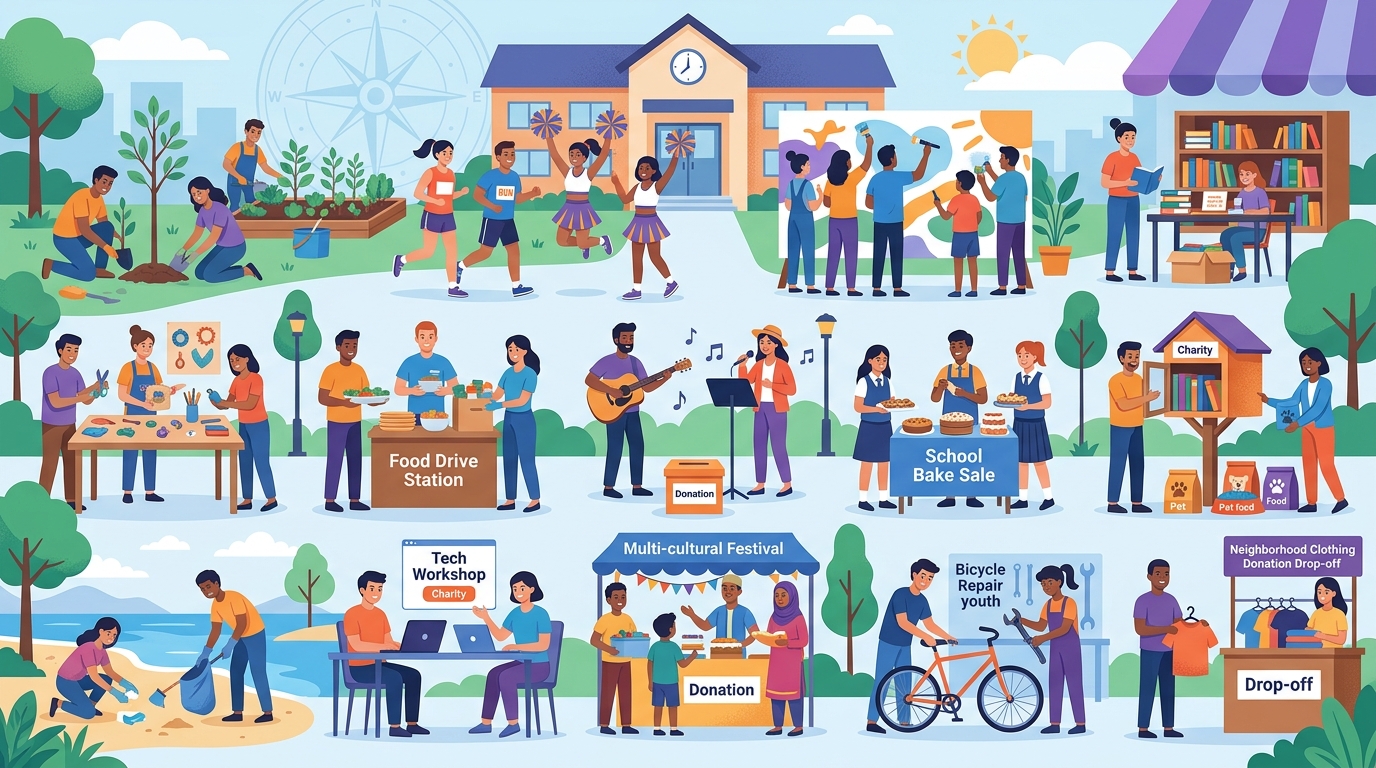
Community giving doesn’t need to be complicated or expensive. The most meaningful ways to give back to the community often start with simple actions that ripple outward. Whether you run a nonprofit, manage a business, or just want to make a difference where you live, the right approach can turn good intentions into lasting change.
Giving back to your community works best when you match local needs with available resources. Start small with volunteer time, in-kind donations, or skill sharing. Build momentum by involving others through events, partnerships, and storytelling. Track your impact to refine your approach. The most successful community engagement combines consistent action with authentic connection to the people you serve.
Understanding What Your Community Actually Needs
Before you organize any initiative, talk to people. Walk through different neighborhoods. Visit community centers. Ask local organizations what gaps they’re trying to fill.
You might assume your area needs a food drive when what people really want is help with job applications. Or you might plan a clothing donation when the shelter is already overflowing with winter coats but desperate for professional attire.
Create a simple needs assessment:
- Contact three to five local nonprofits or community groups
- Ask what resources they lack most urgently
- Find out what times of year are hardest for them
- Learn which volunteer skills they need but can’t find
This groundwork prevents wasted effort and builds relationships that matter.
Volunteer Programs That Fit Real Schedules
Traditional volunteering assumes people have free weekday afternoons. Most don’t.
Design opportunities around how people actually live. Offer weekend shifts. Create micro-volunteering tasks that take 30 minutes. Let people sign up for one-time events instead of ongoing commitments.
Here are formats that work for different lifestyles:
- Drop-in sessions: Show up anytime during a four-hour window
- Virtual support: Data entry, graphic design, or social media help from home
- Family-friendly events: Activities where kids participate alongside parents
- Lunch-hour projects: Sandwich making or letter writing during work breaks
- Skills-based sprints: Intensive one-day projects using professional expertise
Match the volunteer experience to what you’re asking people to give. A two-hour park cleanup on Saturday morning gets more participants than a weekly commitment.
In-Kind Donation Drives That Solve Specific Problems
Generic donation drives collect random items that organizations then need to sort, store, and distribute. Targeted drives solve actual problems.
Partner with one organization. Ask exactly what they need. Communicate those specific items clearly.
| Drive Type | Specific Items | Best Timing | Common Mistakes |
|---|---|---|---|
| School supplies | Backpacks, notebooks, pencils (exact list from teachers) | Late July through August | Collecting items schools don’t use |
| Professional clothing | Business casual attire in common sizes | Year-round | Accepting damaged or outdated items |
| Baby essentials | Diapers (sizes 4-6), wipes, formula | Ongoing with seasonal pushes | Forgetting older baby needs |
| Pet supplies | Specific food brands, leashes, carriers | Before holidays when shelters fill | Donating opened or expired food |
| Technology | Laptops less than 5 years old, chargers | Back-to-school season | Giving broken devices |
Set quality standards upfront. People want to help, but they need clear guidelines about what’s actually useful.
Skill-Sharing That Multiplies Impact
Your professional skills might be more valuable than your money. A few hours of expert help can transform how a small nonprofit operates.
Think about what you do well at work. Then offer it to organizations that can’t afford to hire someone with your expertise.
Accountants can set up bookkeeping systems. Marketers can create social media strategies. Lawyers can review contracts. Web designers can build simple sites. HR professionals can develop volunteer management processes.
“The best community partnerships happen when someone shares a skill that unlocks new capacity. We couldn’t afford a grant writer, but a volunteer helped us learn the process. Now we bring in funding we never could access before.” – Community center director
Skill-sharing creates lasting change because it builds capability instead of dependency.
Events That Bring People Together
Community events serve two purposes. They raise awareness or funds, and they strengthen connections between neighbors.
Plan events that feel welcoming to newcomers. Avoid insider language or complicated registration. Make it easy for someone to show up, participate, and leave feeling good.
Simple event ideas that work:
- Neighborhood cleanup with coffee and donuts after
- Talent show fundraiser where all ages can perform
- Community meal where everyone brings a dish
- Outdoor movie night with donation-based concessions
- Skills swap fair where people teach each other
- Local business crawl with proceeds going to charity
- Park games day with activities for all abilities
The event itself matters less than the atmosphere you create. People remember feeling included and valued.
Business Partnerships That Go Beyond Writing Checks
If you run a business, you have more to offer than money. You have customers, employees, space, products, and influence.
Create partnerships where both sides benefit. The nonprofit gets resources. Your business gets team building, positive visibility, and community goodwill.
Consider these partnership models:
- Percentage of sales: Donate a portion of revenue during specific periods
- Employee volunteer days: Give staff paid time to volunteer
- In-kind product donations: Provide what you make or sell
- Space sharing: Host events or let nonprofits use your location
- Matching programs: Double what employees donate or raise
- Pro bono services: Offer your business services at no cost
Frame partnerships as collaboration, not charity. The best relationships recognize that strong communities benefit everyone.
Digital Campaigns That Spread Awareness
Not everyone can volunteer in person or donate money. But almost everyone can share a post or sign a petition.
Digital campaigns extend your reach beyond people you know personally. They work best when you make participation effortless and shareable.
Create campaigns with clear calls to action:
- Share a specific story about someone your organization helped
- Post a short video showing volunteers in action
- Ask people to tag three friends who care about your cause
- Create a simple graphic people can add to their profile
- Start a hashtag that connects related posts
Keep messages focused. One campaign, one goal, one clear next step. People scroll fast. Grab attention and make your ask immediately obvious.
Youth Engagement That Respects Young People
Students need volunteer hours. But treating young people as free labor wastes their potential and your time.
Give youth real responsibilities. Ask for their input. Let them lead projects. Create opportunities where they learn skills while contributing.
Effective youth programs include:
- Mentorship from adults who listen and guide without controlling
- Projects young people help design from the start
- Skill development in areas they care about
- Recognition that acknowledges specific contributions
- Flexibility around school schedules and exams
When you invest in young volunteers, you’re building future community leaders who already understand how to create change.
Senior Involvement That Values Experience
Older community members often have time, skills, and desire to contribute. They also face barriers like transportation, physical limitations, or feeling unwanted.
Design opportunities that match what seniors can offer. Create roles that use their professional experience or life wisdom. Provide transportation or virtual options. Make spaces physically accessible.
Seniors excel at:
- Mentoring young people starting careers
- Sharing historical knowledge about the community
- Leading book clubs or discussion groups
- Making phone calls to isolated neighbors
- Teaching traditional crafts or skills
- Serving on advisory boards
Intergenerational programs benefit everyone. Young people gain perspective. Seniors feel valued. The community gets stronger.
Measuring Impact Without Drowning in Data
You need to know if your efforts work. But complex measurement systems drain energy from actual service.
Track simple metrics that tell you what matters:
- How many people participated or were served
- What specific outcomes occurred (meals provided, hours tutored, items donated)
- What feedback participants shared
- What you’d change next time
Use a basic spreadsheet or simple form. Collect numbers and stories. Review quarterly to spot patterns.
Share impact in ways people understand. “We served 200 meals” means more than “We achieved 85% of our quarterly nutrition distribution targets.”
Building Sustainability Into Your Giving
One-time efforts feel good but don’t create lasting change. Build systems that continue without constant heroic effort.
Make giving back a regular part of life:
- Schedule monthly volunteer shifts instead of waiting for motivation
- Set up automatic donations even if they’re small
- Create annual events that people expect and plan for
- Develop partnerships with built-in renewal processes
- Train others to lead so initiatives don’t depend on one person
Consistency beats intensity. Showing up regularly with modest effort accomplishes more than occasional big pushes followed by burnout.
Collaboration That Multiplies Resources
Your organization doesn’t need to do everything alone. Partner with others working on similar goals.
Share resources, knowledge, and audiences. Co-host events. Refer people to each other’s programs. Combine fundraising efforts. Cross-promote on social media.
Collaboration reduces duplication and increases impact. Two small nonprofits working together can achieve what neither could alone.
Look for natural partnerships:
- Organizations serving the same population
- Groups working in the same neighborhood
- Causes that complement each other
- Businesses and nonprofits with aligned values
Set clear expectations upfront. Define who does what. Communicate regularly. Celebrate shared wins.
Storytelling That Inspires Action
People connect with stories, not statistics. Share real examples of how community giving changed someone’s life.
Good stories include:
- A specific person (with permission to share)
- A clear problem they faced
- How community support helped
- What’s different now
- What still needs to happen
Avoid savior narratives where helpers are heroes and recipients are helpless. Tell stories that respect dignity and show agency.
Let the people you serve tell their own stories when possible. Their voices carry more authenticity than yours.
Making Giving Accessible to Everyone
Community giving shouldn’t require wealth, free time, or special connections. Create entry points for people with different resources and constraints.
Remove common barriers:
- Offer virtual and in-person options
- Provide childcare during volunteer events
- Accept small donations without judgment
- Schedule activities at various times
- Make spaces physically accessible
- Communicate in multiple languages
- Waive fees or provide scholarships
When you make participation genuinely accessible, you tap into talent and passion you’d otherwise miss.
Learning From What Doesn’t Work
Not every initiative succeeds. Some events flop. Volunteers don’t show up. Donations fall short. Programs miss the mark.
Treat failures as data. Ask what went wrong. Adjust and try again.
Common reasons community initiatives fail:
- Solving a problem that doesn’t exist
- Ignoring input from people you’re trying to help
- Making participation too complicated
- Poor timing or communication
- Volunteer burnout from overcommitment
- Lack of follow-through after initial enthusiasm
Review what didn’t work. Keep what did. Change what didn’t. The best community builders learn constantly.
Creating Change That Lasts
Ways to give back to the community work best when they become woven into daily life rather than special occasions. Start with one approach that fits your schedule and skills. Build from there as you learn what your community needs and how you can help.
The goal isn’t perfection. It’s consistent action that makes your neighborhood a little better. Pick something from this list. Try it this week. Then keep showing up.