 By chloe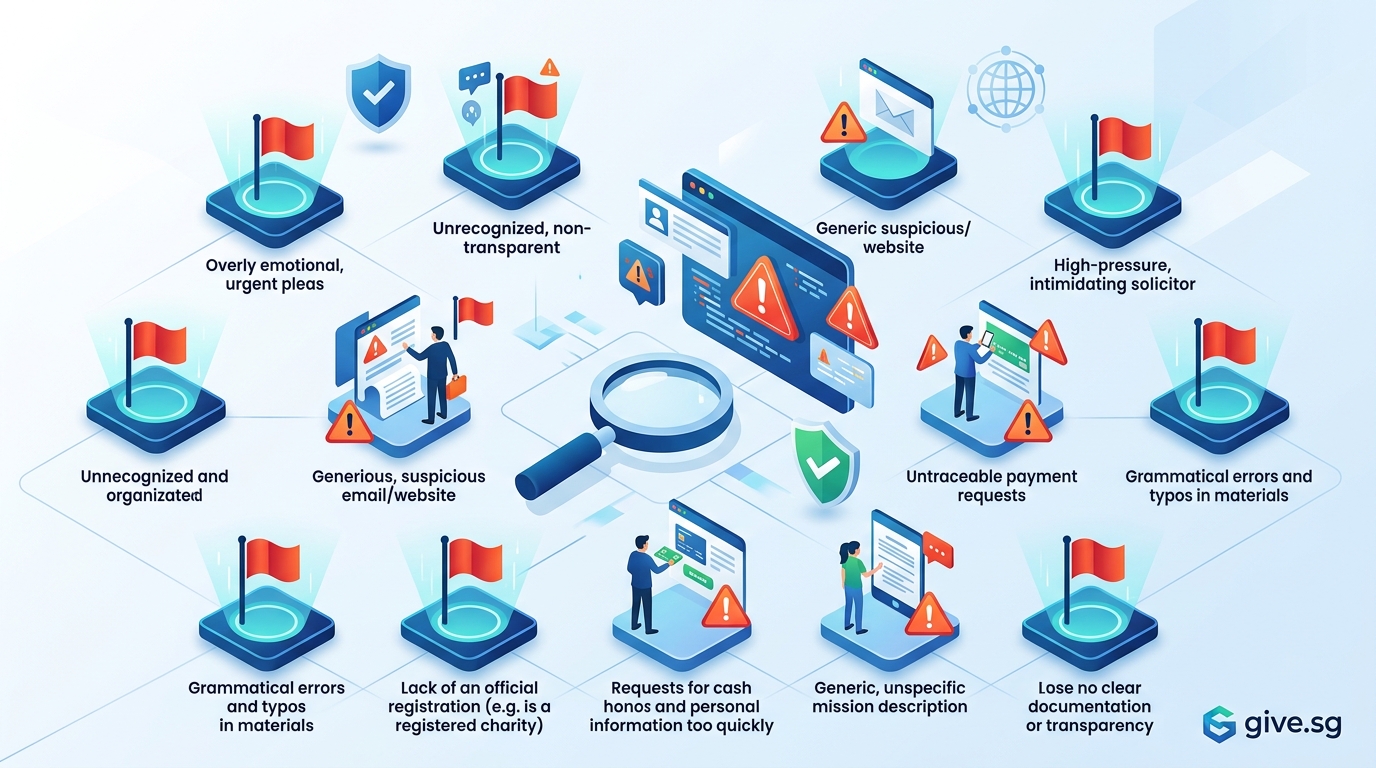
Scammers love generous people. They know that compassion can sometimes override caution, especially during disasters, holidays, or emotional appeals. But protecting yourself from charity fraud doesn’t mean becoming cynical. It means becoming informed.
Charity scam red flags include pressure tactics, vague mission statements, refusal to provide documentation, suspicious payment methods, and names that mimic legitimate organizations. Verify charities through official databases, research their financials, and never give personal information to unsolicited callers. Taking a few minutes to check credentials protects both your money and the causes you care about.
Pressure to donate immediately
Legitimate charities understand that thoughtful giving takes time. They want informed donors who believe in their mission, not rushed decisions made under stress.
Scammers use urgency as a weapon. They’ll claim a matching grant expires in hours, that a child needs surgery today, or that disaster victims will suffer without your immediate help. These tactics work because they trigger emotional responses that bypass rational thinking.
Real nonprofits send follow-up materials. They encourage research. They’re happy to wait while you verify their credentials because they have nothing to hide.
If someone demands an answer right now, that’s your first warning sign. Hang up the phone. Close the browser tab. Step back and investigate on your own timeline.
Vague or emotional mission statements
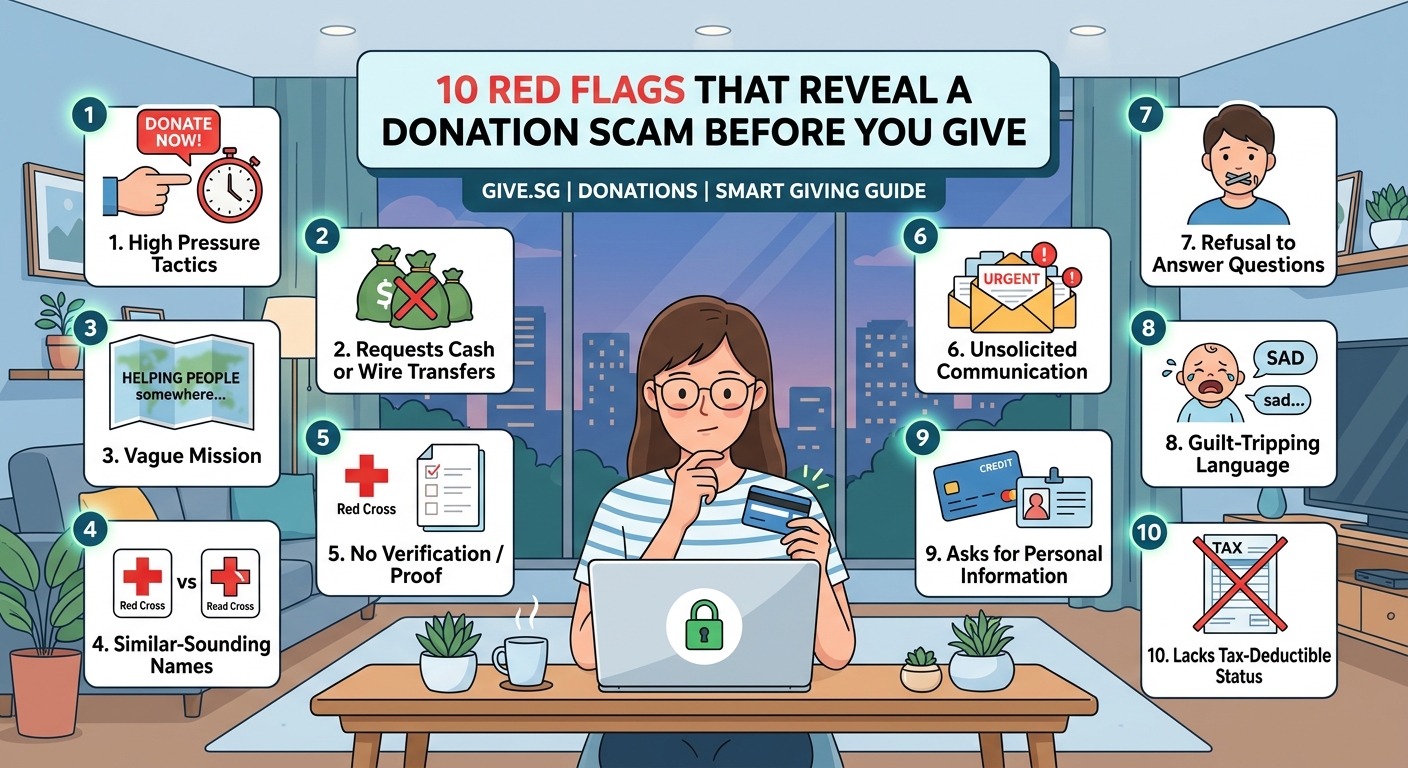
Ask a scammer what their organization does, and you’ll get platitudes. “We help children.” “We support veterans.” “We fight disease.” These statements sound meaningful but reveal nothing about actual programs or measurable outcomes.
Legitimate charities speak in specifics. They’ll tell you they provide after-school tutoring to 500 students in three counties. They’ll explain their job training program that placed 87 veterans in employment last year. They’ll describe the exact research projects your donation funds.
Watch for language designed to manipulate rather than inform. Phrases like “desperate need” or “tragic situation” without concrete details should raise suspicion. Real organizations balance emotional storytelling with factual information about their work.
Names that sound familiar but aren’t
This tactic, called soundalike fraud, banks on your brain filling in the gaps. Scammers create names that closely resemble well-known charities, hoping you’ll confuse them with the real thing.
“American Cancer Fund” instead of American Cancer Society. “Children’s Wish Foundation” instead of Make-A-Wish Foundation. Sometimes they add words like “National” or “Foundation” to generic cause names.
The best defense? Never assume. Always verify the exact legal name of any charity before donating. One letter difference, one extra word, or a slight variation means you’re dealing with a completely different organization.
Check official registries to confirm the name matches exactly. Don’t rely on memory or what sounds right.
Refusal to provide documentation
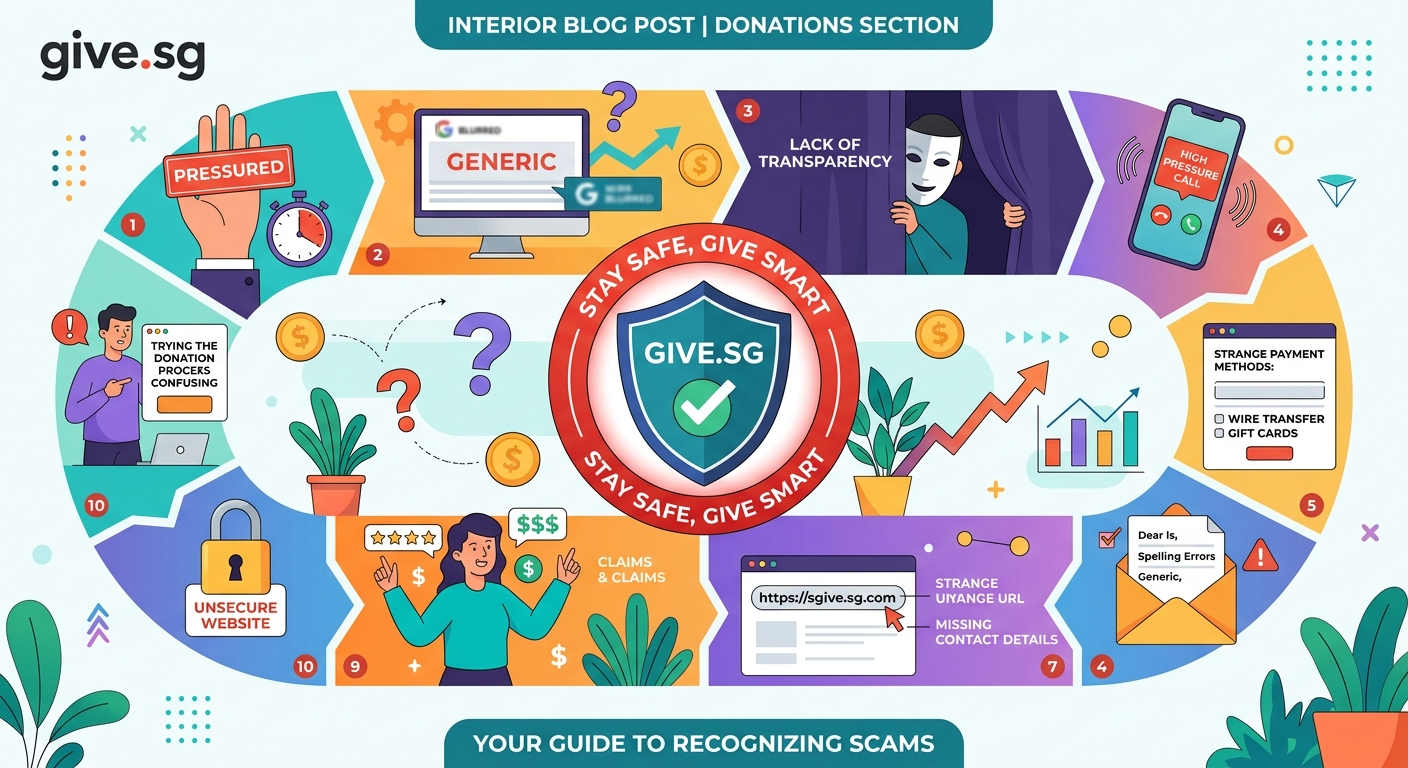
Every legitimate nonprofit can provide proof of their tax-exempt status. In the United States, that means a 501(c)(3) determination letter from the IRS. This document confirms the organization legally operates as a charity.
Ask for it. If they hesitate, make excuses, or claim they’ll send it later, walk away.
You should also receive written information about programs, financials, and leadership. Most established charities have annual reports, impact statements, and donor materials readily available.
Transparency is standard practice in the nonprofit sector. Organizations that operate in shadows do so for a reason.
Unwillingness to answer questions
Try asking specific questions about how donations get used. Where does the money go? What percentage funds programs versus overhead? Who serves on the board of directors?
Scammers deflect. They change the subject back to emotional appeals. They act offended that you’d question their integrity. They might even try to shame you for being “suspicious” when people need help.
Real charities welcome questions. They’ve answered them thousands of times. They understand that informed donors become long-term supporters.
If your reasonable inquiries get met with hostility or evasion, that tells you everything you need to know.
Suspicious payment methods
This red flag appears in multiple forms, all designed to make your money untraceable.
Gift cards. Wire transfers. Cryptocurrency. Cash sent through the mail. These payment methods offer zero recourse if something goes wrong. Once the money leaves your hands, it’s gone forever.
Legitimate charities accept checks, credit cards, and electronic transfers through secure platforms. These methods create paper trails and offer fraud protection.
Some scammers specifically request payment apps like Venmo or Cash App sent to personal accounts. Real nonprofits use business accounts with their official name displayed.
| Payment Method | Legitimate Charity | Likely Scam |
|---|---|---|
| Check to organization | Yes | Rare |
| Credit card through secure site | Yes | Rare |
| Wire transfer to individual | No | Yes |
| Gift cards | No | Yes |
| Cash by mail | No | Yes |
| Cryptocurrency to personal wallet | No | Yes |
No online presence or suspicious websites
Most established charities maintain professional websites with detailed information about their work. They have social media accounts with regular updates and genuine engagement.
Scam sites look different. They might have generic stock photos, spelling errors, or broken links. The “About Us” section stays vague. Contact information leads to voicemail boxes or generic email addresses.
Check the domain age using online tools. If a charity claims decades of service but registered their website three months ago, something doesn’t add up.
Look for HTTPS in the URL and a padlock icon in your browser. While not foolproof, these indicate basic security measures that legitimate organizations implement.
Search for reviews and news coverage. Real charities generate discussion, media mentions, and donor feedback. An organization with zero internet footprint outside their own site deserves scrutiny.
Unsolicited contact with personal details
You receive a call from someone who already knows your name, address, and donation history. They thank you for “previous support” you never gave. They reference causes you care about based on your social media activity.
This information isn’t magic. It comes from data breaches, purchased mailing lists, or social engineering. Scammers use these details to build false credibility and lower your defenses.
Never confirm personal information with unsolicited callers. Don’t verify your address, birth date, or financial details even if they claim to “update their records.”
If someone contacts you about a charity you’ve never heard of but seems to know a lot about you, end the conversation. Then research the organization independently through official channels.
Gratitude before you give
“Thank you for your donation” shouldn’t come before you’ve agreed to donate anything. This psychological trick, called assumed consent, tries to make you feel obligated.
The caller acts as if you’ve already committed. They might say they’re “processing your usual contribution” or “renewing your membership.” They ask for payment details to “complete” a transaction you never started.
This tactic exploits politeness. People feel awkward correcting someone who’s thanking them. They worry about seeming rude or forgetful.
You owe nothing to strangers who contact you. Correct them clearly. If they persist in treating your donation as confirmed, hang up and report them.
Missing or fake registration
In most jurisdictions, charities must register with state authorities before soliciting donations. These registrations are public records you can verify online.
Scammers either skip registration entirely or provide fake registration numbers that don’t check out. Some claim exemptions that don’t exist or say they’re “in process” of registering for years on end.
Verification takes minutes:
- Get the charity’s full legal name and location.
- Visit your state charity registration database.
- Search for the organization and confirm active status.
- Check registration dates match their claimed history.
- Verify the listed address and contact information.
Many states provide searchable databases through their Attorney General or Secretary of State websites. If you can’t find the charity listed, don’t donate until you understand why.
“The best time to verify a charity is before you give, not after. Once money leaves your account, recovery becomes nearly impossible. Legitimate organizations expect due diligence and respect donors who practice it.”
How to verify before you give
Protection comes from process. Build these habits into every donation decision:
- Search the charity name plus “scam” or “complaint” to see what others report.
- Check ratings on charity watchdog sites that evaluate nonprofits.
- Review IRS records to confirm tax-exempt status and view recent filings.
- Read annual reports and financial statements available on the organization’s website.
- Contact them directly using information you find independently, not details they provide.
- Start small with first-time donations to organizations you’re still evaluating.
Trust your instincts. If something feels off, pause. Your hesitation might be your brain processing red flags your conscious mind hasn’t fully recognized yet.
Common scam scenarios to recognize
Certain situations attract scammers like magnets. Knowing these patterns helps you stay alert when risk runs highest.
Disaster relief: Within hours of hurricanes, earthquakes, or other crises, fake charities appear with urgent appeals. They use names similar to established relief organizations and create websites overnight.
Holiday giving: Year-end donation requests surge in November and December. Scammers know people feel generous and rushed during this season. They exploit both emotions.
Social media fundraisers: Platforms make peer-to-peer fundraising easy, but they also enable fraud. Fake medical emergencies, fabricated hardship stories, and stolen photos appear regularly.
Veteran and military causes: These appeals trigger strong emotions and patriotic feelings. Scammers create fake veteran support organizations knowing people hesitate to question military-related charities.
Door-to-door solicitation: Someone appears at your home in uniform or with official-looking credentials. They carry clipboards and speak confidently about their cause. Legitimate charities rarely use this approach anymore because it makes donors uncomfortable.
What to do if you suspect fraud
Spotting red flags is only half the battle. Taking action protects others from falling victim.
Report suspicious organizations to your state Attorney General’s office. They investigate charity fraud and can take legal action against scammers.
File complaints with the Federal Trade Commission through their online portal. These reports help authorities identify patterns and shut down operations.
Warn others by posting reviews on charity watchdog sites and social media. Your experience might save someone else from making the same mistake.
If you already donated, contact your bank or credit card company immediately. Depending on the payment method and timing, you might be able to reverse the transaction.
Document everything. Save emails, record call details, and screenshot websites. This evidence helps investigators build cases against fraudulent operations.
Building your charity verification checklist
Create a simple system you follow before every donation. Consistency matters more than complexity.
Your checklist might include:
- Verify tax-exempt status through IRS database
- Check state charity registration
- Review financial ratings on watchdog sites
- Read recent news coverage about the organization
- Examine their website for transparency and professionalism
- Confirm leadership and board information
- Review program descriptions for specificity
- Verify contact information independently
Keep this list somewhere accessible. Refer to it when donation requests arrive, especially during emotional moments when you’re most vulnerable to manipulation.
Protecting your generosity
Learning to spot charity scam red flags doesn’t make you cynical. It makes you a better donor.
Your money should support real programs that create real change. Every dollar diverted to scammers is a dollar stolen from legitimate causes and people who truly need help.
Take the time to verify. Ask questions. Demand transparency. Real charities will thank you for it because informed donors become passionate advocates.
Your caution protects both your resources and your values. That’s not suspicion. That’s wisdom.