 By chloe
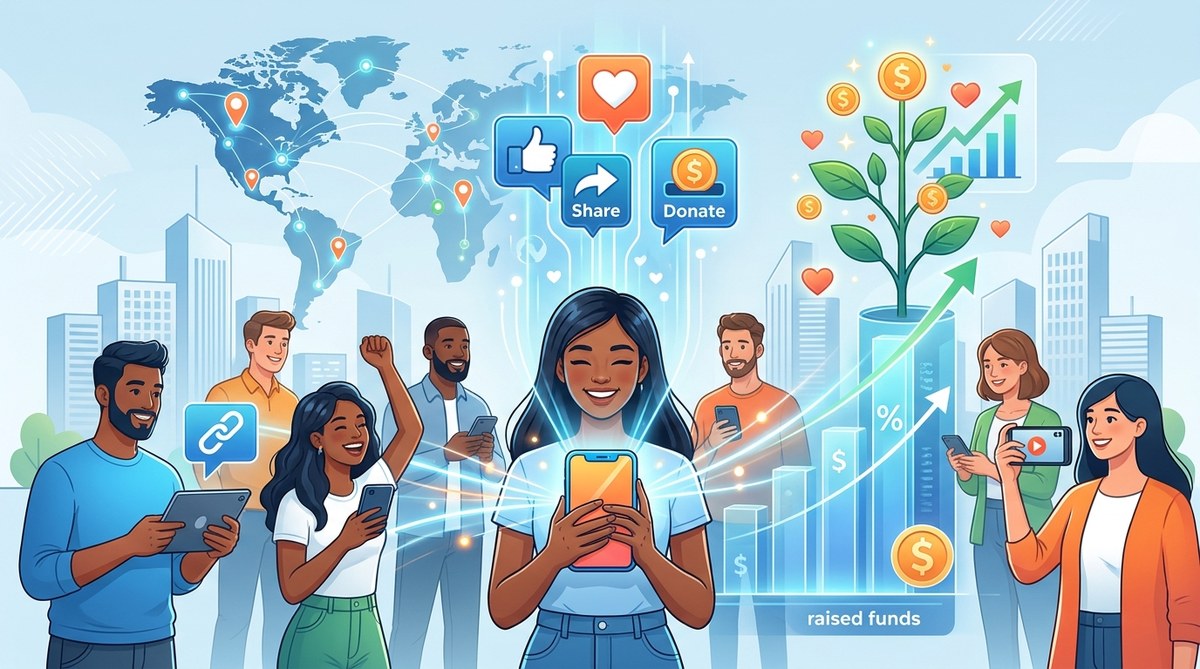
Your charity has a mission that matters. Your fundraiser has a goal that feels just out of reach. And your budget? It is basically zero. You are not alone. Most small nonprofits and volunteer-led groups operate on fumes when it comes to marketing. The good news is that social media does not require a big ad spend to work. With a little strategy and some consistent effort, you can get your campaign in front of the right people without paying for a single click. These free social media fundraising tips for charity will show you exactly how.
You do not need a paid ad budget to run a successful charity fundraiser on social media. Focus on telling one clear story, asking your existing supporters to share it, and using free tools like hashtags, tagging, and user generated content. Consistency and authenticity will always beat a polished ad campaign that feels distant.
Start With Your Story, Not Your Ask
People scroll past hundreds of posts every day. The ones that stop them are not the ones screaming for money. They are the ones that make them feel something. Before you post anything, get clear on the story behind your fundraiser.
Why does this cause exist? Who does it help? What will a single donation actually do? If you can answer those questions in a sentence or two, you have the foundation for every post.
Think about the difference between these two approaches:
- “Please donate to our food drive. We need $5,000 by Friday.”
- “Maria is a single mom in Chicago who relies on our pantry every week. $25 fills her bag with groceries for five days. Help us reach 200 families like Maria this month.”
The second version works because it is specific and human. It gives the audience a person to root for. Use that same logic for every platform you are on.
Choose the Right Platform for Your Audience
You do not need to be everywhere. You need to be where your supporters already hang out. Here is a simple breakdown of where to focus your energy based on the type of fundraiser you are running.
- Facebook is still the best place for community driven fundraisers. Older demographics (ages 35 and up) are active here, and Facebook Fundraising tools let people donate without leaving the app. It is also great for event pages and group sharing.
- Instagram works well for visual storytelling. If your charity serves people or animals, photos and short videos will perform better than text posts. Use Stories to give behind the scenes updates.
- TikTok is growing fast for nonprofit content. Short, raw, and emotional videos do well. You do not need fancy equipment. A volunteer talking directly to the camera about why they care can get thousands of views.
- LinkedIn is useful if you are targeting professionals or looking for corporate partnerships. Share your impact data, volunteer opportunities, and success stories in a professional tone.
- X (formerly Twitter) is best for real time updates, advocacy, and connecting with journalists or other organizations. It is less effective for direct fundraising but great for building awareness.
Pick one or two platforms and do them well. Trying to maintain five accounts with no budget will burn you out.
The 3 Step Process for a Free Organic Campaign
Follow this numbered process to structure your social media promotion without spending money.
-
Identify your core storytellers. These are your current volunteers, board members, and regular donors. Ask them to share one post about your fundraiser. Give them a simple template or a photo they can use. Make it as easy as possible for them to say yes.
-
Create a content calendar for two weeks. Map out when you will post. Include a mix of story posts (why this matters), impact posts (what a donation buys), and update posts (how close you are to the goal). Use free scheduling tools like Meta Business Suite or Buffer’s free plan to schedule posts ahead of time.
-
Engage with every comment and share. When someone comments on your post, reply within a few hours. When someone shares your fundraiser, thank them publicly. This signals to the algorithm that your content is active, which pushes it to more people for free.
What Works and What to Avoid
This table breaks down the techniques that actually move the needle versus the common mistakes that waste your time.
| Effective Technique | Common Mistake |
|---|---|
| Posting a single clear story with a specific ask | Posting a long list of facts and statistics with no emotional hook |
| Tagging local businesses and influencers who support your cause | Tagging random accounts with no connection to your mission |
| Using a custom hashtag and asking supporters to use it | Using generic hashtags like #donate or #charity that get buried |
| Sharing user generated content from volunteers | Posting only polished professional photos that feel distant |
| Posting consistently even if it is just once a day | Posting five times in one day and then going silent for a week |
| Replying to comments and messages within hours | Ignoring engagement and treating social media like a broadcast channel |
Use User Generated Content to Build Trust
You do not need a professional photographer. Your volunteers and donors already have phones and stories. Ask them to share their own photos and videos. This is called user generated content, and it is one of the most powerful free tools available.
A volunteer holding a sign that says “I give because…” performs better than a professionally designed graphic. Why? Because it feels real. People trust other people more than they trust organizations.
Here is how to encourage user generated content:
- Ask a specific question. “Show us why you volunteer with us. Post a photo and tag us.”
- Create a simple hashtag for your campaign. Something like #MealsForMaria or #TeamHope2026.
- Repost every piece of user content you receive. Tag the original poster and thank them.
- Run a small contest. “The best volunteer photo this month wins a coffee gift card.” Even a small incentive drives participation.
Leverage Free Tools and Features
Social media platforms offer free features that many small charities ignore. Use them before you even think about paid ads.
Facebook and Instagram Fundraising Tools let you add a donate button directly to your posts and stories. Set up a fundraiser through Facebook’s nonprofit tools. It takes ten minutes and costs nothing. Supporters can donate without leaving the app.
Instagram Stories are perfect for countdowns. Show a “Days Left” sticker. Use the question box to let people ask about your cause. Post a poll asking “Should we extend the drive?” Stories keep your campaign visible without cluttering the main feed.
TikTok’s Stitch and Duet features let you respond to other creators. If someone makes a video about your cause, stitch it and say thank you. This doubles your reach for free.
LinkedIn’s newsletter feature lets you send updates to your followers. Use it to share progress reports and impact numbers in a professional format.
A Note on Timing and Consistency
Posting once and hoping for the best does not work. Social media algorithms favor accounts that post regularly. You do not need to post every hour. One post per day on your main platform is enough. Two to three stories per day on Instagram or Facebook will keep your campaign top of mind.
Time your posts to match when your audience is online. For most charities, weekday mornings between 7 and 9 AM and early evenings between 5 and 7 PM perform best. Test different times and see what gets the most engagement.
“The biggest mistake I see small charities make is treating social media like a megaphone instead of a conversation. Reply to every comment. Thank every share. The algorithm rewards connection, not volume.” — Sarah Mendez, nonprofit digital strategist
How to Ask Without Feeling Pushy
Many volunteers and staff members feel awkward asking for money on social media. That is normal. Reframe the ask as an invitation to be part of something good.
Instead of “Please donate,” try these phrases:
- “Join us in supporting…”
- “Be part of the solution for…”
- “Help us reach our goal of…”
- “Every share helps us get closer to…”
Asking for shares is often more effective than asking for donations directly. A share puts your fundraiser in front of a new audience for free. That new audience might include someone who can give a larger gift.
Measure What Matters Without Paid Analytics
You do not need expensive analytics software. Free tools give you enough data to improve your strategy.
On Facebook and Instagram, use Meta Business Suite. It shows you reach, engagement, and follower growth for free. Look at which posts get the most comments and shares. Those are the topics your audience cares about most.
On TikTok, the built in analytics show you which videos are getting the most watch time. Replicate the style of your top performing video.
On LinkedIn, the post analytics show you who is viewing and engaging. If a post about volunteer impact gets more clicks than a post about financial needs, make more volunteer focused content.
Track these three metrics each week:
- Shares (not just likes). Shares mean someone is putting your cause in front of their own network.
- Link clicks. How many people are actually visiting your donation page.
- Comments. Real conversations indicate deeper engagement than passive scrolling.
If you want to understand how your donation page performs after someone clicks, read more about what happens to your donation after you click submit.
Build a Volunteer Social Media Team
You do not have to do this alone. Recruit two or three volunteers who are comfortable on social media. Give them a simple role: share one post per week and reply to comments on the days they are assigned.
Create a shared document with:
- A list of approved hashtags
- A few sample captions they can copy and paste
- Links to the best photos and videos to share
- A schedule so you do not all post at the same time
This spreads the workload and keeps your content fresh. It also gives your volunteers ownership over the campaign. When people feel invested, they promote more naturally.
What to Do When the Campaign Slows Down
Every fundraiser hits a lull. The first week gets a burst of support, and then things go quiet. That is normal. Here is how to handle it without spending money.
- Share a progress update. “We are at 60 percent of our goal. Here is what those donations have already bought.” This creates urgency and shows momentum.
- Thank your donors publicly. Post a list of names (with permission) or a screenshot of recent donations. People like to see their name recognized. It also encourages others to join.
- Ask your board to step up. Board members should be your biggest advocates. If they have not shared the campaign yet, send them a personal note with a direct link.
- Cross promote with a partner organization. Find another small nonprofit or local business that shares your values. Offer to share their content if they share yours. This opens up a new audience for free.
If you are looking for more ways to engage your local community, check out these 15 creative ways to engage your local community in charitable giving.
Your Free Social Media Toolkit
Here is a bulleted list of everything you need to get started today. No downloads. No subscriptions. Just free accounts and a little time.
- A Facebook Page or Instagram Business account (free)
- Meta Business Suite for scheduling (free)
- Canva for simple graphics (free tier works fine)
- A phone camera for photos and video
- A shared Google Doc or Trello board for your volunteer team
- A custom hashtag for your campaign
- A clear one sentence story about your cause
Turn Followers Into Monthly Supporters
Your fundraiser might be a one time push, but the relationships you build can last much longer. After the campaign ends, keep your new followers engaged. Share updates on how the money was used. Thank them again. Invite them to future events.
This is how you build a base of monthly donors. People who feel connected to your cause are more likely to give again. If you want to understand the power of recurring gifts, read about why monthly giving programs transform how charities serve communities.
One Final Reminder
Your small charity does not need a big marketing budget to make a big impact. What you need is a clear story, a willing group of supporters, and the consistency to show up every day. Social media is the great equalizer. A volunteer with a smartphone and a good heart can reach just as many people as a large organization with a six figure ad budget.
Start with one platform. Tell one story. Ask one person to share it. Then do it again tomorrow. That is how free social media fundraising works. That is how your charity wins.