 By chloe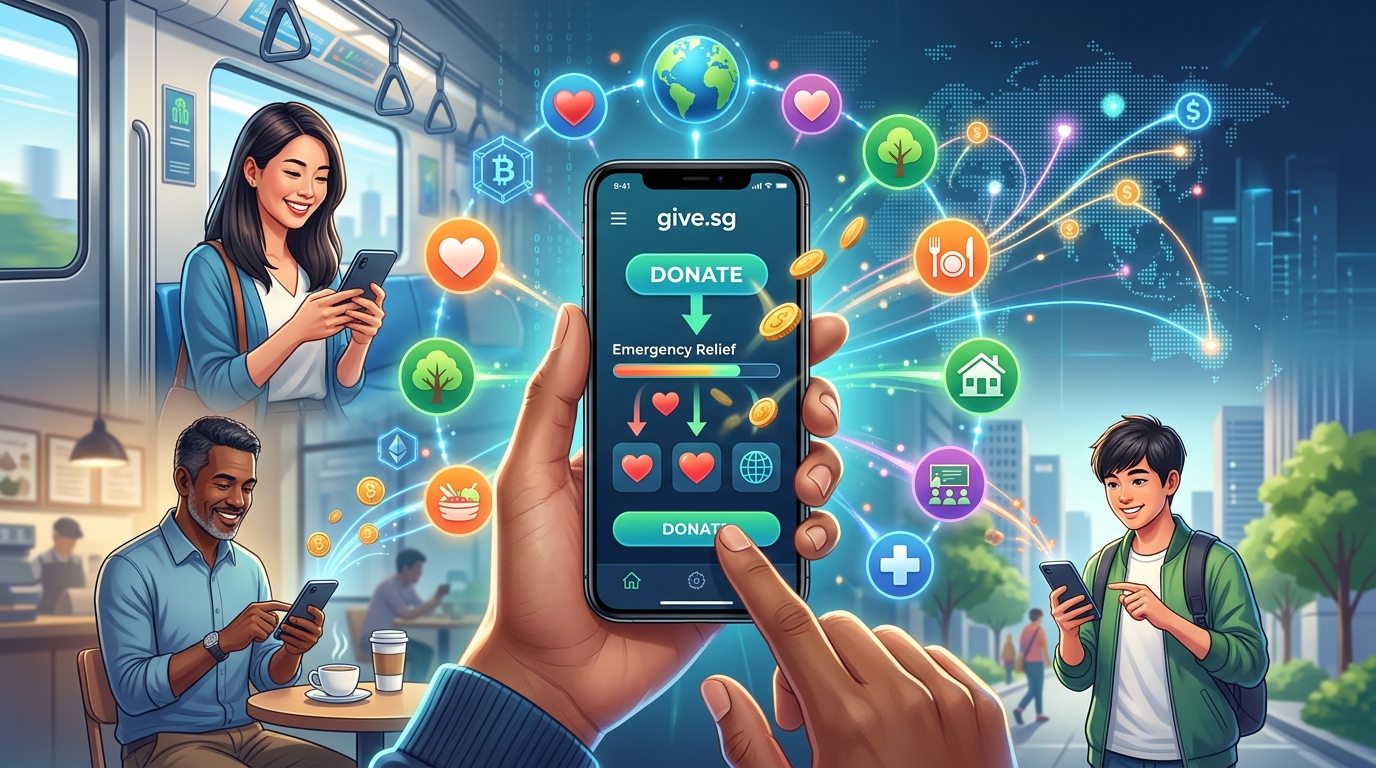
Charitable giving used to mean writing checks, attending galas, or dropping coins into collection boxes. Today, donors can support causes from their couches, their commutes, or anywhere their phones go. Mobile apps have fundamentally changed how people give, how nonprofits connect with supporters, and how transparent the entire process has become.
Mobile apps are transforming charitable giving by making donations instant, transparent, and deeply personalized. Nonprofits using mobile platforms see higher donor retention, increased recurring gifts, and stronger engagement through real-time impact updates. These tools remove friction from giving while building trust through [blockchain tracking](https://en.wikipedia.org/wiki/Blockchain), AI-driven personalization, and immersive storytelling that connects donors directly to the causes they care about most.
Why Donors Switched to Mobile Platforms
The shift happened faster than most nonprofit leaders expected. Between 2020 and 2024, mobile giving grew by over 200% across major platforms. Younger donors, especially those under 40, now prefer mobile apps over traditional giving methods by a margin of three to one.
The reasons are straightforward. Mobile apps meet donors where they already spend their time. The average person checks their phone 96 times per day. Having a donation button in that ecosystem removes every barrier between intention and action.
But convenience alone doesn’t explain the transformation. Trust plays an equally important role. Donors today want proof their money makes a difference. They want updates, photos, and data showing exactly how their contributions get used. Mobile apps deliver that transparency in ways direct mail and email never could.
The Features That Changed Everything
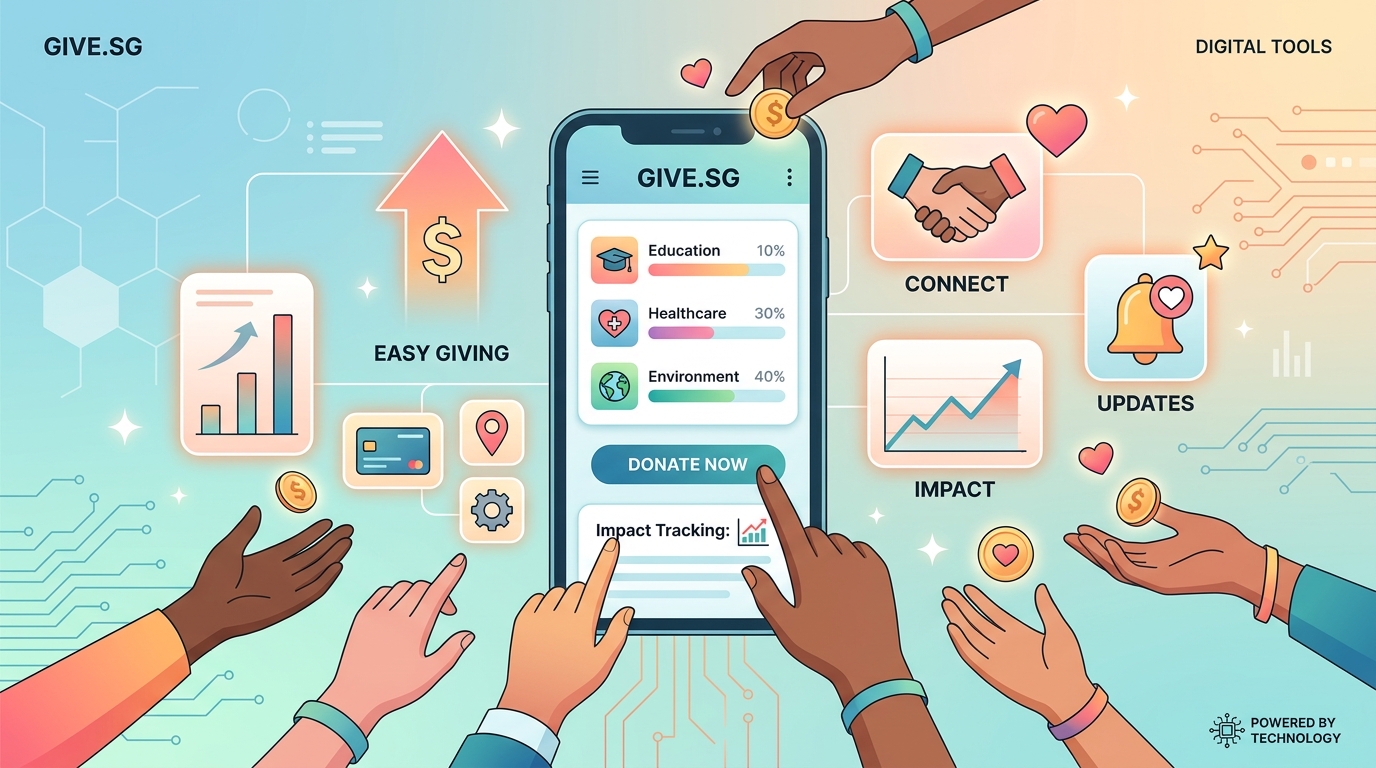
Several key capabilities separate modern donation apps from simple payment processors. These features work together to create experiences that keep donors engaged long after their first gift.
Real-Time Impact Tracking
Donors can now see their contributions at work within hours, not months. Apps display live dashboards showing:
- Meals served today
- Families housed this week
- Trees planted this month
- Students receiving scholarships
One education nonprofit saw retention rates jump 47% after adding a real-time counter showing how many textbooks donor contributions purchased. Donors logged in regularly just to watch the numbers climb.
Personalized Giving Experiences
Artificial intelligence analyzes donor behavior to suggest causes, amounts, and timing that match individual preferences. If someone consistently gives $25 on the first Friday of each month, the app learns that pattern and sends gentle reminders.
Personalization extends beyond scheduling. Apps now recommend specific projects based on past giving history. Someone who funded clean water initiatives in Kenya might receive updates about similar projects in Tanzania or Uganda.
Blockchain Fund Tracking
Transparency reached new heights when nonprofits started using blockchain technology to track every dollar from donor to beneficiary. Donors can follow their specific contribution through the entire chain:
- Money leaves their account
- Organization receives and allocates funds
- Local partner purchases supplies
- Beneficiaries receive assistance
This level of detail builds trust in ways annual reports never could. Donors see exactly where their money goes, with timestamps and verification at each step.
Seamless Payment Integration
Modern apps accept every payment method donors might prefer. Credit cards, debit cards, digital wallets, cryptocurrency, and even stock transfers all flow through the same interface.
The best apps save payment information securely, making repeat donations truly effortless. One tap, and the gift is complete. No forms, no re-entering information, no friction.
How Nonprofits Are Using Mobile Apps Differently
Smart organizations aren’t just accepting mobile donations. They’re rebuilding their entire donor engagement strategy around mobile-first experiences.
Push Notifications That Actually Work
Nobody wants spam notifications. But donors do want timely updates about causes they support. Nonprofits are learning the difference.
Effective push notifications share:
- Breaking news from the field
- Urgent matching gift opportunities
- Personal thank-you messages from beneficiaries
- Milestone celebrations (1,000th family served!)
- Time-sensitive disaster response needs
One disaster relief organization sends location-based notifications when emergencies happen near a donor’s hometown. Response rates on those messages hit 68%, compared to 12% for generic appeals.
Gamification That Drives Engagement
Some apps incorporate game-like elements that make giving more interactive and social. Donors earn badges for consistency, unlock new giving levels, or compete in friendly challenges with other supporters.
A children’s hospital app created monthly giving challenges where donors could see (anonymized) leaderboards showing top contributors. Monthly giving increased 89% within six months of launch.
The gamification works because it taps into natural human desires for achievement, recognition, and community. Donors aren’t just sending money into a void. They’re part of something bigger.
Peer-to-Peer Fundraising Built In
The most powerful fundraisers aren’t professional development staff. They’re passionate supporters who share causes with their own networks. Mobile apps make peer-to-peer fundraising incredibly simple.
Donors can:
- Create personal fundraising pages in minutes
- Share campaigns directly to social media
- Track contributions from their network
- Send thank-you messages to supporters
- Compete in team fundraising challenges
One environmental nonprofit saw 40% of their annual revenue come through peer-to-peer campaigns launched from their mobile app. Individual fundraisers became their most effective acquisition channel.
The Numbers Behind Mobile Giving Growth
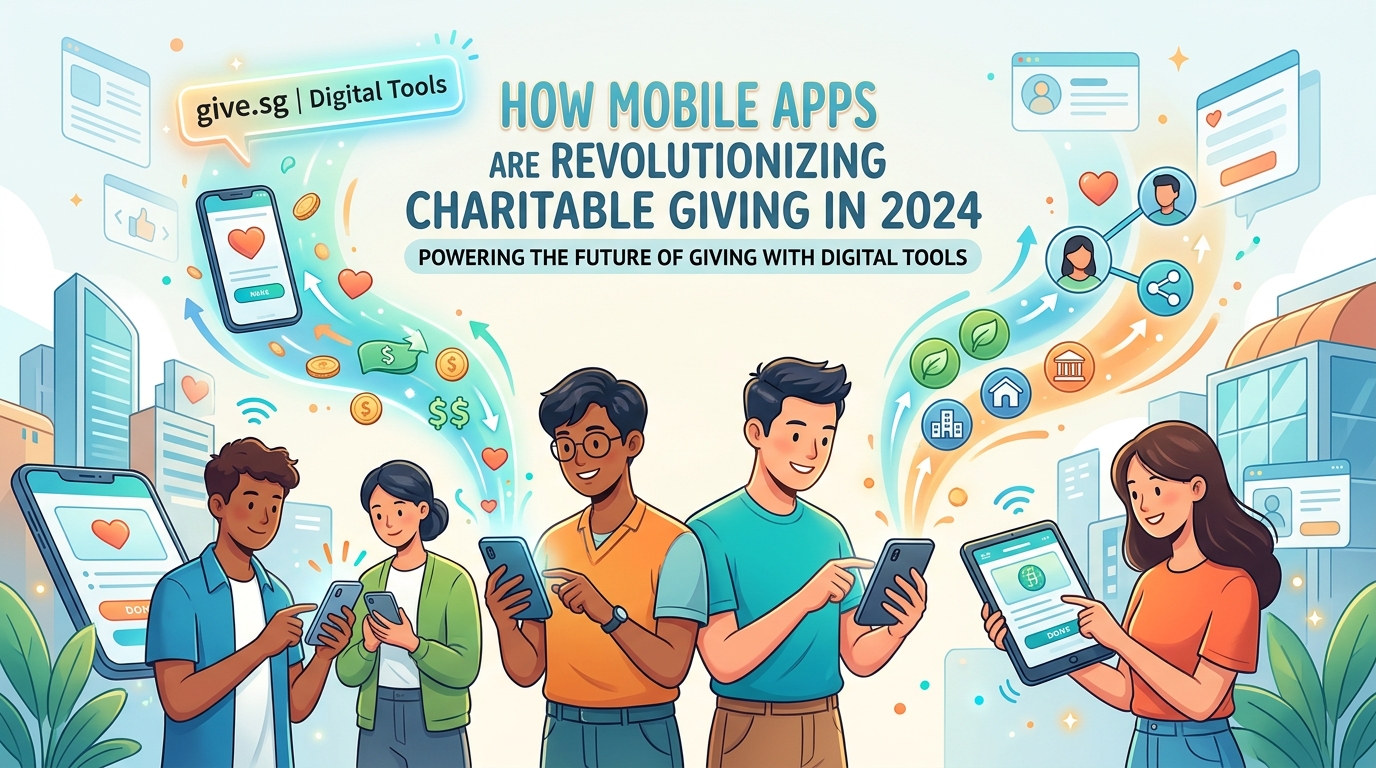
Data tells a compelling story about how mobile apps are changing charitable giving patterns.
| Metric | Traditional Giving | Mobile App Giving |
|---|---|---|
| Average gift size | $128 | $97 |
| Donor retention rate | 43% | 67% |
| Recurring gift adoption | 18% | 52% |
| Time to complete donation | 4.5 minutes | 38 seconds |
| Donor engagement frequency | 2.3x per year | 8.7x per year |
The smaller average gift size might seem concerning at first. But higher retention and recurring adoption more than compensate. A donor giving $25 monthly through an app contributes $300 annually, far exceeding the typical one-time gift.
The engagement frequency difference matters most. Donors who interact with an organization almost nine times per year develop stronger emotional connections than those who only hear from you twice. That engagement translates directly into lifetime value.
What Younger Donors Expect From Mobile Giving
Generational preferences are reshaping nonprofit technology priorities. Millennials and Gen Z donors, who will control the majority of charitable dollars within the next decade, have clear expectations.
They want instant gratification. Not in a shallow sense, but in seeing immediate confirmation their gift matters. Apps that show real-time impact satisfy this need perfectly.
They demand transparency. Growing up with information at their fingertips, younger donors won’t accept vague promises about “administrative costs” or “program expenses.” They want exact percentages, detailed breakdowns, and proof of impact.
They value experiences over transactions. A donation isn’t just a financial exchange. It’s an opportunity to feel connected to something meaningful. Apps that create community, share stories, and enable participation win their loyalty.
“The nonprofits that thrive in the next decade will be those that treat mobile giving not as a payment channel, but as a relationship platform. Younger donors don’t just want to give money. They want to be part of the solution.” — Sarah Chen, Director of Digital Strategy at Global Impact Alliance
Building Trust Through App-Based Transparency
Trust remains the foundation of all charitable giving. Mobile apps create new opportunities to build and maintain that trust through consistent, transparent communication.
Financial Transparency Features
Modern donation apps often include:
- Live expense breakdowns showing exactly how funds get allocated
- Searchable databases of every project and initiative
- Downloadable financial reports and audits
- Comparison tools showing efficiency metrics against similar organizations
- Impact calculators demonstrating what specific donation amounts achieve
One international development nonprofit added a feature letting donors see the current status of every project they’ve supported. Donors could check in anytime to see photos, progress updates, and financial spending on “their” projects. Retention among users of that feature reached 81%.
Beneficiary Connection
The most powerful trust-building tool might be direct connection between donors and beneficiaries. Apps are making this possible at scale.
Some platforms enable:
- Video messages from people receiving assistance
- Photo updates showing specific individuals or families
- Direct messaging between donors and program participants (where appropriate)
- Community forums where beneficiaries share their stories
This human connection transforms abstract charitable concepts into real relationships. Donors aren’t funding “programs.” They’re helping Maria finish nursing school or ensuring Ahmed’s family has clean drinking water.
Overcoming Common Mobile Giving Challenges
The transition to mobile-first fundraising isn’t without obstacles. Smart nonprofits anticipate these challenges and address them proactively.
Security Concerns
Donors worry about payment security, data privacy, and potential fraud. Apps must exceed industry security standards and communicate those protections clearly.
Best practices include:
- End-to-end encryption for all transactions
- Two-factor authentication options
- Clear privacy policies written in plain language
- Regular security audits by third parties
- Prominent display of security certifications
One healthcare nonprofit added a simple security badge to their donation screen and saw completion rates increase 23%. Donors needed that visual reassurance before entering payment information.
App Fatigue
Everyone’s phone is already crowded with apps. Convincing donors to download yet another one requires demonstrating clear value beyond just accepting donations.
Successful nonprofit apps offer:
- Volunteer opportunity browsing and signup
- Event calendars and ticket purchasing
- Educational content about issues and solutions
- Community forums and discussion groups
- Exclusive updates and behind-the-scenes content
The app becomes a hub for all engagement with the organization, not just a donation tool. That comprehensive value proposition justifies the download.
Technical Accessibility
Not every donor has the latest smartphone or unlimited data. Apps must work reliably across device types, operating systems, and connection speeds.
Accessibility considerations include:
- Lightweight design that works on older devices
- Offline functionality for areas with poor connectivity
- Screen reader compatibility for visually impaired users
- Multiple language options for diverse donor bases
- Simple, intuitive interfaces requiring minimal technical skill
Measuring Success Beyond Dollar Amounts
Mobile giving success requires looking beyond simple fundraising totals. The best apps generate value across multiple dimensions.
Engagement Metrics That Matter
Track these indicators to understand your mobile giving health:
- Active users (monthly and weekly)
- Session duration and frequency
- Feature adoption rates
- Social sharing frequency
- Peer-to-peer campaign creation
- Recurring gift conversion rates
- Retention cohorts over time
One animal welfare organization discovered that donors who used their app’s volunteer scheduling feature gave 3.2 times more annually than those who only made donations. That insight shaped their entire engagement strategy.
Qualitative Feedback
Numbers don’t tell the whole story. Regular donor surveys and user testing sessions reveal how people actually experience your app.
Ask questions like:
- What made you download our app?
- Which features do you use most often?
- What would make you use the app more frequently?
- How does using our app make you feel about our organization?
- What’s one thing you wish the app could do?
This feedback drives continuous improvement and helps prioritize development resources.
Emerging Technologies Shaping the Future
Mobile giving continues to evolve as new technologies mature and donor expectations shift.
Augmented Reality Storytelling
Some nonprofits are experimenting with AR features that let donors “visit” project sites virtually. Point your phone at a flat surface, and suddenly you’re standing in a classroom your donations helped build or walking through a reforestation project.
These immersive experiences create emotional connections that photos and videos can’t match. Early adopters report significantly higher engagement and sharing rates.
Voice-Activated Giving
As smart speakers become ubiquitous, voice-activated donations are gaining traction. Donors can say “donate $50 to Ocean Conservation Fund” and complete the transaction entirely through voice commands.
The technology still faces adoption challenges, but the convenience factor is undeniable. Voice giving works particularly well for urgent disaster response campaigns where speed matters.
Cryptocurrency Integration
Younger donors increasingly hold wealth in digital currencies. Apps that accept Bitcoin, Ethereum, and other cryptocurrencies tap into new donor segments while offering tax advantages for appreciated assets.
One university foundation added cryptocurrency donation options and received $2.3 million in digital currency gifts within the first year, primarily from donors under 35 who had never previously contributed.
Making the Transition to Mobile-First Fundraising
For nonprofits still relying primarily on traditional channels, the shift to mobile can feel overwhelming. Breaking the process into manageable steps helps.
-
Audit your current mobile experience. Download your own donation forms on various devices. Time how long it takes. Note every frustration. Most organizations discover their mobile experience is worse than they realized.
-
Choose the right platform. Build custom, use an established nonprofit app platform, or partner with a giving marketplace. Each approach has tradeoffs in cost, control, and features.
-
Start with core features. Don’t try to build everything at once. Begin with seamless donations, basic impact updates, and solid security. Add sophistication over time based on user feedback.
-
Train your team. Staff and board members should understand how the app works and be able to demonstrate it confidently. They’re your first ambassadors.
-
Promote strategically. Add app download prompts to your website, email signatures, social media profiles, and printed materials. Offer incentives for early adopters.
-
Iterate based on data. Watch how people actually use your app. Which features get ignored? Where do people get stuck? Let user behavior guide your development priorities.
Your Donors Are Already Mobile
The question isn’t whether mobile apps will transform charitable giving. They already have. The question is whether your organization will adapt quickly enough to meet donors where they are.
Every day you delay implementing a strong mobile giving strategy, you lose opportunities to connect with donors who prefer digital experiences. More importantly, you miss chances to build the kind of transparent, engaging relationships that turn one-time givers into lifelong supporters.
Start small if you need to. But start now. Your donors are already on their phones. Make sure your cause is there with them.