 By chloe
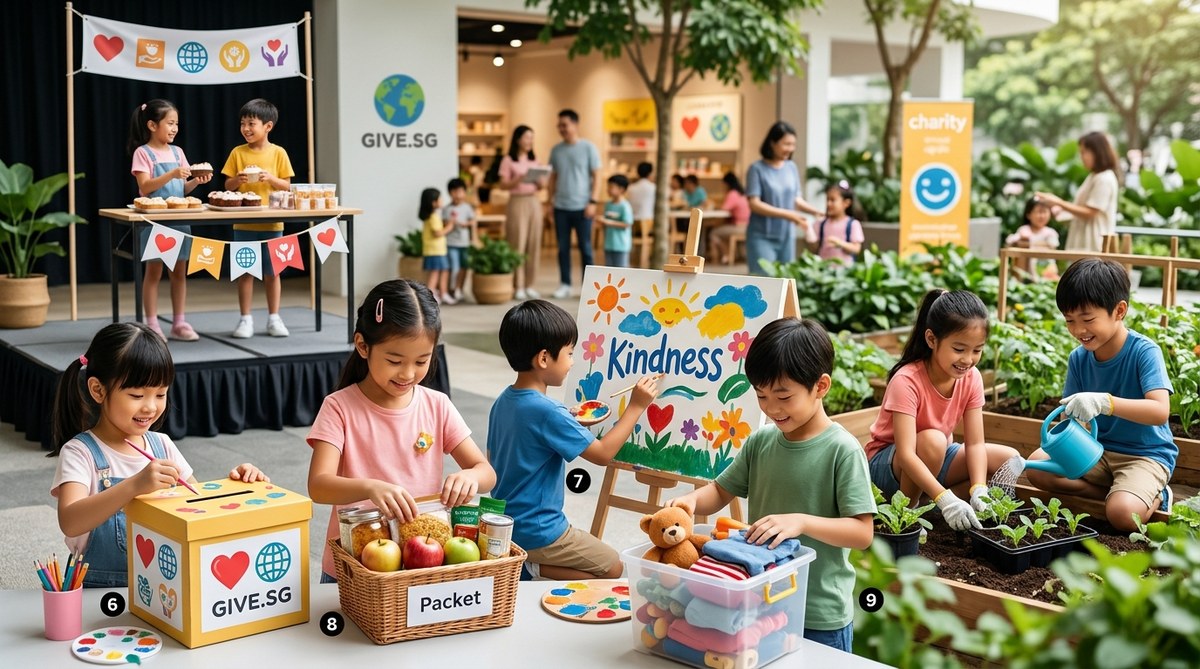
Introducing kids to volunteering early builds empathy and a lifelong habit of giving. This guide covers over a dozen age-specific volunteer activities for kids, from toddler-friendly park cleanups to teen-led fundraising campaigns. You will find practical steps, a comparison of giving methods, and expert advice to make community service a natural part of your family routine in 2026.
As a parent, you want your children to grow up kind, generous, and aware of the world around them. But finding the right way to start can feel like a puzzle. You want something meaningful, not just a photo op. You want them to learn, but you also want them to have fun. The good news is that volunteer activities for kids come in all shapes and sizes. Some take ten minutes. Others become a weekly tradition. And the best part? You get to do it together.
Let us walk through real, practical ways to involve your kids in giving back, no matter their age or your schedule.
Start with a Family Conversation
Before you sign up for anything, sit down with your kids. Ask them what they care about. Do they love animals? Are they worried about kids who do not have enough food? Do they notice trash on the playground? Their answers will guide your choices.
For younger children, keep it simple. You might say, “Some families do not have warm coats for winter. What could we do to help?” For older kids and teens, let them lead the research. Ask them to find a cause that speaks to them. This ownership makes the experience stick.
Once you know their interests, you can match them with the right volunteer activities for kids. Below is a table to help you match age groups with suitable types of work.
Matching Age Groups with Volunteer Activities
| Age Group | Best Type of Activity | Example | Time Commitment |
|---|---|---|---|
| Ages 3 to 5 | Simple, hands-on tasks with immediate results | Picking up litter in the yard, sorting cans for a food drive | 15 to 30 minutes |
| Ages 6 to 9 | Group activities with clear roles | Making sandwiches for a shelter, planting flowers in a community garden | 30 to 60 minutes |
| Ages 10 to 12 | Projects that require some independence | Walking dogs at a local shelter, reading to younger kids at the library | 1 to 2 hours |
| Ages 13 to 15 | Skill-based or leadership roles | Tutoring younger students, helping with social media for a local nonprofit | 2 to 3 hours per week |
| Ages 16 to 18 | Long-term commitments and advocacy | Serving on a youth board, organizing a charity run | Flexible, but regular |
Eight Creative and Age-Appropriate Ideas
Here are eight specific ways to get started. Each one works for different ages and schedules.
1. Backyard or Neighborhood Cleanup
This is one of the easiest volunteer activities for kids of any age. Put on gloves, grab a trash bag, and walk around your block or a local park. Young children can focus on picking up leaves or sticks. Older kids can handle recyclables. Talk about why litter hurts animals and how you are helping the community. You can even make it a monthly family event.
2. Bake Sales for a Cause
Baking together is a natural way to teach kids about earning money for others. Let your child choose the charity. It might be a local animal rescue or a food bank. Help them set a table at a garage sale or outside your home (check local rules first). They can practice math by counting change and learn to explain why the cause matters.
3. Letter Writing to Seniors or Hospital Patients
Many nursing homes and hospitals welcome cheerful cards. This is a quiet, creative activity that works for kids who are shy or prefer not to be in crowds. Have your child draw pictures or write short notes. You can drop them off at a local senior center or mail them through organizations like Love for the Elderly. It teaches empathy without overwhelming a sensitive child.
4. Pet Shelter Volunteering
Animal lovers will jump at this chance. Most shelters require volunteers to be at least 10 or 12 years old, but younger kids can still help. They can collect donated towels, make toys from old t-shirts, or help with adoption events. Older teens can walk dogs or clean kennels. Check with your local shelter for their specific age rules.
5. Food Bank Sorting
Food banks often allow families with children as young as six or seven to sort nonperishable items. It is a physical, hands-on job that shows kids the scale of hunger in your area. Call ahead to confirm age requirements and sign up for a shift. Many food banks offer weekend family hours.
6. Virtual Volunteering from Home
Not every family has time to drive to a site. Virtual volunteering is growing fast in 2026. Kids can transcribe historical documents for the Library of Congress, caption photos for the Smithsonian, or record themselves reading books for kids in hospitals. These tasks build computer skills and show that you do not need to leave the house to make a difference. Learn more about virtual volunteering and how it connects you with global causes.
7. Seasonal Gift Drives
Holiday toy drives and back-to-school supply collections are familiar to most families. But you can make them more meaningful. Instead of just dropping off items, involve your child in every step. Have them help shop for the gifts. Let them wrap the presents. If the charity allows, bring them along to deliver the items. This connects the giving to a real outcome.
8. Neighborhood Helpers
Teach your kids that volunteering can be as simple as helping a neighbor. Rake leaves for an older adult. Shovel snow from a neighbor’s walkway. Offer to walk a friend’s dog while they are on vacation. These small acts build a habit of service. They also show kids that charity is not just about organizations. It is about people.
A Practical Process for Getting Started
If you are not sure where to begin, follow these five steps.
- Talk about values. Ask your child what problems they notice in the world. Listen without correcting.
- Research together. Look up local nonprofits online. Read their mission statements. Check if they welcome families.
- Start small. Pick a one-time event first. A single Saturday morning project is less intimidating than a weekly commitment.
- Debrief afterward. On the car ride home, ask what they liked and what surprised them. This reflection cements the lesson.
- Repeat and expand. If they enjoyed it, sign up for another event. Gradually increase the time or responsibility.
Common Mistakes and How to Avoid Them
Even well-meaning parents can trip up. Here is a list of common pitfalls and better approaches.
-
Mistake: Forcing a child into a cause they do not care about.
Better approach: Let them choose from a short list of options you have pre-approved. -
Mistake: Taking on too much too fast.
Better approach: Start with a single afternoon project. Build up from there. -
Mistake: Focusing only on money.
Better approach: Emphasize time and effort. Kids learn more from serving than from writing a check. -
Mistake: Ignoring safety and age rules.
Better approach: Always call the organization ahead of time. Confirm their policies for children. -
Mistake: Not explaining the “why.”
Better approach: Connect each task to a real person or animal. For example, “These cans go to a family who needs dinner tonight.”
A Closer Look at Giving Time vs. Giving Money
Many parents wonder whether it is better to donate time or money. Both matter, but they teach different lessons.
“When children give their time, they see the direct impact of their actions. They learn that their presence matters. That is a gift no dollar amount can replace.” – Dr. Amelia Reyes, child development specialist and author of Raising Givers
Time-based volunteering shows kids the work behind charity. They meet the people they help. They see the shelter, the food line, the animal kennel. This builds empathy that lasts.
Money-based giving teaches planning and sacrifice. If your child wants to donate $10 of their allowance, let them. Talk about how that $10 buys a meal or supplies for a classroom. This connects their choice to a real outcome. For more on how to make your donation count, read about what percentage of your donation actually reaches those in need.
A balanced approach works best. Volunteer together a few times a year. Let your child set aside a small portion of their allowance for a cause they choose. Both habits will stick.
Making It a Family Tradition
The goal is not a single event. It is a lifestyle. When volunteering becomes a normal part of your family rhythm, kids stop seeing it as a chore. They start seeing it as part of who they are.
Try these ideas to build the habit:
- Schedule a “family service day” once a season. Put it on the calendar like a birthday.
- Keep a running list of causes your kids mention. Revisit it when planning your next activity.
- Celebrate after a project. Go for ice cream or have a movie night. Positive reinforcement works.
- Talk about giving at dinner. Ask, “Did anyone see a way to help someone today?”
When Your Child Is Not Interested
Not every kid jumps at the chance to volunteer. That is normal. If your child resists, do not force it. Instead, look for low-pressure entry points.
Maybe they do not want to serve food at a shelter, but they might enjoy baking cookies for a neighbor. Maybe they hate group projects, but they would love to plant a tree in the backyard. Meet them where they are. Even small acts count.
If you have a teen who is skeptical, try a different angle. Volunteering looks great on college applications and resumes. It can also help them build a resume that nonprofits actually notice. That might be the motivation they need to give it a try.
Giving That Grows with Your Child
What works for a four-year-old will not work for a fourteen-year-old. That is fine. The key is to adapt as your child grows.
- Preschool and kindergarten: Focus on concrete tasks. “We are picking up trash so the park is clean for everyone.” Keep sessions short.
- Elementary school: Introduce the idea of others’ needs. “We are making sandwiches because some kids do not have lunch today.” Let them help prepare.
- Middle school: Encourage independence. Let them research a cause and present it to the family. Support their ideas.
- High school: Shift toward leadership. Help them start a club, organize a drive, or find a mentor in the nonprofit world. They might also be interested in corporate matching gift programs that can double their impact if they get a part-time job.
One Final Thought on Starting Today
You do not need a perfect plan. You do not need a big budget or a lot of time. You just need a willingness to try. Pick one idea from this list. Talk to your kids tonight. Set a date for this weekend. The first step is always the hardest, and it is also the most important.
Volunteer activities for kids do not have to be complicated. A walk to pick up litter, a batch of cookies for a neighbor, a Saturday morning at the food bank. These moments add up. They shape how your children see the world and their place in it. And they give you a chance to show, not just tell, what it means to care.
So grab a trash bag, a mixing bowl, or a phone to call your local shelter. Your family’s giving story starts now.