 By chloe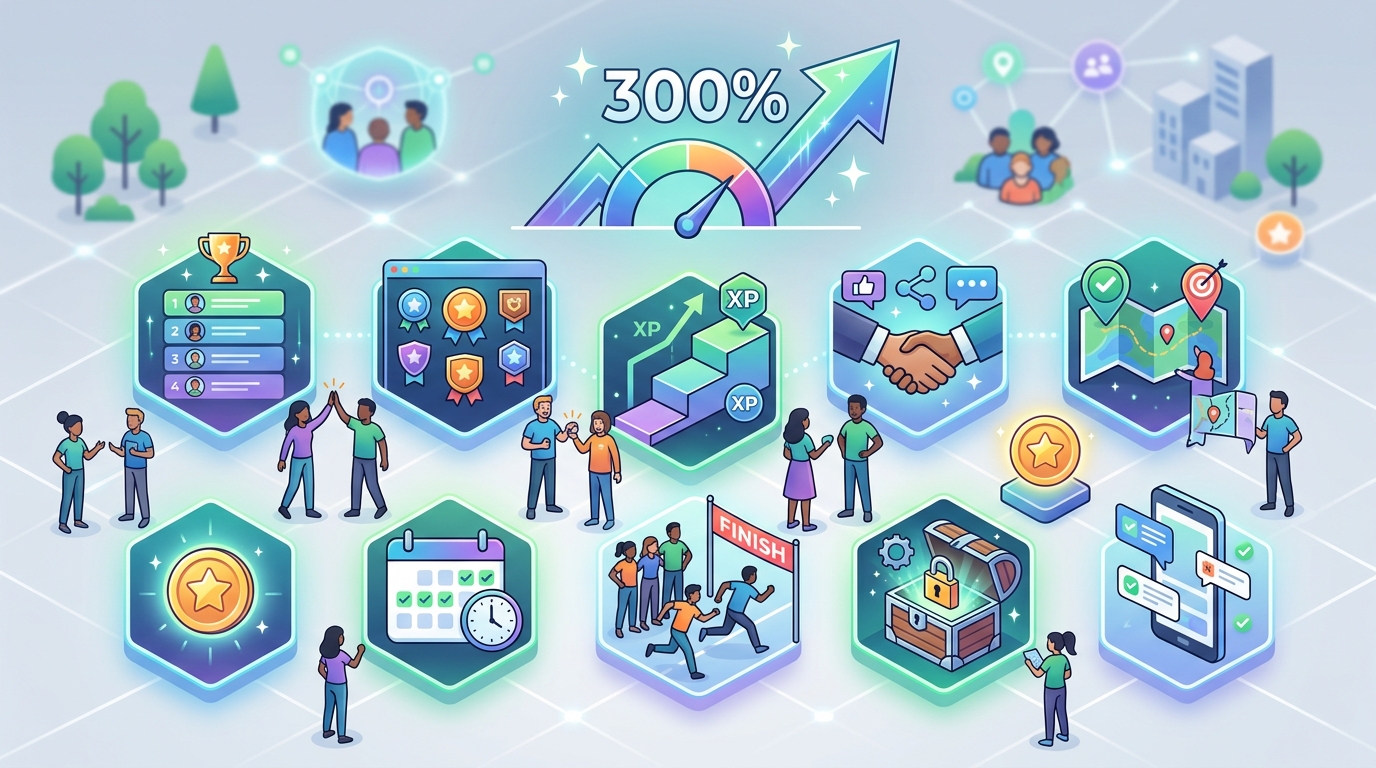
Volunteer coordinators face a common challenge: keeping volunteers excited and committed beyond their first event. Traditional recognition methods often fall flat, leaving dedicated team members feeling undervalued and uninspired. The solution lies in gamification strategies that tap into our natural desire for achievement, competition, and progress.
Gamification strategies volunteer engagement transforms how nonprofits motivate their teams by applying [game mechanics](https://en.wikipedia.org/wiki/Gamification) like points, badges, leaderboards, and challenges to volunteer activities. These techniques increase participation rates, improve retention, and create meaningful recognition systems that make volunteers feel valued. Organizations implementing gamification see measurable improvements in attendance, referrals, and long-term commitment from their volunteer base.
Why game mechanics work for volunteer programs
People volunteer because they want to make a difference. But good intentions alone don’t sustain long-term commitment.
Game mechanics work because they create visible progress markers. When volunteers see their contributions add up through points or badges, abstract impact becomes concrete achievement. This psychological shift transforms occasional helpers into dedicated team members.
Research shows that 87% of people feel more productive when gamification elements are present. For nonprofit organizations, this translates directly into more reliable volunteer attendance and higher quality contributions.
The average volunteer gives 50 hours of service annually. Organizations that recognize and reward this commitment through structured gamification programs retain volunteers longer and tap into their full potential value.
Points and rewards systems that actually motivate
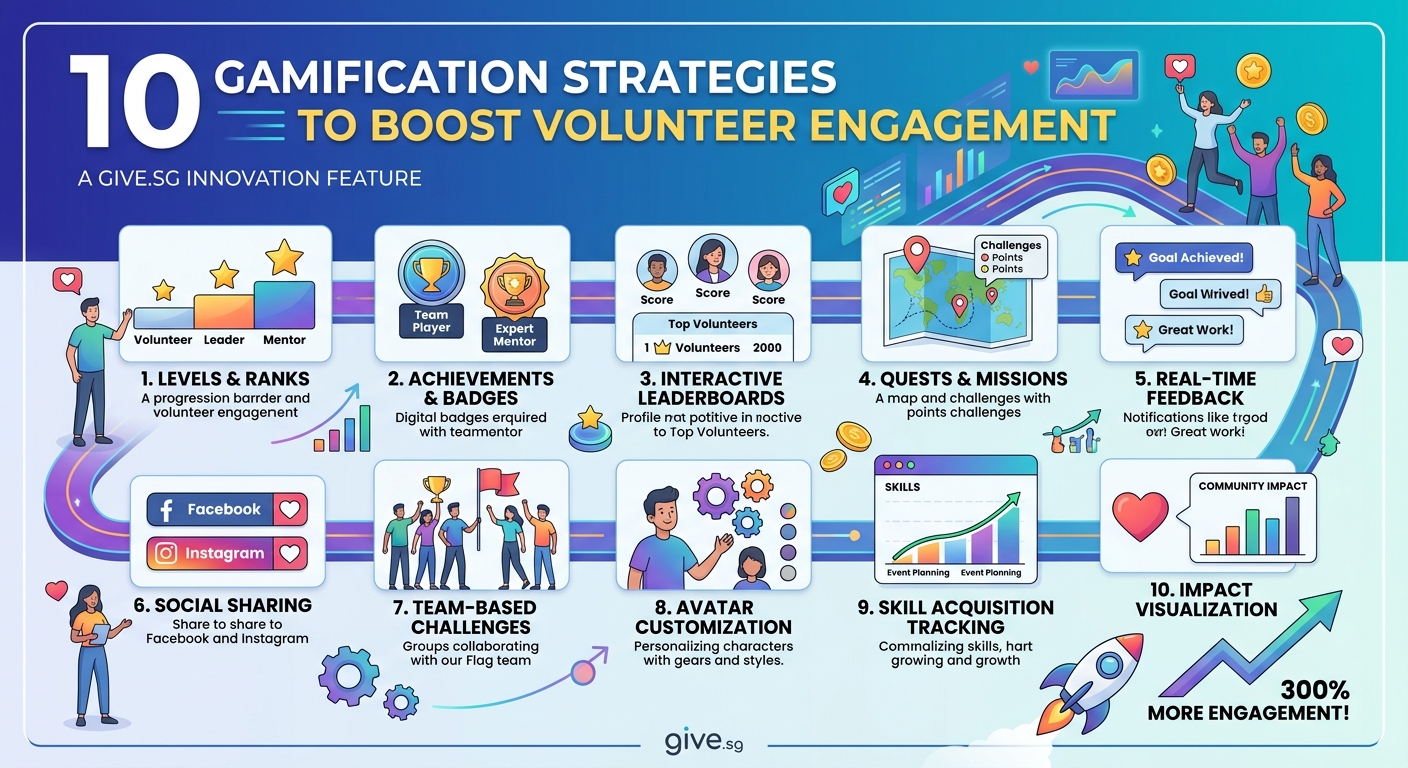
A points-based system gives every volunteer action measurable value. Each hour served, each friend referred, each milestone reached earns points that accumulate over time.
The key is making point values transparent and fair. Volunteers should understand exactly how they earn points before they start. Display point totals prominently in your volunteer portal or communication platform.
Successful organizations assign different point values to different roles. A three-hour food bank shift might earn 30 points, while serving as an event coordinator for a fundraiser could earn 100 points. This differentiation acknowledges that some roles require more skill, time, or responsibility.
Exchange programs turn points into tangible rewards. Branded merchandise like t-shirts, water bottles, or tote bags creates walking advertisements for your cause. Higher point thresholds might unlock tickets to appreciation events, gift cards, or even naming opportunities for programs or spaces.
Open Hand Atlanta saved over $649,000 through their LeaderTree gamification program. Volunteers earn points redeemable for prizes, creating a self-sustaining recognition system that drives consistent participation.
Consider these point allocation strategies:
- Standard volunteer hours: 10 points per hour
- Leadership roles: 25 points per hour
- Volunteer referrals: 50 points per new recruit
- Social media shares: 5 points per post
- Training completion: 20 points per module
- Milestone achievements: 100 points for 50 hours served
Badges and achievements that tell a story
Digital badges serve as visual representations of volunteer accomplishments. Unlike points that fluctuate, badges remain permanent markers of specific achievements.
Create badge categories that align with your mission. An environmental nonprofit might offer badges like “Tree Planter” for planting 50 trees, “Trail Blazer” for completing trail maintenance, or “Education Ambassador” for leading school programs.
Tiered badges encourage continued participation. A “Rising Star” badge for 10 hours served evolves into “Committed Contributor” at 50 hours, then “Community Champion” at 100 hours. This progression creates clear next steps for volunteers to pursue.
Skill-based badges recognize specialized contributions. Technical volunteers might earn “Tech Wizard” badges, while those who excel at public speaking could unlock “Storyteller” status. These specialized recognitions make volunteers feel seen for their unique talents.
Display badges prominently on volunteer profiles. When new recruits see the achievements of experienced volunteers, they understand the growth path available to them. This visibility creates aspirational goals and builds community pride.
Leaderboards that foster healthy competition
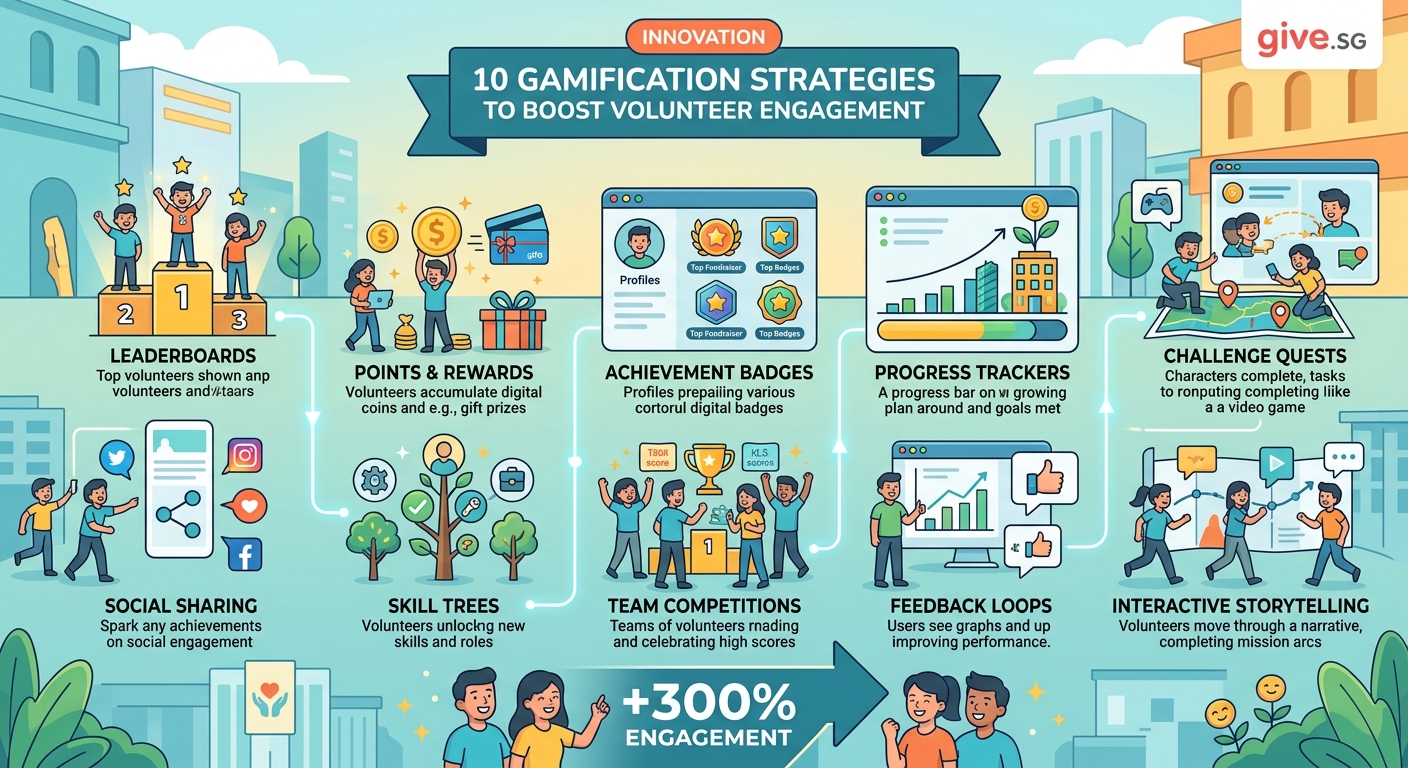
Leaderboards tap into competitive instincts while celebrating top performers. When implemented thoughtfully, they drive participation without creating toxic rivalry.
Segment leaderboards by timeframe to give everyone a chance to shine. Monthly leaderboards reset regularly, allowing new volunteers to compete on equal footing with veterans. Annual leaderboards honor sustained commitment over time.
Category-specific leaderboards prevent burnout. Instead of one master leaderboard that only recognizes total hours, create separate rankings for different activities. Someone might top the “Event Support” leaderboard while another leads in “Administrative Help.”
Team leaderboards shift focus from individual competition to collaborative achievement. Organize volunteers into teams that compete for collective point totals. This approach builds camaraderie and encourages peer recruitment.
“Recognition programs with clear performance metrics see 60% better retention rates. Leaderboards provide that visibility while celebrating volunteer contributions in real time.” – Volunteer Management Research Institute
Consider privacy preferences when displaying rankings. Some volunteers thrive on public recognition, while others prefer private acknowledgment. Offer opt-in leaderboard participation and alternative recognition methods for those who prefer discretion.
Challenges and missions that create urgency
Time-bound challenges inject excitement into routine volunteer activities. A “100 Hours in 30 Days” challenge rallies your entire volunteer base toward a collective goal.
Individual missions provide personalized objectives. New volunteers might receive a “First Week Mission” to complete orientation, attend one event, and introduce themselves to three other volunteers. Completing the mission unlocks a welcome badge and bonus points.
Seasonal challenges align with calendar events. A “Spring Renewal Challenge” for an environmental group might focus on planting activities, while a food bank could run a “Summer Hunger Relief Challenge” during peak need months.
Progressive challenges build momentum. Start with achievable goals like “Serve 5 hours this month,” then increase difficulty as volunteers gain experience. This gradual progression prevents overwhelm while maintaining engagement.
Collaborative challenges unite your community around shared objectives. When the entire volunteer corps works toward a collective goal like “Serve 1,000 meals this quarter,” individual contributions feel connected to larger impact.
Building your gamification framework
Implementing gamification requires thoughtful planning and the right tools. Follow these steps to build an effective system:
-
Audit your current volunteer activities. List every role, task, and contribution opportunity. Identify which activities should earn points, badges, or recognition.
-
Define your reward structure. Determine point values for each activity type. Establish badge criteria and achievement milestones. Set realistic redemption values for rewards.
-
Choose your technology platform. Invest in volunteer management software that supports gamification features. Look for systems with point tracking, badge management, leaderboard displays, and communication tools.
-
Create your visual identity. Design appealing badge graphics that reflect your brand. Develop clear iconography for different achievement types. Ensure all visual elements work across digital and print formats.
-
Launch with clear communication. Explain the program thoroughly before rollout. Provide tutorials on earning points, tracking progress, and redeeming rewards. Address questions proactively.
-
Monitor and adjust. Track participation rates, point distribution patterns, and reward redemption frequency. Gather volunteer feedback regularly and refine your system based on real usage data.
Common mistakes and how to avoid them
| Mistake | Why It Fails | Better Approach |
|---|---|---|
| Making rewards too expensive | Volunteers feel achievements are unattainable | Offer mix of low, medium, and high-tier rewards |
| Focusing only on hours served | Ignores quality and specialized contributions | Recognize diverse contributions and skills |
| Complicated point systems | Confusion reduces participation | Keep earning rules simple and transparent |
| Inconsistent recognition | Erodes trust in the system | Automate tracking and maintain regular updates |
| No social sharing options | Limits viral growth potential | Enable volunteers to share achievements publicly |
| Ignoring non-competitive volunteers | Alienates introverted contributors | Provide multiple recognition pathways |
Advanced techniques for sustained engagement
Once your basic gamification framework is running, layer in advanced strategies that deepen commitment.
Referral bonuses turn volunteers into recruiters. Award significant points when existing volunteers bring friends who complete their first shift. This creates organic growth while rewarding your most engaged members.
Streak tracking encourages consistency. Recognize volunteers who serve multiple consecutive weeks or months. Streak badges and bonus multipliers reward reliability, which is often more valuable than occasional high-volume participation.
Skill progression systems acknowledge growth. As volunteers gain experience, unlock advanced roles with higher point values. This career-like progression gives long-term volunteers something to work toward.
Surprise rewards maintain excitement. Occasionally award bonus points for exceptional contributions or random acts of kindness observed by coordinators. Unpredictability keeps volunteers engaged even between planned challenges.
Peer recognition systems distribute appreciation beyond coordinator acknowledgment. Allow volunteers to award each other small point bonuses or special badges. This builds community and reduces the burden on staff.
Measuring success beyond participation numbers
Effective gamification strategies volunteer engagement programs generate measurable outcomes. Track these metrics to assess your system’s impact:
- Volunteer retention rate month over month
- Average hours per volunteer compared to pre-gamification baseline
- New volunteer recruitment from existing volunteer referrals
- Event attendance reliability and last-minute cancellations
- Volunteer satisfaction scores in post-event surveys
- Social media engagement when volunteers share achievements
- Diversity of activities volunteers participate in
Qualitative feedback matters as much as quantitative data. Conduct regular focus groups with volunteers at different engagement levels. Ask what motivates them, what feels fair, and what could improve.
Compare high-performing volunteers who actively engage with gamification against those who participate minimally. Understanding what drives your most committed members helps you refine your approach.
Communication strategies that amplify your program
Even the best gamification system fails without effective communication. Volunteers need regular reminders about their progress, new challenges, and available rewards.
Weekly emails highlight leaderboard standings, recent badge earners, and upcoming challenges. Keep these messages brief and scannable with clear calls to action.
In-person recognition at volunteer events brings digital achievements into the physical world. Present badges or rewards publicly when appropriate, celebrating accomplishments in front of peers.
Social media showcases create aspirational examples. With permission, feature top volunteers and their achievement stories. This recognition honors individuals while showing potential volunteers what’s possible.
Dashboard notifications within your volunteer management system provide real-time updates. When volunteers log in, they should immediately see new points earned, badges unlocked, or challenges available.
Text messages work for time-sensitive challenges. A reminder that “only 3 days left in the Spring Challenge” can prompt action from volunteers who might otherwise forget.
Making gamification feel authentic to your mission
The biggest risk with gamification is creating a system that feels disconnected from your actual impact. Points and badges should enhance mission connection, not replace it.
Tie achievements to real-world outcomes. Instead of generic “100 Hours Served” badges, create “50 Families Fed” or “10 Habitats Restored” badges that connect actions to results.
Share impact stories alongside gamification updates. When announcing leaderboard winners, include a brief story about how volunteer hours translated into community change that week.
Design challenges around mission-critical needs. If your organization faces a volunteer shortage in a specific program area, create a targeted challenge that addresses that gap while offering attractive rewards.
Use mission-aligned language in your gamification elements. An animal shelter might use “Paw Points” instead of generic points. An environmental group could award “Green Badges” for sustainability achievements.
Involve volunteers in system design. Ask your most engaged volunteers what types of recognition feel meaningful to them. Co-creating your gamification framework ensures it resonates with your actual volunteer base.
Technology tools that simplify implementation
Modern volunteer management platforms include built-in gamification features that eliminate manual tracking headaches.
VolunteerHub offers comprehensive point systems, badge management, and leaderboard functionality. Administrators assign point values to opportunities, and the system automatically tracks and displays volunteer progress.
Galaxy Digital provides customizable achievement frameworks with automated badge awarding based on predefined criteria. Their mobile app keeps gamification accessible for on-the-go volunteers.
Better Impact includes milestone tracking and recognition tools that integrate with communication features, allowing coordinators to celebrate achievements immediately.
For organizations with existing volunteer databases, consider gamification plugins or custom development. Many constituent relationship management systems support third-party integrations that add game mechanics without requiring platform migration.
Spreadsheet-based systems work for smaller organizations just starting out. While less automated, a well-maintained Google Sheet can track points and achievements until you’re ready to invest in dedicated software.
Keeping your program fresh over time
Gamification fatigue sets in when systems become stale. Regularly refresh your program to maintain volunteer interest.
Introduce seasonal badge sets that rotate quarterly. Summer badges might focus on outdoor activities, while winter badges emphasize indoor events or virtual volunteering.
Update reward options based on volunteer requests. Survey your community about what prizes they’d actually redeem points for, then adjust your catalog accordingly.
Create anniversary badges that honor volunteer tenure. A “5 Year Champion” badge means more when it’s introduced after someone has already served five years, showing you recognize and value their long-term commitment.
Host special challenge events that break from routine. A “Volunteer Olympics” weekend with team competitions and special prizes generates buzz and re-engages dormant volunteers.
Celebrate program milestones collectively. When your volunteer corps collectively reaches 10,000 hours served or 1,000 badges earned, throw an appreciation event that honors the community achievement.
Turning volunteers into lifelong advocates
The ultimate goal of gamification strategies volunteer engagement isn’t just participation. It’s transforming casual volunteers into passionate advocates who champion your cause in their daily lives.
When volunteers feel recognized, valued, and connected to visible progress, they naturally share their experiences. They post about their achievements on social media, recruit friends, and defend your organization in community conversations.
Gamification creates the structure for this transformation. Points quantify contribution. Badges provide shareable proof of commitment. Leaderboards foster belonging. Challenges create memorable experiences.
But the magic happens when these game mechanics amplify the intrinsic motivation that brought volunteers to your organization in the first place. The best gamification systems don’t replace purpose with points. They make purpose visible, measurable, and celebrated.
Start small with one or two gamification elements. Test what resonates with your volunteers. Gather feedback. Refine your approach. Then gradually expand your system as you learn what drives engagement in your unique community.
Your volunteers want to feel valued and see their impact. Gamification strategies give you the tools to deliver both at scale, creating sustainable volunteer programs that grow stronger year after year.