 By chloe
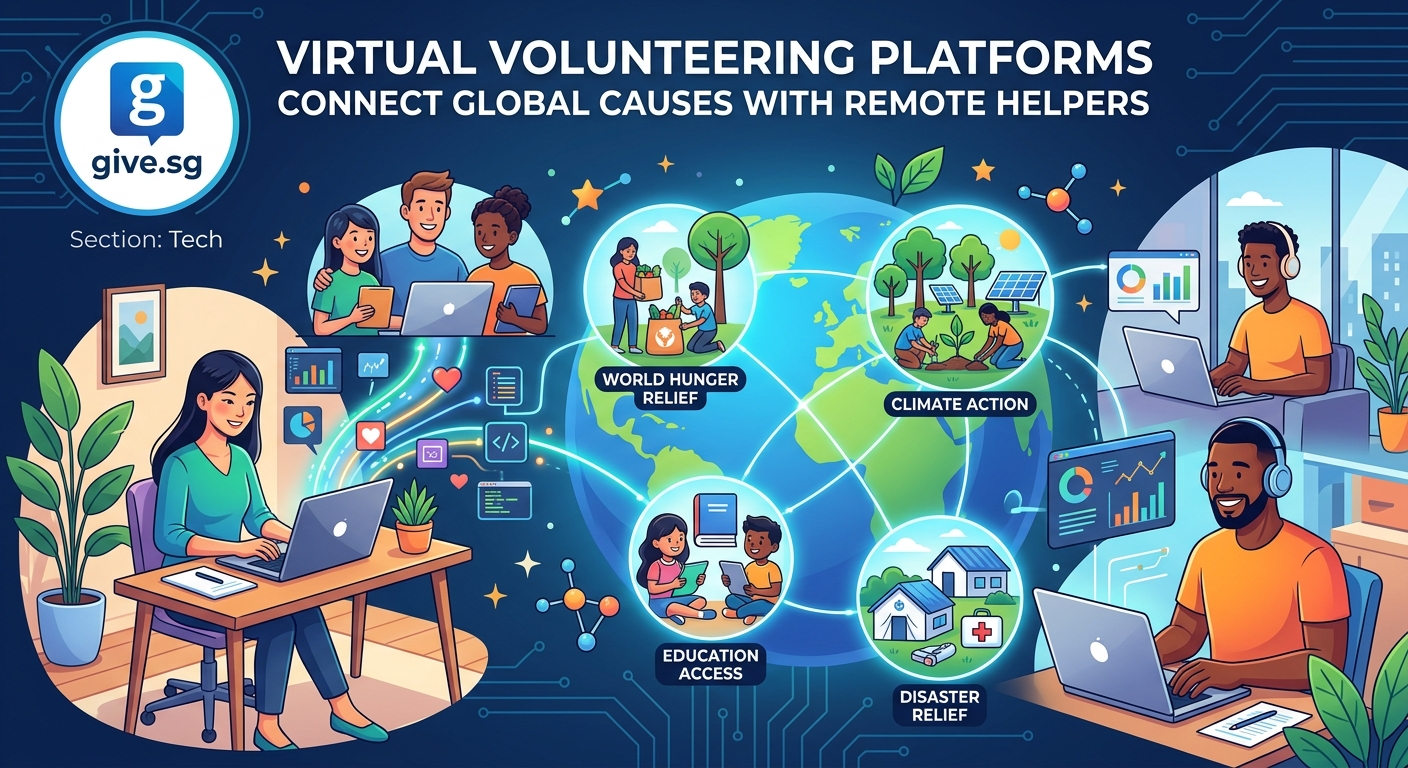
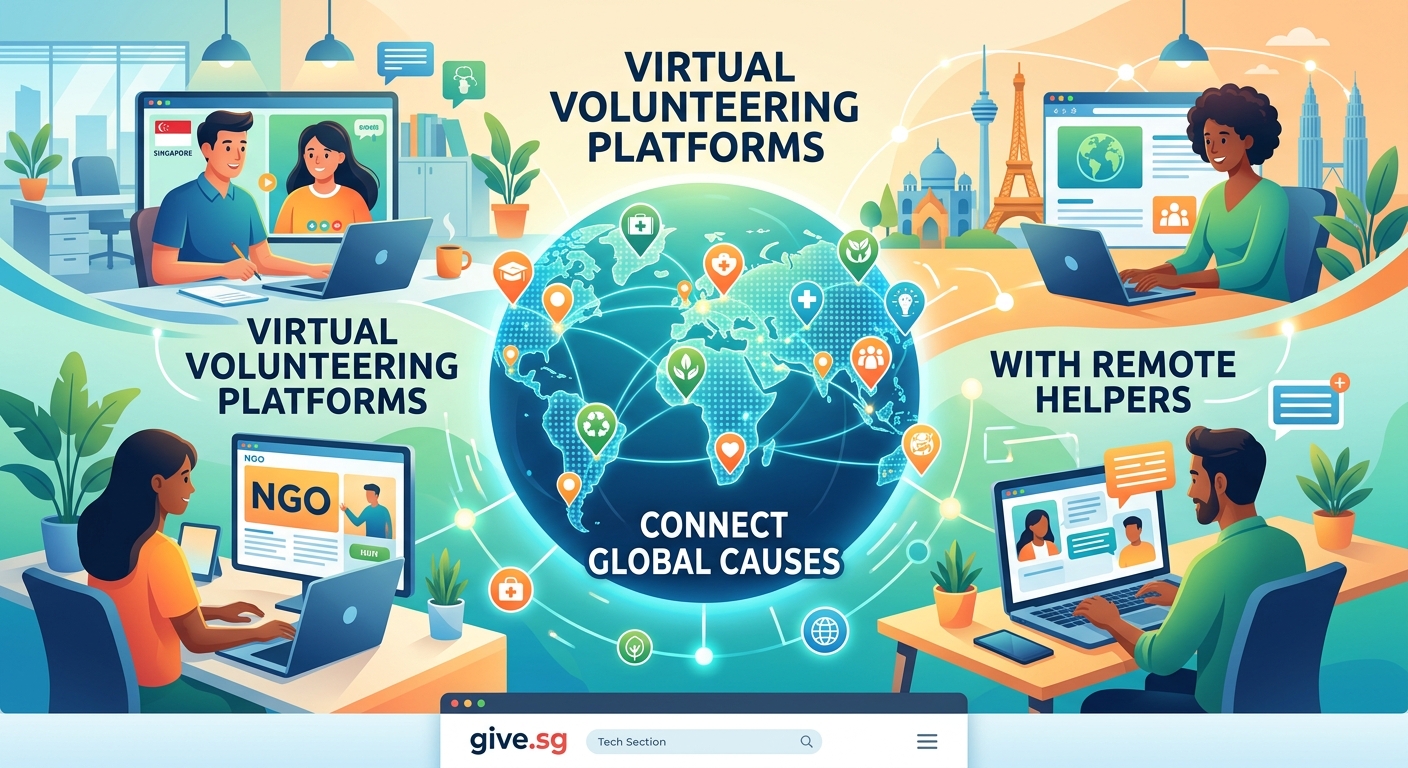
Making a difference doesn’t require a passport or a commute. Virtual volunteering platforms connect you with meaningful causes around the world, right from your couch. Whether you have two hours on a Sunday or want to commit to a regular schedule, these digital tools match your skills with organizations that need them most.
Virtual volunteering platforms let you contribute professional skills or personal passions to global causes without leaving home. From translating documents to mentoring students, these platforms match volunteers with nonprofits based on availability, expertise, and interests. Most opportunities require only an internet connection and a few hours per week, making impact accessible to anyone with time constraints or mobility limitations.
How Virtual Volunteering Platforms Work
Most platforms follow a similar structure. You create a profile highlighting your skills, interests, and availability. The system then matches you with organizations seeking those exact capabilities.
Some platforms focus on skills-based volunteering. Think graphic design, web development, marketing strategy, or financial planning. Others emphasize cause-driven work like tutoring, crisis counseling, or language translation.
The matching process varies by platform. Some use automated algorithms that suggest projects based on your profile. Others let you browse open opportunities and apply directly. A few assign coordinators who personally connect volunteers with organizations.
Time commitments range widely. Micro-volunteering tasks might take 15 minutes. Ongoing projects could require several hours weekly for months. Most platforms let you filter by time investment before committing.
Here’s what typically happens after you sign up:
- Complete your profile with skills, interests, and availability
- Browse opportunities or receive personalized matches
- Apply or accept assignments that fit your schedule
- Complete an orientation or training session
- Start contributing through video calls, shared documents, or platform tools
- Track your hours and impact through the dashboard
Top Features to Look For
Not all platforms offer the same experience. Some shine in specific areas while others provide broader options.
| Feature | Why It Matters | What to Avoid |
|---|---|---|
| Skill matching | Ensures your expertise gets used effectively | Generic volunteer listings without skill filters |
| Flexible scheduling | Lets you volunteer around work and family | Rigid time commitments without warning |
| Impact tracking | Shows tangible results from your efforts | Vague descriptions of how work helps |
| Nonprofit vetting | Confirms organizations are legitimate | Unverified causes or unclear missions |
| Communication tools | Keeps you connected with teams remotely | Platforms requiring external coordination |
| Mobile access | Allows volunteering from anywhere | Desktop-only interfaces |
The best platforms make onboarding simple. You shouldn’t need to spend hours figuring out how to start helping. Clear instructions, responsive support, and intuitive interfaces matter.
Vetting processes protect both volunteers and nonprofits. Reputable platforms verify organizations before listing them. They also screen volunteers for sensitive roles like mentoring or crisis support.
Skills-Based Platforms Worth Checking
Catchafire connects professionals with nonprofits needing specific expertise. Marketing managers help with campaign strategy. Accountants assist with budgeting. Lawyers review contracts. Projects typically run four to eight hours total.
Taproot Foundation focuses on pro bono consulting. Teams of volunteers work together on major initiatives like branding overhauls or technology implementations. These commitments run deeper, often spanning several months.
We Make Change pairs professionals with impact startups. You might spend three hours advising a founder on growth strategy or product development. The platform emphasizes short, high-value contributions.
LinkedIn Volunteer Marketplace integrates volunteering into professional networking. Companies post opportunities, and employees can apply through their existing profiles. This works especially well for corporate volunteer programs.
“The most effective virtual volunteering happens when platforms match specific skills to concrete needs. Generic help rarely creates lasting impact. Precision matching transforms both the volunteer experience and organizational outcomes.”
Cause-Driven Platforms for Passion Projects
United Nations Volunteers offers opportunities across development sectors. You might research climate solutions, translate human rights documents, or support refugee education programs. Assignments vary from one-time tasks to year-long commitments.
Crisis Text Line trains volunteers to provide mental health support via text message. Training takes about 30 hours, then you commit to one four-hour shift weekly. The work demands emotional resilience but creates immediate impact.
Be My Eyes connects sighted volunteers with blind and low-vision users through video calls. Someone might need help reading a recipe, matching clothes, or navigating a new space. Calls typically last just a few minutes.
Translators Without Borders needs language skills for humanitarian work. You translate documents, subtitles, or communications for crisis response and development projects. Even an hour of translation helps.
Smithsonian Digital Volunteers transcribe historical documents, making archives accessible. You might work on Civil War letters, biodiversity specimen labels, or field notes from scientific expeditions. Perfect for history buffs with flexible schedules.
Platforms for Teaching and Mentoring
Career Village lets professionals answer career questions from students. You might explain what a day looks like in your field or how you landed your first job. Responses take five to ten minutes.
Learn to Be pairs volunteer tutors with students from under-resourced communities. Sessions happen over video chat, focusing on homework help and academic support. You commit to one hour weekly during the school year.
Mentor Collective facilitates structured mentoring relationships. Universities and nonprofits use the platform to connect students with professionals in their fields. Mentors typically meet with mentees monthly for a semester or year.
Reading Partners trains volunteers to tutor elementary students in literacy. You work one-on-one with a child for 45 minutes weekly. The platform provides curriculum and tracks student progress.
Micro-Volunteering for Tight Schedules
Some platforms specialize in bite-sized tasks that fit into coffee breaks or commutes.
- Tag photos to train AI for medical research (five minutes)
- Transcribe podcast episodes for accessibility (15 minutes)
- Review grant applications for small nonprofits (30 minutes)
- Provide feedback on educational materials (20 minutes)
- Moderate online communities for support groups (varies)
Zooniverse offers citizen science projects. You might classify galaxies, identify animals in camera trap photos, or transcribe weather observations. Each task takes seconds to minutes.
Amnesty Decoders mobilizes volunteers for human rights research. You analyze satellite imagery, decode documents, or verify information. Work happens through a mobile app in small chunks.
Choosing the Right Platform for You
Start by identifying what you want to give. Time? Specific skills? General support?
Consider your schedule honestly. A platform requiring weekly video calls won’t work if you travel constantly for work. Asynchronous tasks suit unpredictable schedules better.
Think about causes that genuinely matter to you. Passion sustains volunteer work when motivation dips. Generic interest fades faster than personal connection.
Test a few platforms before committing deeply. Many let you complete one-off tasks before requiring ongoing involvement. This trial period reveals whether the experience matches expectations.
Pay attention to how organizations communicate. Do they provide clear instructions? Respond to questions promptly? Show appreciation for contributions? These details indicate whether you’ll feel valued.
Check impact reporting. The best platforms show how your work contributes to larger goals. Seeing tangible results keeps volunteers engaged over time.
Making the Most of Your Virtual Volunteering
Set boundaries early. Virtual work easily bleeds into personal time without physical separation. Decide how many hours you can sustainably contribute and stick to that limit.
Treat volunteer commitments like paid work. Show up on time for video calls. Meet deadlines for deliverables. Communicate proactively if circumstances change. Nonprofits depend on volunteers following through.
Ask for feedback. Organizations often hesitate to critique volunteer work, but constructive input helps you improve. Request specific suggestions after completing projects.
Build relationships with other volunteers. Many platforms offer community forums or social features. Connecting with people who share your values enriches the experience beyond the tasks themselves.
Track your contributions. Most platforms offer dashboards showing hours logged and projects completed. This record helps when updating resumes or applying for jobs that value community involvement.
Consider progression. Some volunteers start with simple tasks, then take on more complex projects as they gain experience. Others train to become volunteer coordinators or board members.
Common Challenges and Solutions
Technical issues happen. Video calls freeze. File uploads fail. Platforms crash. Have backup communication methods ready. Exchange email addresses or phone numbers with coordinators.
Mismatched expectations frustrate both sides. Clarify deliverables, timelines, and communication preferences upfront. Ask questions until you fully understand what success looks like.
Scope creep affects volunteer projects just like paid work. Organizations sometimes ask for more than initially discussed. Politely redirect conversations back to original agreements or renegotiate terms explicitly.
Burnout sneaks up on passionate volunteers. The flexibility of remote work makes it easy to overcommit. Watch for signs like dreading tasks you once enjoyed or feeling resentful about time spent volunteering.
Isolation can dampen enthusiasm. Working alone from home lacks the energy of group volunteering. Seek platforms with strong community features or organize virtual meetups with fellow volunteers.
Your Skills Matter More Than You Think
Professional expertise holds obvious value. Nonprofits desperately need marketing, accounting, legal, and technology skills they can’t afford to hire.
But everyday abilities matter too. You don’t need specialized training to make a difference. Can you read? Transcription projects need you. Speak multiple languages? Translation platforms want your help. Comfortable on video calls? Mentoring opportunities await.
Life experience counts as expertise. Parents can tutor students. Pet owners can foster animals remotely by coordinating adoptions. Travelers can provide cultural insights for international programs. Retirees can share career wisdom with young professionals.
The platforms exist. The causes need help. Your schedule has gaps, even if they’re small. Matching those three elements creates impact that ripples further than you’ll ever see.
Start with one project. See how it feels. Adjust from there. Making the world better doesn’t require grand gestures. Sometimes it just takes logging in.