 By chloe
Finding the right volunteer opportunity shouldn’t feel like throwing darts in the dark. Too many people browse endless listings, feel overwhelmed, and never actually sign up. Or worse, they commit to something that doesn’t fit and quit after one shift. The truth is, meaningful volunteer work starts with knowing yourself first, then matching that knowledge to real needs in your community.
Finding volunteer opportunities that truly fit requires self-assessment before searching. Start by identifying your skills, interests, and time availability. Then use specialized platforms, local networks, and direct outreach to nonprofits. Match your strengths to community needs, test opportunities through trial shifts, and commit to roles where you can create measurable impact while staying engaged long term.
Start with honest self-assessment
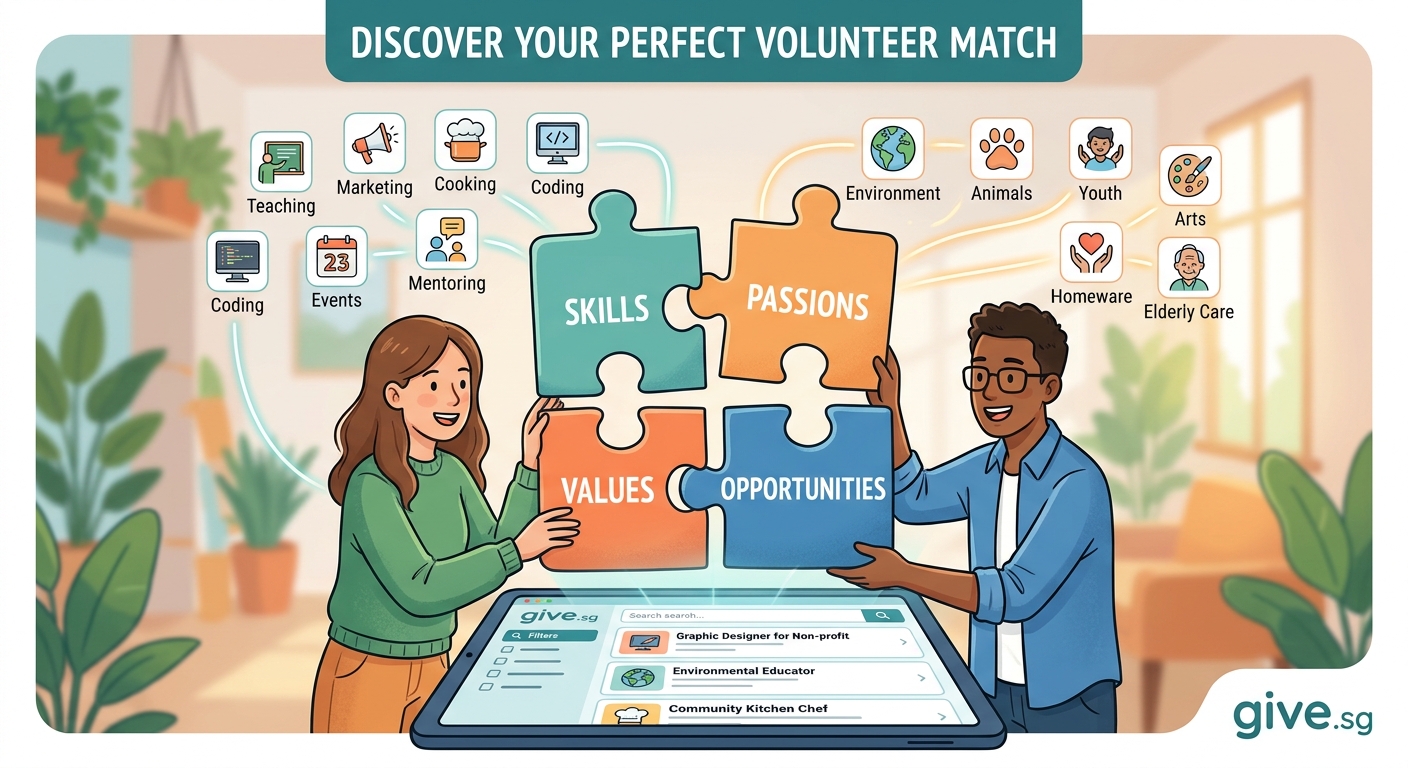
Before you open a single volunteer website, grab a notebook. Write down three categories: what you’re good at, what you care about, and what you have time for.
Your skills matter more than you think. Can you write clearly? Build websites? Teach math? Speak multiple languages? Cook for groups? Fix bikes? Every skill translates to volunteer value somewhere.
Your interests keep you showing up. If you hate being indoors, office admin work will drain you. If you love animals but feel awkward around people, a literacy program might not stick. Be honest about what energizes you versus what sounds good on paper.
Your schedule sets realistic boundaries. A weekly three-hour commitment differs vastly from a one-day event or a flexible remote project. Know your limits before you browse.
“The volunteers who stay longest are those who found a role that uses skills they already enjoy practicing. They’re not forcing themselves to show up. They’re doing something that feels natural, just in service of others.” – Volunteer coordinator at a community food bank
Map your skills to actual needs
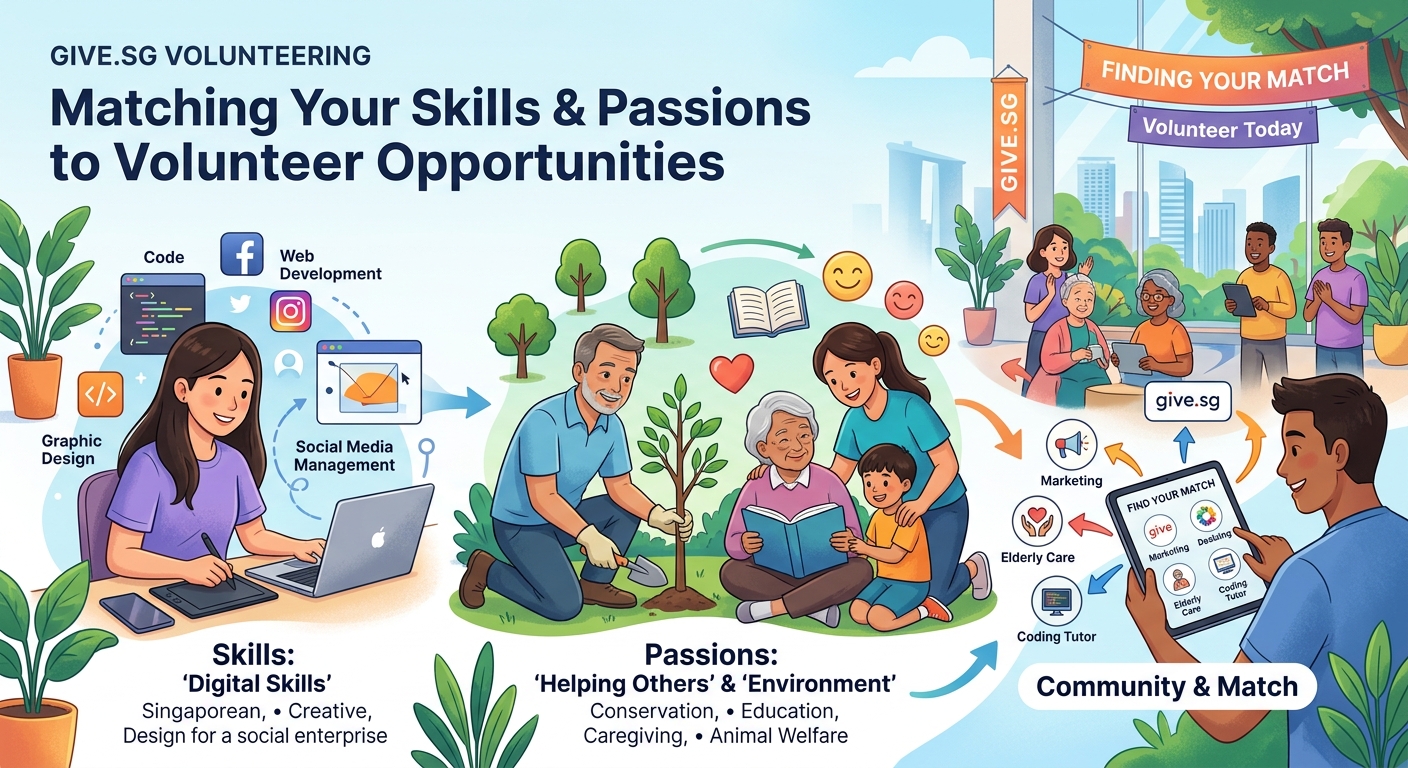
Once you know yourself, think about problems you see around you. Not abstract global issues, but concrete local needs.
Someone who codes can build websites for small nonprofits drowning in outdated tech. Someone who loves gardening can teach urban kids how to grow vegetables. Someone with accounting experience can help community centers untangle their books.
The best matches happen when your existing abilities solve real problems. You don’t need to learn a whole new skill set. You need to redirect what you already know toward a cause that matters.
Here’s a simple framework:
| Your strength | Potential volunteer role | Where to look |
|---|---|---|
| Writing and editing | Grant writing, newsletter content, social media | Literacy programs, advocacy groups |
| Teaching or tutoring | After-school programs, adult education | Schools, libraries, community centers |
| Hands-on building | Home repairs, community gardens, trail maintenance | Habitat for Humanity, parks departments |
| Event planning | Fundraisers, awareness campaigns, community festivals | Any nonprofit hosting public events |
| Professional services | Legal aid, tax prep, career coaching | Legal clinics, financial literacy nonprofits |
Use the right search tools
Generic internet searches return overwhelming results. You need platforms designed specifically for connecting volunteers with opportunities.
National platforms like VolunteerMatch, Idealist, and Points of Light let you filter by location, cause, and time commitment. These sites aggregate thousands of listings and allow nonprofits to post detailed role descriptions.
Local volunteer centers exist in most cities. They know which organizations need help right now and can match you based on a conversation, not just a keyword search. Call or visit in person for better results than browsing alone.
Specialized platforms serve specific interests. Catchafire focuses on skills-based virtual volunteering for professionals. DoSomething targets younger volunteers looking for social impact projects. Create the Good connects older adults with age-friendly opportunities.
Don’t ignore direct outreach. If you already know an organization doing work you admire, visit their website and look for a “Get Involved” or “Volunteer” page. Many groups need help but don’t actively post on big platforms.
Test before you commit
Think of your first volunteer shift like a first date. You’re both figuring out if this works.
Most organizations offer orientation sessions or trial projects. Take them seriously. Pay attention to how the staff treats volunteers, whether the work matches the description, and how you feel during and after.
Ask questions that matter:
- What does a typical shift look like?
- Who will I work with directly?
- What training or support do you provide?
- How do you measure impact?
- What happens if this isn’t the right fit?
Good organizations want volunteers who stay. They’ll be honest about challenges and help you find the right role, even if it’s not the first one you try.
If something feels off, it probably is. Maybe the commute is longer than you expected. Maybe the work is more administrative than hands-on. Maybe the culture doesn’t match your style. That’s valuable information, not failure.
Follow a step-by-step search process
Here’s a practical sequence that works better than random browsing:
- List three causes you care about and three skills you enjoy using.
- Search one specialized platform using those filters.
- Read five full opportunity descriptions, not just titles.
- Contact two organizations to ask follow-up questions.
- Attend one orientation or trial shift.
- Reflect on the experience before committing to a regular schedule.
- If it doesn’t fit, repeat with different filters or platforms.
This process prevents overwhelm and keeps you moving forward. You’re not trying to find the perfect opportunity in one sitting. You’re gathering information and testing options.
Recognize common search mistakes
Many aspiring volunteers sabotage themselves without realizing it. Here are patterns to avoid:
Waiting for the perfect match. No opportunity will check every box. Look for 70% alignment, not 100%.
Ignoring logistics. A cause you love located 45 minutes away might not survive your schedule long term. Geography matters.
Underestimating time commitment. “Just a few hours a week” adds up. Be realistic about what you can sustain for months, not days.
Skipping the research phase. Reading an organization’s mission statement tells you almost nothing about day-to-day volunteer work. Talk to current volunteers if possible.
Choosing based on resume value. If you’re only volunteering to pad your CV, you’ll quit when it gets hard. Pick something you’d do even if no one knew about it.
Tap into personal networks
Sometimes the best opportunities come through people you already know.
Ask friends where they volunteer. Personal recommendations come with insider knowledge about culture, time expectations, and whether the organization actually values its volunteers.
Check community bulletin boards at libraries, coffee shops, and community centers. Local groups often post physical flyers that never make it online.
Follow nonprofits on social media. Many announce urgent needs or special projects through Facebook, Instagram, or LinkedIn before creating formal listings.
Attend community events. Festivals, fundraisers, and town halls bring together people already engaged in local causes. Conversations at these events often lead to volunteer connections.
Consider different commitment styles
Not everyone wants or needs the same volunteer structure. Match your personality and schedule to the right format.
Ongoing roles work for people who thrive on routine. Weekly shifts at a food pantry or monthly board meetings create rhythm and deeper relationships.
Project-based opportunities suit those with unpredictable schedules. Help with a specific event, campaign, or seasonal need, then step back.
Skills-based volunteering lets professionals donate expertise remotely. Nonprofits need strategic planning, marketing audits, or website redesigns without requiring physical presence.
Group volunteering appeals to people who want social connection alongside service. Bring friends, family, or coworkers to team-based projects.
Micro-volunteering breaks work into tiny tasks you complete in minutes from your phone. Tag photos for historical archives, translate short texts, or provide feedback on draft materials.
Evaluate organizational health
A volunteer opportunity is only as good as the organization behind it. Look for these signs of a well-run group:
- Clear role descriptions with specific tasks
- Designated volunteer coordinator or point person
- Structured onboarding and training
- Regular communication about impact
- Respect for your time and boundaries
- Opportunities to provide feedback
- Recognition of volunteer contributions
Red flags include constant last-minute requests, unclear expectations, high volunteer turnover, or staff that seem disorganized and stressed. Your time is valuable. Give it to organizations that treat it that way.
Think about growth and learning
The best volunteer experiences teach you something while you contribute. Maybe you’ll develop new technical skills, understand a social issue more deeply, or build confidence in areas where you felt uncertain.
Ask potential organizations about learning opportunities. Do they offer training? Will you work alongside professionals in a field you’re curious about? Can you take on more responsibility over time?
Some people volunteer specifically to test career paths. Want to know if teaching is right for you? Tutor at an after-school program. Curious about healthcare? Volunteer at a clinic or hospital. These experiences cost nothing but time and provide insights no amount of research can match.
Stay flexible as needs change
Your first volunteer role probably won’t be your last. Life changes. Interests shift. New skills develop.
Check in with yourself every few months. Does this still energize you? Are you making the impact you hoped for? Has your schedule changed in ways that make this commitment harder?
It’s okay to move on. Good organizations understand that volunteer relationships have natural lifecycles. Give proper notice, help train your replacement if possible, and leave on good terms.
Many people cycle through several volunteer roles before finding one that sticks long term. That’s normal. Each experience teaches you more about what works for you.
Make your search work for you
Finding volunteer opportunities that truly fit takes more effort upfront than just signing up for the first thing you see. But that investment pays off in sustained engagement, real impact, and personal satisfaction.
Start with self-knowledge. Use the right tools. Test before committing. Stay honest about what works and what doesn’t. The goal isn’t to volunteer somewhere, anywhere. It’s to find a role where your unique combination of skills, interests, and availability creates value for others while keeping you engaged.
When the match is right, volunteering stops feeling like an obligation and starts feeling like a meaningful part of your life. That’s when you know you’ve found it.