 By chloe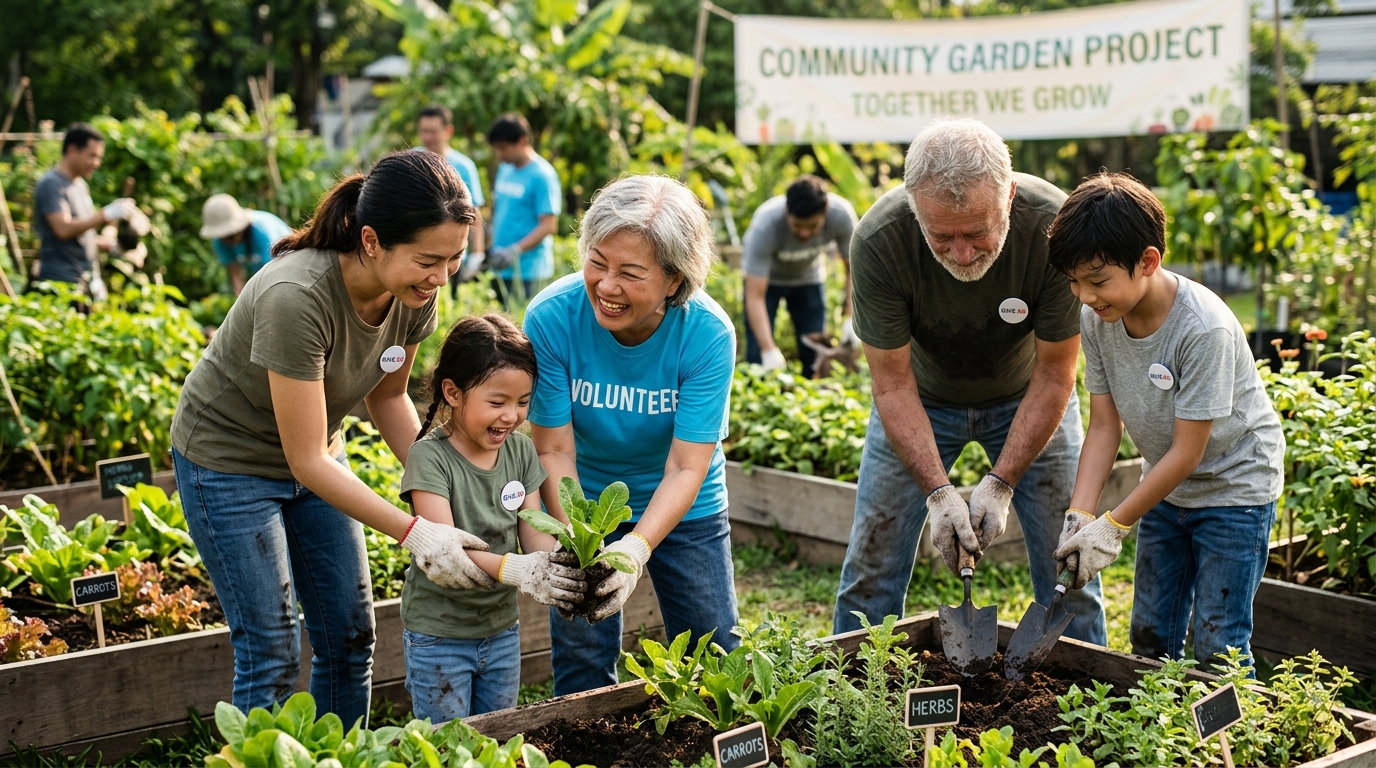
Getting your whole family involved in service work creates memories that last longer than any vacation photo. When you bring together toddlers, teens, parents, and grandparents for a shared purpose, something magical happens. Everyone contributes at their own level, and the youngest members learn that helping others is simply what families do.
Family volunteering works best when activities match each age group’s abilities. Toddlers can sort donations, elementary kids can pack meals, teens can lead projects, and grandparents can share skills. Multi-generational service builds [empathy](https://www.nih.gov/news-events/nih-research-matters/understanding-empathy), strengthens family bonds, and teaches children that giving back is a lifelong practice. Start with simple activities and build from there.
Why age matters in family service projects
Not every volunteer opportunity works for every age. A three-year-old can’t safely work at a food bank assembly line. A teenager will feel patronized sorting crayons for an hour.
Matching activities to developmental stages keeps everyone engaged. Younger children need hands-on tasks they can complete in short bursts. Older kids want responsibility and visible impact. Adults appreciate meaningful work that uses their skills.
The best family volunteering happens when each person feels genuinely helpful. That means choosing projects where a toddler’s contribution matters just as much as a grandparent’s expertise.
Activities for toddlers and preschoolers (ages 2-5)
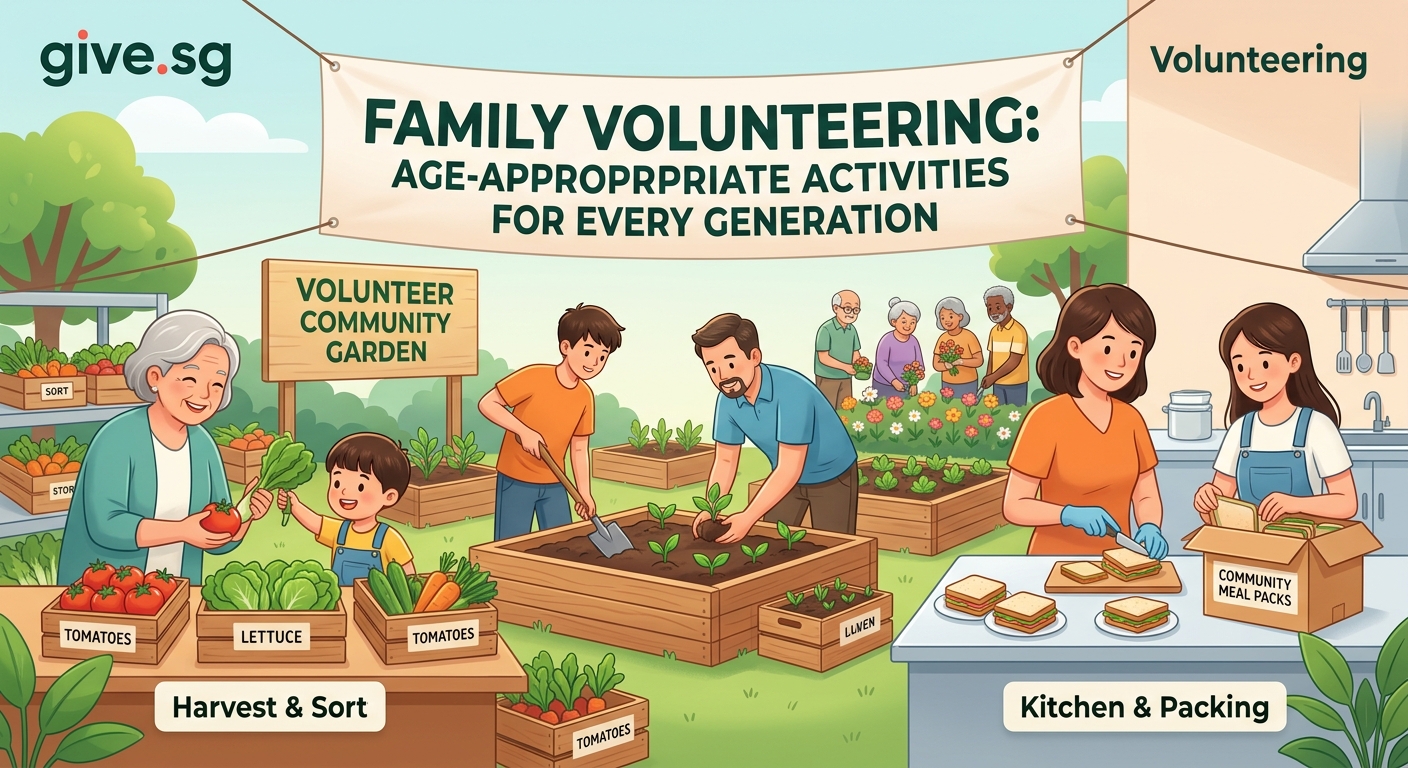
Very young children learn through repetition and sensory experience. They need activities that feel like play but serve a real purpose.
Donation sorting: Set up bins for gently used toys, books, or clothes. Let your toddler place items in the correct container. They practice sorting skills while preparing donations for families in need.
Card making: Provide washable markers, stickers, and construction paper. Help your preschooler create cheerful cards for nursing home residents or hospital patients. The artwork doesn’t need to be perfect. Recipients treasure the effort.
Park cleanup: Give your young child a small bag and point out litter they can safely collect. Avoid broken glass or sharp objects. This works best in playgrounds or nature areas your family already visits.
Pet shelter visits: Some animal shelters welcome families to read books to cats or sit quietly near kennels. Your toddler’s presence helps socialize animals waiting for adoption. Check age policies before you go.
Baking for neighbors: Let your preschooler stir batter, press cookie cutters, or arrange treats on a plate. Deliver the finished goods to elderly neighbors or new families on your street.
Keep these sessions under 30 minutes. Young children tire easily, and you want volunteering to feel fun, not exhausting.
Projects for elementary school children (ages 6-10)
Kids in this age range can follow multi-step instructions and work independently for longer periods. They start understanding that their actions affect others.
Food bank assistance: Many food banks accept families with school-age children. Kids can pack boxes, organize canned goods by type, or load bags for distribution. The physical work keeps them engaged.
Community garden work: Planting, weeding, and harvesting give children a tangible connection to food production. Gardens that donate produce to local shelters make the impact clear.
Beach or trail maintenance: Older elementary students can handle grabbers, work gloves, and heavier bags. They enjoy the treasure hunt aspect of finding hidden trash.
Reading buddies: If your child reads confidently, pair them with a younger child at a library program or after-school center. The role reversal boosts their confidence.
Supply drives: Let your elementary-age child organize a collection at school or in your neighborhood. They can make flyers, sort donations, and help deliver items. Ownership of the project teaches leadership.
Blanket tying: No-sew fleece blankets require cutting fringe and tying knots. Kids this age can complete several blankets in an afternoon for homeless shelters or hospitals.
These activities work well because children see immediate results. They packed 50 boxes. They filled 10 trash bags. They made 8 blankets. Concrete numbers matter at this stage.
Opportunities for preteens and middle schoolers (ages 11-13)
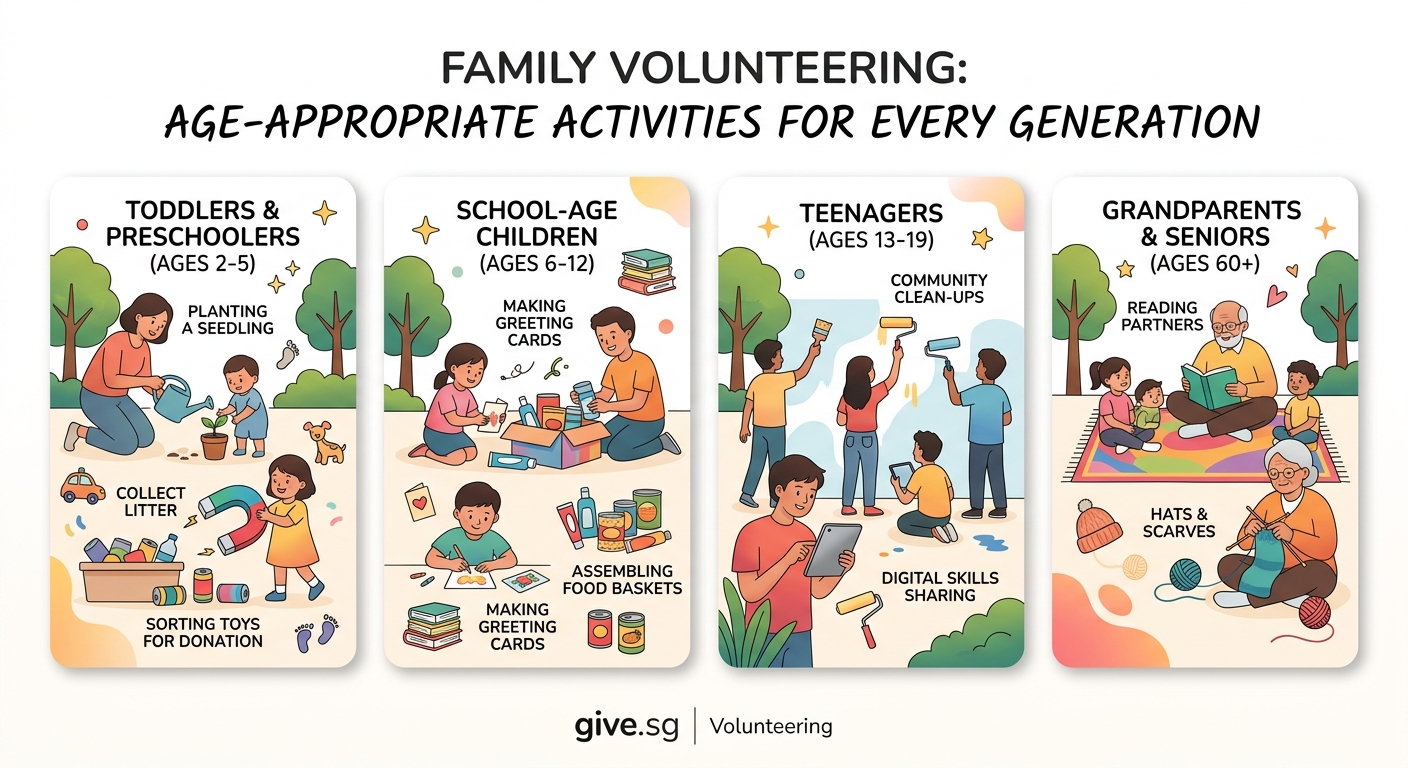
Preteens crave independence and meaningful responsibility. They notice social issues and want to make a difference.
Meal packing events: Organizations that package meals for international hunger relief often welcome middle school volunteers. The assembly line format lets kids work alongside adults as equals.
Tutoring younger students: Your preteen can help elementary kids with homework at community centers or libraries. The age gap is small enough to feel relatable but large enough to establish mentorship.
Technology assistance: Middle schoolers can teach seniors how to use smartphones, video calls, or email. Their patience with technology makes them ideal teachers for older adults.
Fundraising campaigns: Let your preteen plan a bake sale, car wash, or online campaign for a cause they care about. They handle logistics, marketing, and money management with your guidance.
Animal shelter work: Many shelters accept volunteers starting at age 12 or 13. Tasks include walking dogs, socializing cats, cleaning kennels, and updating adoption profiles.
Clothing drives: Preteens can organize collection bins, sort items by size and season, and help distribute clothes to families. The logistics challenge appeals to their growing organizational skills.
This age group benefits from seeing the bigger picture. Explain how their two hours of tutoring helps a child stay on grade level. Connect the dots between small actions and large outcomes.
Roles for teenagers (ages 14-18)
Teens can handle nearly any adult volunteer role. They bring energy, tech skills, and fresh perspectives.
Event leadership: Put your teenager in charge of planning a family volunteer day. They choose the activity, coordinate schedules, and manage logistics. Real responsibility builds confidence.
Construction projects: Habitat for Humanity and similar organizations welcome teen volunteers for building days. Physical work appeals to active teenagers, and they love seeing a house take shape.
Mentoring programs: Older teens can mentor middle schoolers through formal programs. They remember recent struggles and offer relatable advice.
Disaster relief: When your community faces flooding, fires, or storms, teenagers can help with cleanup, supply distribution, or administrative support. Crisis response teaches resilience.
Advocacy work: Teens can write letters to elected officials, organize awareness campaigns, or speak at community meetings. Their voices carry weight on youth-focused issues.
Skills-based volunteering: If your teen excels at graphic design, coding, writing, or photography, connect them with nonprofits needing those skills. Professional-level contributions feel more meaningful than busywork.
Teenagers also make excellent bridges between generations. They can translate technology for grandparents while explaining historical context to younger siblings during service projects.
Ways grandparents can contribute
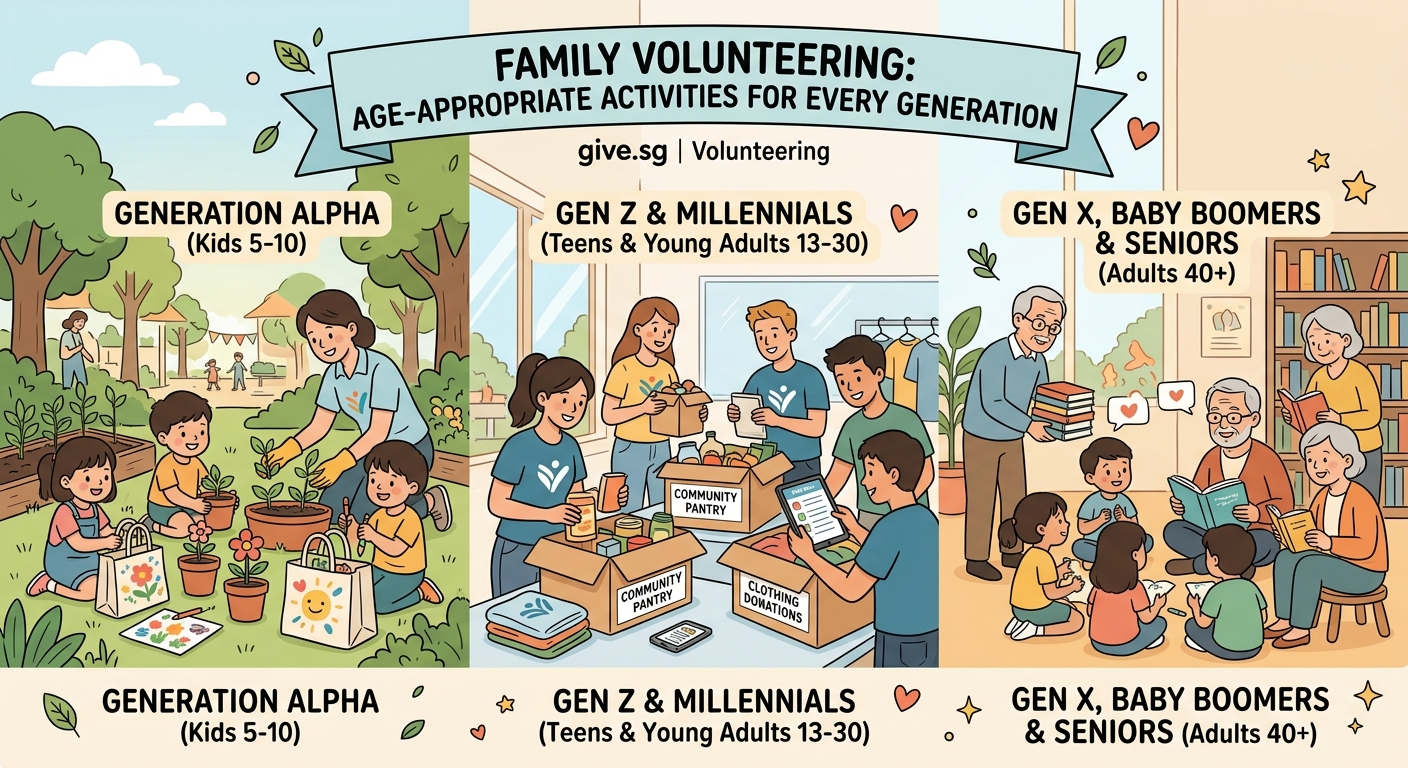
Older adults bring wisdom, patience, and specialized skills that younger volunteers lack.
Storytelling programs: Grandparents can share personal histories at schools, libraries, or senior centers. Oral history projects preserve community memory while connecting generations.
Craft instruction: Teaching knitting, woodworking, quilting, or other traditional skills passes down knowledge. Community centers and youth programs often need instructors.
Foster grandparent programs: Formal programs match seniors with children who need additional support in schools or care facilities. The relationships benefit both sides.
Financial mentoring: Grandparents with business or budgeting experience can teach financial literacy to young adults or help nonprofits with bookkeeping.
Garden expertise: Experienced gardeners can advise community gardens, school plots, or therapeutic gardens at care facilities.
Transportation assistance: Driving other seniors to medical appointments or grocery shopping addresses a critical need in many communities.
Grandparents often have flexible schedules that allow for weekday volunteering when other family members work or attend school. Weekend projects bring everyone together, while grandparents maintain their own service commitments during the week.
Finding projects everyone can do together
Some activities naturally accommodate all ages working side by side.
| Activity Type | Toddler Role | Elementary Role | Teen Role | Grandparent Role |
|---|---|---|---|---|
| Food drive | Carry light items | Sort by category | Load vehicle | Organize delivery |
| Park cleanup | Pick up paper | Fill trash bags | Use grabbers for hard-to-reach spots | Supervise safety |
| Care packages | Add small items | Follow packing list | Seal and label boxes | Write encouraging notes |
| Painting project | Stir paint | Paint low areas | Paint high areas | Plan color scheme |
| Bake sale | Stir ingredients | Decorate treats | Manage money | Share recipes |
The key is assigning roles that challenge each person without overwhelming them. Rotate tasks so everyone tries different responsibilities.
How to start your family volunteering practice
Beginning a regular service routine takes intention but doesn’t require complicated planning.
-
Hold a family meeting: Ask each person what causes matter to them. Animals? Hunger? Education? Environment? Find overlap in your interests.
-
Start small: Commit to one activity per month rather than weekly obligations. Consistency matters more than frequency when building a new habit.
-
Choose nearby locations: Driving an hour each way exhausts young children and eats into actual service time. Stay within 20 minutes of home for regular activities.
-
Prepare everyone: Explain what will happen, how long it takes, and what they’ll do. Surprises create anxiety, especially for younger children.
-
Debrief afterward: Talk about what everyone noticed, felt, and learned. These conversations cement the experience and build emotional intelligence.
-
Track your impact: Keep a simple log of hours served and projects completed. Watching the numbers grow motivates continued participation.
“The best time to start volunteering as a family is when your children are young enough that service feels normal, not exceptional. If you wait until they’re teenagers, you’re fighting against established patterns. But it’s never too late to begin. Even one shared experience can shift family culture.”
Common obstacles and practical solutions
Most families encounter the same barriers when starting volunteer work together.
Scheduling conflicts: Between work, school, sports, and activities, finding common free time feels impossible. Solution: Block one Saturday morning per month on everyone’s calendar at the start of each season. Treat it like any other commitment.
Resistance from kids: Children might complain that volunteering sounds boring. Solution: Let them choose the first activity. Ownership increases buy-in. After they try it once, they often change their minds.
Age restrictions: Many organizations set minimum ages for volunteers. Solution: Call ahead and explain you’re a family group. Some places make exceptions or suggest family-friendly alternatives.
Feeling unqualified: Parents worry they don’t know enough about nonprofits or causes. Solution: Start with activities requiring no special skills. Picking up trash, sorting donations, and packing meals need only willing hands.
Inconsistency: Life gets busy, and volunteering falls off the calendar. Solution: Link service to existing routines. Volunteer the morning before holiday gatherings. Make it part of birthday celebrations. Attach it to something that already happens.
Benefits beyond the obvious
Regular family volunteering creates unexpected advantages.
Children who serve alongside parents develop stronger empathy. They see needs beyond their immediate world and recognize their power to help.
Families build shared stories. “Remember when we painted that community center?” becomes part of your collective memory, strengthening bonds.
Kids gain perspective on their own circumstances. Volunteering exposes them to different life situations, which often increases gratitude for what they have.
Teenagers discover potential career paths. A teen who loves working at an animal shelter might pursue veterinary medicine. One who excels at tutoring might consider education.
Grandparents stay mentally and physically active. Regular service commitments provide structure, social connection, and purpose during retirement years.
Parents model values more effectively than any lecture. Children internalize what they see you do far more than what they hear you say.
Age-specific tips for success
For families with toddlers: Bring snacks, plan bathroom breaks, and have an exit strategy if meltdowns happen. Don’t force it. Try again next month.
For families with elementary kids: Let them bring a friend. Service feels more fun with a buddy, and you expose another family to volunteering.
For families with teens: Give them space to work independently while staying on site. They need autonomy but appreciate knowing you’re nearby.
For multigenerational groups: Assign a teen to stay with toddlers, freeing adults and grandparents for tasks requiring more focus. Rotate the childcare duty so everyone gets time for different work.
For families with special needs members: Many organizations accommodate various abilities. Explain your family’s needs when you call, and they’ll suggest appropriate tasks.
Building a lifelong habit
The goal isn’t perfect attendance at every volunteer opportunity. It’s raising children who see service as a normal part of life.
Some months you’ll volunteer twice. Other months, illness or work travel will interfere. That’s fine. The pattern matters more than any single event.
As children grow, their interests and abilities change. The activities that worked when they were six won’t appeal at sixteen. Stay flexible and let your volunteering evolve with your family.
Track milestones together. Celebrate when you reach 100 hours of service or complete your 20th project. Acknowledging progress reinforces the habit.
Consider making service part of holiday traditions. Volunteer on Thanksgiving morning before the feast. Pack care packages during December instead of only exchanging gifts. Tie giving back to celebrations your family already values.
Making service stick across generations
The families who maintain long-term volunteering practices share common traits. They talk about service as “what we do,” not “what we should do.” They give children real responsibility appropriate to their age. They choose causes that genuinely matter to family members rather than obligations that feel like chores.
Your family’s service practice will look different from your neighbor’s, and that’s exactly right. Find activities that fit your values, schedules, and abilities. Start where you are. Use what you have. Do what you can.
Years from now, your children will remember the nursing home resident who loved their drawings. The park that looked cleaner after your family worked together. The meals they packed for families facing hunger. These memories shape who they become.
Volunteering across generations isn’t about checking boxes or earning community service hours. It’s about building a family identity rooted in compassion, action, and shared purpose. One afternoon at a time, you’re teaching the next generation that their hands can help, their presence matters, and their family stands for something bigger than itself.