 By chloe
Volunteering for the first time feels exciting and a little nerve-wracking. You want to help, but you’re not sure what to expect or how to prepare. The good news? Thousands of people step into their first volunteer role every day, and most find it easier and more rewarding than they imagined.
First time volunteers succeed by choosing causes they care about, asking clear questions before committing, starting small, and showing up prepared. Understanding basic expectations, communicating openly with coordinators, and reflecting on your experience helps you build confidence and create lasting impact. Most organizations welcome beginners and provide training to help you contribute meaningfully from day one.
Why your first volunteer experience matters
Your first volunteer shift sets the tone for everything that follows. A positive experience builds confidence and often leads to ongoing involvement. A confusing or overwhelming start might make you hesitate before trying again.
Organizations want you to succeed. They invest time training volunteers because your contribution genuinely helps them achieve their mission. When you show up prepared and engaged, everyone benefits.
Most people worry they lack skills or experience. That’s normal. Many volunteer roles require nothing more than enthusiasm, reliability, and a willingness to learn. Organizations match tasks to your comfort level, especially when you’re starting out.
Finding the right volunteer opportunity
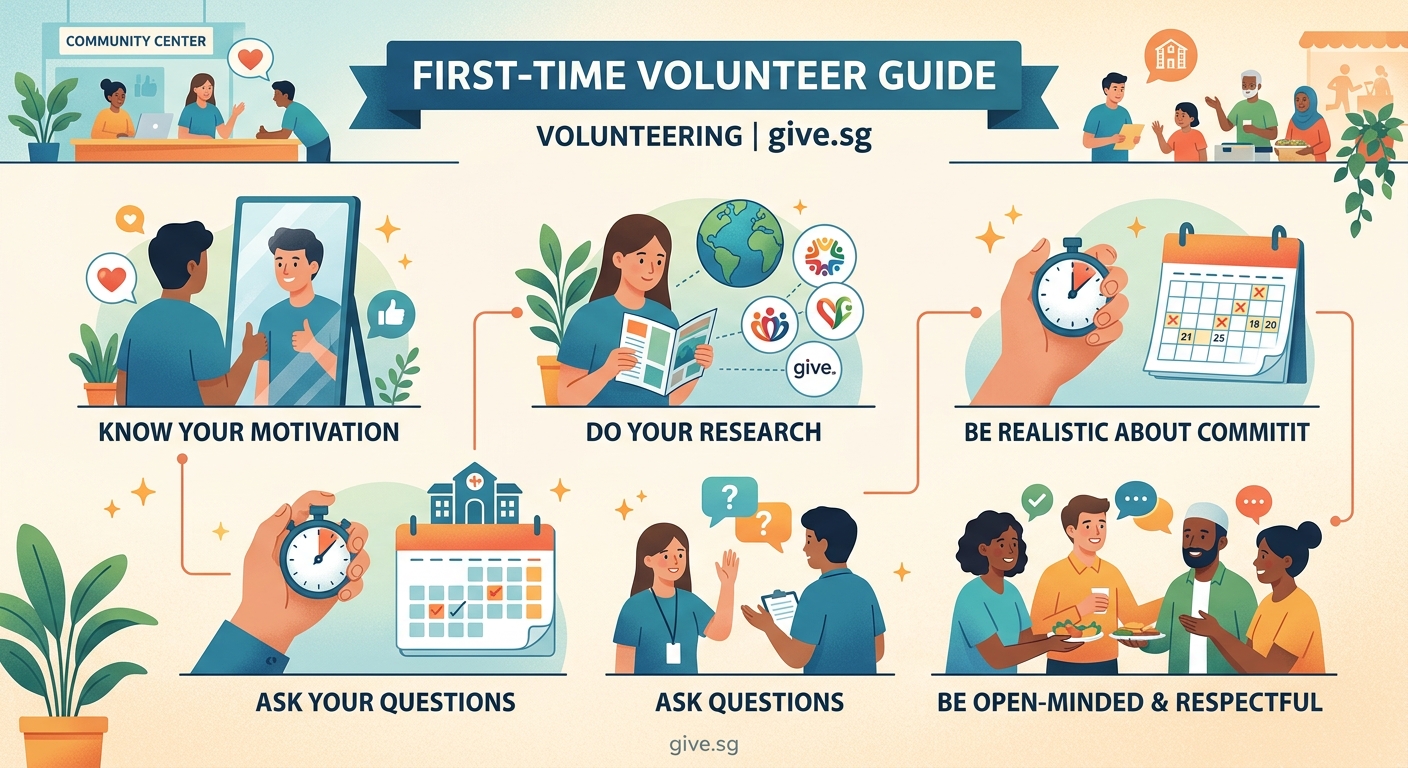
Start by thinking about what matters to you. Animal welfare? Education? Environmental conservation? Hunger relief? Your passion fuels your commitment, so choose something that genuinely interests you.
Consider your schedule realistically. Some roles need weekly commitments. Others work with one-time events or flexible hours. Be honest about what you can manage without overextending yourself.
Location matters too. A volunteer role close to home or work is easier to maintain long term. Virtual opportunities give you flexibility if transportation or distance poses challenges.
Think about your strengths and preferences:
- Do you prefer working with people or behind the scenes?
- Are you comfortable with physical tasks or better suited to administrative work?
- Do you want to develop new skills or use existing ones?
- Would you rather work independently or as part of a team?
Many platforms let you search by cause, location, and time commitment. Read descriptions carefully. Look for roles that specify “beginner friendly” or “no experience required” if you’re feeling uncertain.
Questions to ask before you commit
Before you sign up, contact the volunteer coordinator. Asking questions shows you’re serious and helps you avoid surprises. Here are essential things to clarify:
- What does a typical shift look like?
- What training or orientation do you provide?
- Who will supervise or support me during my first few shifts?
- What should I wear and bring?
- How far in advance do I need to confirm my attendance?
- What happens if I need to cancel or reschedule?
- Are there any physical requirements or health considerations?
- How long do most volunteers stay with this role?
Don’t worry about seeming overly cautious. Good organizations appreciate volunteers who ask thoughtful questions. It shows you take the commitment seriously.
If something feels unclear or uncomfortable during your conversation, trust your instincts. The right opportunity should feel welcoming and well organized.
What to expect on your first day
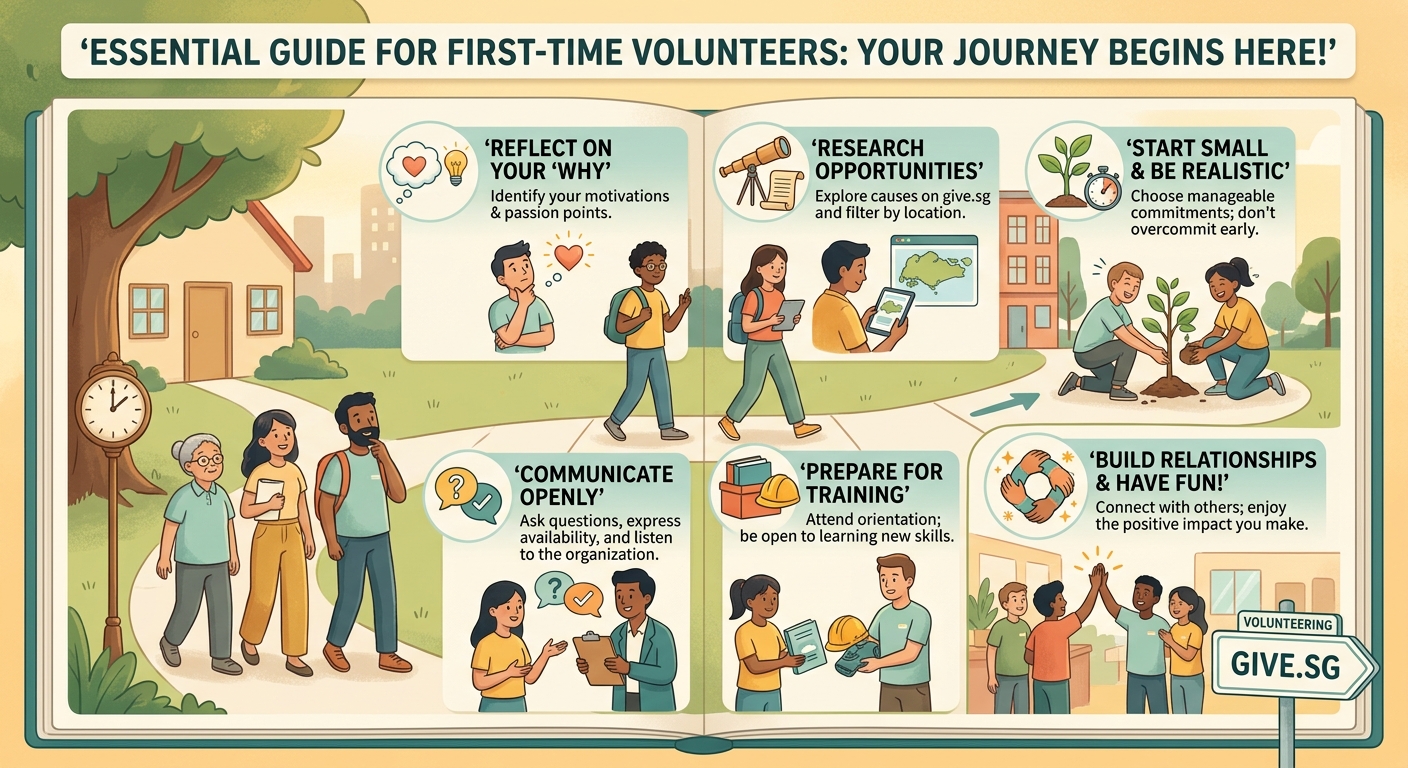
Most organizations start with an orientation. You’ll learn about their mission, meet key staff or other volunteers, and get a tour of the facility. This helps you understand the bigger picture of how your role fits in.
Training follows orientation. Even simple tasks get explained step by step. Don’t hesitate to ask for clarification. Taking notes helps you remember details for next time.
Your first assignment will likely be straightforward. Coordinators ease new volunteers into more complex tasks gradually. This protects both you and the people or causes you’re serving.
Expect to feel a little awkward at first. Everyone does. By your second or third shift, the routine becomes familiar and your confidence grows.
“The volunteers who succeed are the ones who ask questions, show up on time, and stay open to learning. We’d rather answer twenty questions than have someone struggle in silence.” – Volunteer coordinator with 15 years experience
Practical preparation steps
Getting ready for your first shift takes minimal effort but makes a big difference. Here’s how to set yourself up for success:
- Confirm your shift 24 hours in advance. Send a brief message or call to verify the time, location, and any last-minute details.
- Plan your route and timing. Arrive 10 minutes early to account for parking, finding the right entrance, or unexpected delays.
- Dress appropriately. Follow any guidelines provided, and when in doubt, choose comfortable, modest clothing suitable for the tasks described.
- Bring essentials. Water bottle, snacks if it’s a long shift, any requested documents, and your phone for emergencies.
- Eat beforehand. You’ll have more energy and better focus if you’re not hungry.
- Review any materials sent in advance. Familiarizing yourself with procedures or safety guidelines shows initiative.
Leave valuables at home. Most volunteer sites have limited secure storage. Bring only what you need.
Common mistakes new volunteers make
Learning from others’ missteps helps you avoid them. Here are the most frequent errors and how to prevent them:
| Mistake | Why It Happens | How to Avoid It |
|---|---|---|
| Overcommitting | Enthusiasm leads to promising too much time | Start with one shift and increase gradually |
| Not communicating | Fear of seeming difficult or flaky | Contact coordinators promptly if plans change |
| Ignoring boundaries | Wanting to help with everything | Stick to your assigned role and ask before expanding |
| Skipping orientation | Feeling impatient to start helping | Attend all required training even if it seems basic |
| Taking on too much responsibility | Eagerness to prove yourself | Let coordinators guide your progression |
| Arriving unprepared | Underestimating what’s needed | Review all communications and ask questions |
Many new volunteers also struggle with knowing when to speak up. If something feels unsafe, confusing, or inappropriate, say something. Organizations depend on feedback to improve their programs.
Building relationships with other volunteers
The people you meet while volunteering often become friends. They share your values and commitment, which creates natural connections.
Introduce yourself warmly but don’t force friendships. Some volunteers prefer focusing on the work. Others love chatting between tasks. Follow social cues and respect different styles.
Experienced volunteers are valuable resources. They know shortcuts, unwritten rules, and organizational culture. Most enjoy helping newcomers feel welcome. Ask for their advice or observations.
Avoid gossip or complaints, especially early on. You’re still learning the context and relationships. Stay positive and professional until you understand the dynamics better.
If you click with someone, suggest grabbing coffee after a shift or connecting on social media. Volunteering friendships often extend beyond the organization itself.
Handling challenges and setbacks
Not every volunteer experience goes smoothly. You might struggle with a task, clash with a coordinator, or feel overwhelmed. These situations are normal and manageable.
If a task feels too difficult, ask for help immediately. Trying to muddle through often makes things worse. Most coordinators would rather adjust your assignment than watch you struggle.
Personality conflicts happen. Stay professional and focus on the mission. If issues persist, speak privately with the volunteer coordinator. They’re trained to handle interpersonal challenges.
Feeling overwhelmed signals you might need a break or a different role. That’s okay. Honest communication prevents burnout and helps organizations place you more effectively.
Some volunteers discover their chosen cause or role isn’t the right fit. That’s valuable information, not failure. Thank the organization for the opportunity and look for something that aligns better with your interests.
Measuring your impact
New volunteers often wonder if they’re making a difference. The answer is yes, even when it’s not immediately visible.
Small contributions add up. Sorting donations for an hour means families get help faster. Reading to children for 30 minutes supports literacy development. Walking shelter dogs improves their adoption chances.
Some organizations share impact reports or statistics. Others provide less tangible feedback. Both types of contribution matter equally.
Keep a personal record of your volunteer hours and activities. Noting what you did and how it felt helps you see patterns and growth over time. This record also becomes useful for resumes, college applications, or scholarship requirements.
Celebrate small wins. Successfully completing your first shift, learning a new skill, or receiving positive feedback from a coordinator all deserve recognition.
Growing as a volunteer
After a few shifts, you’ll notice your confidence increasing. Tasks that seemed complicated become routine. You’ll start recognizing regular faces and understanding organizational rhythms.
This is when many volunteers consider expanding their involvement. You might take on more complex tasks, increase your hours, or try different roles within the organization.
Some volunteers develop specialized skills. Others move into leadership positions, training new volunteers or coordinating projects. Organizations often promote from within because they value institutional knowledge and proven commitment.
You might also branch out to additional causes. Many active volunteers support multiple organizations, applying lessons learned from each experience.
Stay open to unexpected opportunities. Volunteering often leads to job offers, professional connections, or completely new career paths. The skills you build and people you meet create possibilities you couldn’t have predicted.
Making volunteering a sustainable habit
The key to long-term volunteering is finding a sustainable rhythm. Burnout helps no one, so protect your energy and enthusiasm.
Schedule volunteer shifts like any other important appointment. Put them in your calendar and treat them with the same respect you’d give work or family commitments.
Balance volunteering with other life priorities. If you’re in school, busy at work, or managing family responsibilities, adjust your volunteer commitment accordingly. Most organizations prefer a reliable volunteer who comes monthly over someone who overcommits and disappears.
Check in with yourself regularly. Are you still enjoying this work? Does it align with your current life situation? Your needs and interests change over time, and that’s fine.
Remember that taking breaks doesn’t make you a bad volunteer. Stepping back when needed often leads to renewed energy and deeper commitment when you return.
Your volunteer journey starts here
You’ve got the information you need to start volunteering with confidence. Choose a cause that matters to you, ask good questions, show up prepared, and stay open to learning.
Your first shift might feel awkward, but that feeling passes quickly. Focus on the mission, be kind to yourself as you learn, and remember that organizations genuinely value your contribution.
The world needs more people willing to show up and help. Your decision to volunteer, even if it’s just a few hours a month, creates ripples of positive change. Start small, stay consistent, and watch how your impact grows.