 By chloe
Companies that ignore employee engagement pay for it later. Turnover costs add up fast, and disengaged teams drag down productivity. But there’s a straightforward solution hiding in plain sight.
Corporate volunteer programs create a win for everyone. Employees feel connected to something bigger than their job description. Companies build stronger teams and keep talent longer. Communities get the help they need.
The data backs this up. Organizations with structured volunteer initiatives see measurable improvements in retention, morale, and workplace culture. This isn’t about checking a corporate social responsibility box. It’s about building a workplace people actually want to stay in.
Corporate volunteer programs employee engagement strategies deliver measurable results for retention and morale. Companies offering structured volunteer opportunities report higher job satisfaction, stronger team bonds, and reduced turnover. HR managers and CSR directors can implement these programs using clear frameworks, employee choice, and impact measurement. The investment pays dividends through improved workplace culture and talent retention across all organizational levels.
Why volunteer programs work better than traditional engagement tactics
Traditional engagement initiatives often feel forced. Mandatory team building exercises. Generic recognition programs. Pizza parties that nobody asked for.
Volunteer programs work differently. They tap into something deeper than surface level motivation.
People want their work to matter. A 2024 study found that 78% of employees feel more engaged when their employer supports social causes. That number jumps to 89% among workers under 35.
The connection makes sense. When you spend eight hours a day at a job, you want to feel like your employer shares your values. Volunteer programs demonstrate those values in action.
But the benefits go beyond warm feelings. Volunteering builds real skills. Project management. Cross functional collaboration. Problem solving under constraints. These capabilities transfer directly back to workplace performance.
Companies also see concrete retention improvements. Organizations with active volunteer programs report 27% lower turnover compared to industry averages. The cost savings alone justify the investment.
Building a volunteer program that employees actually use
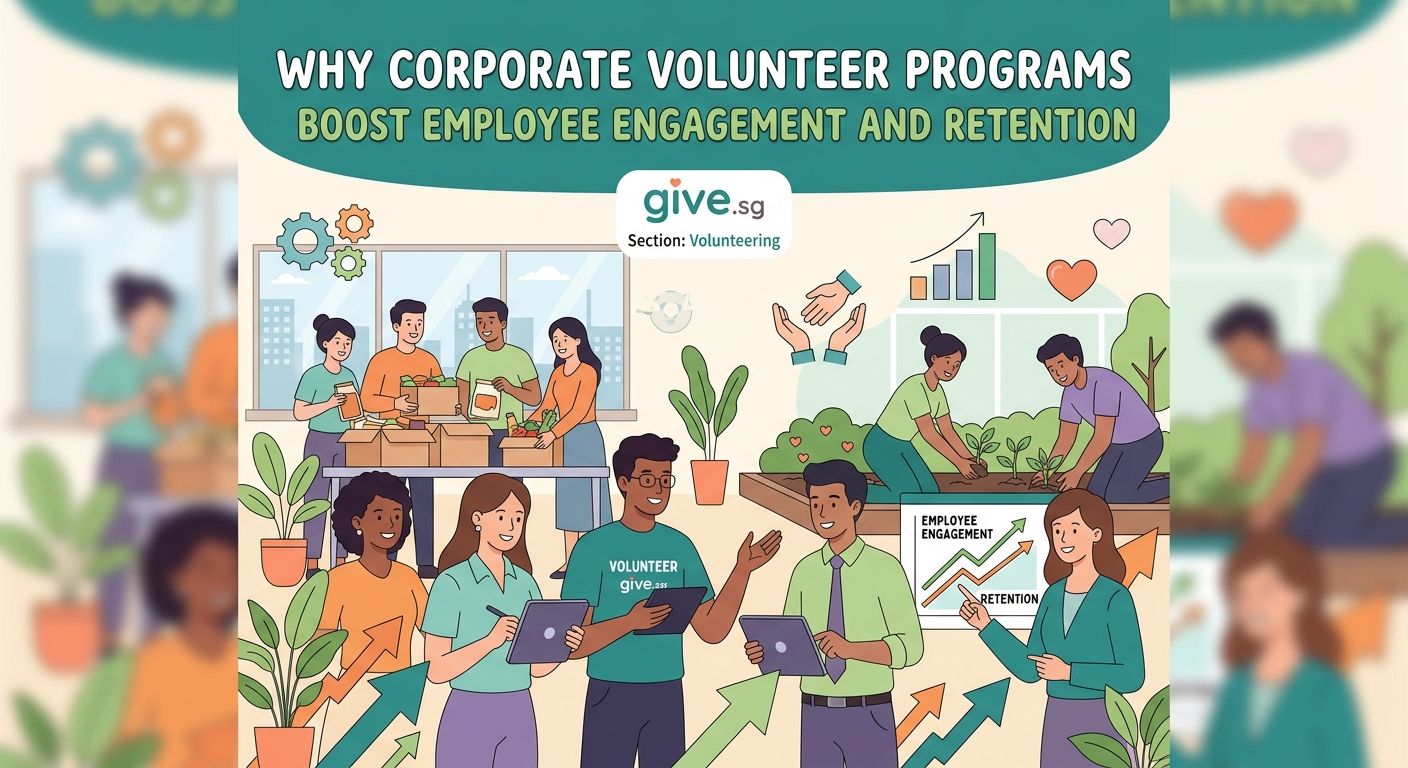
Many companies launch volunteer initiatives that nobody participates in. The program exists on paper but generates zero engagement.
The problem usually comes down to design. Programs fail when they’re built around what leadership thinks employees want instead of what employees actually need.
Here’s how to build a program people will use:
-
Survey your team before designing anything. Ask what causes matter to them. Find out what barriers prevent them from volunteering now. Learn whether they prefer group activities or individual opportunities.
-
Offer paid time off specifically for volunteering. Expecting employees to volunteer on personal time limits participation to those with flexible schedules. Companies that provide volunteer time off see participation rates 7.5 times higher than those that don’t.
-
Create multiple participation pathways. Some employees want hands on field work. Others prefer skills based volunteering that uses their professional expertise. Virtual opportunities work better for remote teams or employees with mobility constraints.
The key is removing friction. Make it easier to volunteer through your program than to volunteer independently.
“The most successful corporate volunteer programs give employees ownership over where and how they contribute. When people choose causes that resonate personally, engagement follows naturally.” – Corporate Giving Research Institute
Measuring impact beyond volunteer hours
Most companies track volunteer hours as their primary metric. That number looks good in annual reports but tells you nothing about program effectiveness.
Better metrics reveal whether your program actually drives engagement and retention.
Track these indicators instead:
- Employee satisfaction scores before and after program participation
- Retention rates among volunteers versus non volunteers
- Internal promotion rates for program participants
- Team cohesion measurements following group volunteer activities
- Recruitment success when highlighting volunteer benefits
You also need qualitative feedback. Regular pulse surveys capture what numbers miss. Ask participants how volunteering affected their view of the company. Find out whether they’d recommend the program to colleagues.
Community impact matters too. Partner organizations should report on the value your team provides. This feedback helps refine which opportunities you offer and ensures your efforts create real change.
| Metric Type | What to Measure | Why It Matters |
|---|---|---|
| Participation | Percentage of workforce involved | Shows program accessibility and appeal |
| Retention | Turnover comparison volunteers vs non volunteers | Demonstrates engagement impact |
| Satisfaction | Pre and post program surveys | Reveals employee sentiment shifts |
| Skills | Professional development from volunteering | Proves workplace value |
| Community | Partner feedback on impact quality | Ensures meaningful contribution |
Common mistakes that kill volunteer program participation
Even well intentioned programs fail when companies make these errors.
The first mistake is making participation feel mandatory. Calling it “voluntary” while tracking who signs up creates pressure. Employees participate out of obligation rather than genuine interest. That defeats the entire purpose.
Another problem is offering only one type of opportunity. A single annual event excludes people who can’t attend that specific day. Limited options also fail to match diverse employee interests.
Poor communication kills programs too. Sending one email announcement isn’t enough. Successful programs maintain ongoing visibility through multiple channels. Share stories from participants. Highlight community impact. Make volunteering part of regular workplace conversation.
Some companies also fail to accommodate different schedules and life situations. Parents with school pickup responsibilities can’t volunteer during typical business hours. Remote employees need virtual options. Accessibility matters for employees with disabilities.
The biggest mistake is treating volunteer programs as a standalone initiative. Integration with broader company culture determines success. When leadership participates visibly and managers encourage their teams, engagement follows.
Connecting volunteer programs to career development
Smart companies position volunteering as professional development, not just community service.
This framing changes how employees view participation. Instead of taking time away from work, volunteering becomes part of career growth.
Skills based volunteering creates the strongest connection. An accountant helping a nonprofit set up financial systems develops expertise while contributing. A marketing professional creating campaigns for a social cause builds portfolio work.
Leadership opportunities emerge through volunteer programs too. Organizing a team volunteer day develops project management skills. Serving on a nonprofit advisory board provides board experience that advances careers.
Document these connections explicitly. Help employees identify which skills they’re building through volunteer work. Include volunteer leadership in performance reviews and promotion considerations.
Companies like Salesforce have formalized this approach. Their volunteer programs integrate with career pathing frameworks. Employees see clear connections between community contribution and professional advancement.
Structuring programs for different company sizes
A Fortune 500 company and a 50 person startup need different volunteer program approaches.
Large organizations can support dedicated CSR staff who coordinate opportunities and track impact. They have budgets for volunteer management platforms and can negotiate partnerships with major nonprofits.
Smaller companies need leaner models. Instead of building infrastructure, partner with existing volunteer organizations. Many cities have volunteer centers that match companies with opportunities. This eliminates administrative burden while still providing meaningful experiences.
Here’s what works at different scales:
Companies under 100 employees: Focus on quarterly team volunteer days. Partner with one or two local organizations for ongoing relationships. Use simple tracking through shared spreadsheets or free tools.
Mid size organizations (100 to 1,000 employees): Implement volunteer time off policies. Create an internal portal listing opportunities. Assign a part time coordinator to manage logistics and partnerships.
Large enterprises (1,000+ employees): Build comprehensive programs with dedicated staff. Invest in volunteer management software. Develop signature initiatives that align with company expertise. Create global opportunities for international teams.
The principles remain constant regardless of size. Employee choice matters. Paid time increases participation. Regular communication drives engagement.
Addressing skepticism from leadership and finance teams
Not everyone immediately sees volunteer program value. Finance teams question the cost. Some leaders view it as distraction from business priorities.
Build your business case with hard data. Start with turnover costs. Replacing an employee typically costs 50% to 200% of their annual salary. If your volunteer program reduces turnover by even 5%, the ROI becomes obvious.
Recruitment advantages matter too. Job seekers increasingly prioritize employer values. Highlighting volunteer programs attracts talent and reduces hiring costs. Companies with strong CSR reputations receive 50% more job applications.
Employee productivity increases as well. Engaged employees perform better. Studies show workers who participate in volunteer programs demonstrate 13% higher productivity than non participants.
Present volunteer programs as talent strategy, not charity. Frame the investment in terms of retention, recruitment, and performance improvement. These arguments resonate with business minded leaders.
Start small if you face resistance. Pilot a program with one department or location. Measure results rigorously. Use that data to expand when you’ve proven impact.
Making volunteer programs inclusive and accessible
Programs that only work for certain employees create resentment instead of engagement.
Physical volunteer opportunities exclude people with mobility limitations. Weekday events don’t work for employees with caregiving responsibilities. In person requirements leave out remote workers.
Build inclusivity into program design from the start. Offer virtual volunteering options like online tutoring, remote mentoring, or digital skills training for nonprofits. These opportunities work for anyone with internet access.
Provide flexible timing. Some employees prefer weekend volunteering. Others want to use their volunteer time off during business hours. Both options should exist.
Consider financial barriers too. If volunteer activities require transportation to distant locations, provide it or reimburse costs. Don’t assume everyone can afford to drive 50 miles for a volunteer day.
Cultural and religious considerations matter. Ensure volunteer opportunities respect diverse backgrounds. Partner with organizations serving different communities. Avoid scheduling major volunteer events during religious holidays.
Accessibility extends to communication. Share opportunities through multiple channels. Use plain language. Provide materials in languages your workforce speaks.
Partnering with nonprofits for mutual benefit
The best volunteer programs create value for both companies and community organizations.
Bad partnerships happen when companies focus solely on employee experience. They treat nonprofits like vendors providing a service. This approach leads to mismatched expectations and minimal community impact.
Strong partnerships start with listening. Ask potential nonprofit partners what help they actually need. Their answer might surprise you.
Many nonprofits don’t need more people showing up for one day projects. They need consistent support, skilled expertise, or funding. Design your program around genuine community needs rather than what feels good for employees.
Long term relationships work better than one off events. Returning to the same organizations builds deeper connections. Employees see the impact of their continued contribution. Nonprofits can rely on your support for planning purposes.
Respect nonprofit staff time and expertise. They’re professionals running complex organizations, not event coordinators for your team building. Compensate them fairly if you’re asking for customized volunteer experiences.
The relationship should flow both ways. Nonprofits gain volunteer support and potentially funding. Your company gains engaged employees and community connections. When both sides benefit, partnerships last.
Adapting programs for remote and hybrid workforces
Remote work changed how companies approach volunteering. Traditional models assumed everyone worked in the same location.
Virtual volunteering solves the geography problem. Employees can mentor students online, provide professional consulting to nonprofits via video calls, or participate in digital advocacy campaigns. These opportunities work regardless of where someone lives.
Hybrid teams need both options. Offer in person volunteer days for employees who want face to face interaction. Provide virtual alternatives for those working remotely or preferring digital participation.
Asynchronous volunteering adds another layer of flexibility. Not everyone can join a scheduled video call across time zones. Self directed opportunities like writing content for nonprofits, creating graphics, or providing technical support work on individual schedules.
Technology enables remote volunteer program management too. Platforms track participation, share opportunities, and measure impact without requiring physical presence. This infrastructure supports distributed teams effectively.
Don’t abandon in person opportunities entirely. Many employees miss the connection that comes from volunteering alongside colleagues. Regional volunteer events for hybrid teams build relationships while supporting communities.
Sustaining momentum beyond the launch phase
Most volunteer programs start strong then fade. Initial enthusiasm gives way to competing priorities and declining participation.
Sustained success requires ongoing attention. Treat your volunteer program like any business initiative that needs nurturing.
Regular communication keeps volunteering visible. Share participant stories monthly. Highlight community impact in company meetings. Celebrate milestones like total hours contributed or lives affected.
Refresh opportunities frequently. People lose interest when they see the same options repeatedly. Add new partnerships. Try different volunteer formats. Survey employees about emerging interests.
Leadership participation matters enormously. When executives volunteer visibly and talk about their experiences, it signals that the program matters. Middle managers need encouragement to support their team’s participation too.
Recognize contributors meaningfully. Public acknowledgment works for some people. Others prefer private appreciation. Tie volunteer leadership to career advancement when appropriate.
Track metrics consistently and share results transparently. Show how the program affects retention, engagement, and community impact. Data demonstrates value and maintains organizational support.
Turning volunteers into long term community advocates
The best outcome isn’t just employee engagement. It’s creating lasting connections between your workforce and the communities you serve.
Some employees discover causes they care deeply about through company volunteer programs. They continue contributing personal time and resources long after the official event ends.
Support this transition intentionally. Provide information about ongoing volunteer opportunities with partner organizations. Share donation matching programs that extend beyond volunteering. Connect passionate employees with nonprofit board service opportunities.
This extended engagement benefits everyone. Employees develop meaningful community connections. Nonprofits gain committed long term supporters. Your company builds authentic relationships with communities rather than transactional volunteer events.
Encourage employees to bring their families into volunteering. Programs that welcome children or partners create deeper roots. These experiences shape how employees view your company’s role in their lives.
Some companies create alumni networks for volunteer program participants. These communities share opportunities, organize independent volunteer activities, and maintain engagement even after employees leave the company.
Programs that work for your team and your community
Corporate volunteer programs succeed when they serve everyone involved. Employees gain purpose and connection. Companies build stronger, more loyal teams. Communities receive meaningful support.
The formula isn’t complicated. Listen to what your employees care about. Remove barriers to participation. Measure what matters. Partner authentically with nonprofits. Keep the program visible and evolving.
Start wherever you are. Small companies can create impact with simple programs. Large organizations can build comprehensive initiatives. The size matters less than the genuine commitment to employee engagement and community contribution.
Your volunteer program should feel like a natural extension of company culture, not a separate initiative. When volunteering becomes part of how your organization operates, engagement and retention benefits follow naturally.
The time to start is now. Your employees want to contribute. Your community needs support. The business case is clear. Build a volunteer program that brings those pieces together, and watch what happens to engagement across your organization.