 By chloe
Charitable giving has always required a leap of faith. You send money to an organization and hope it reaches the people who need it most. But what if you could watch every dollar move from your wallet to the final recipient in real time? That’s exactly what blockchain technology makes possible, transforming charity from a trust exercise into a verifiable, transparent system that benefits everyone involved.
[Blockchain technology](https://en.wikipedia.org/wiki/Blockchain) creates permanent, transparent records of charitable donations that donors can verify at any time. Smart contracts automate fund distribution based on predefined conditions, reducing administrative costs by up to 90% while ensuring donations reach intended recipients. Cryptocurrency donations enable instant cross-border giving without currency conversion fees, making global philanthropy accessible to anyone with internet access. This technology rebuilds trust in charitable organizations through complete financial transparency.
Why Traditional Charity Models Struggle With Trust
The charitable sector faces a credibility crisis. High-profile scandals have made donors question where their money actually goes. Administrative overhead consumes significant portions of donations, sometimes reaching 30% or more of total contributions.
Traditional financial systems create natural barriers. Banks charge fees for international transfers. Currency conversions eat into donation amounts. Processing times delay urgent aid by days or weeks.
Donors rarely see proof their money made an impact. Annual reports arrive months after donations, filled with aggregate statistics that don’t show individual contribution outcomes. This opacity breeds skepticism, especially among younger donors who expect real-time information in every other aspect of their lives.
Nonprofit organizations struggle too. They spend countless hours producing reports for different stakeholders. Auditing costs money that could otherwise fund programs. Compliance requirements vary by country, creating complexity for international operations.
How Distributed Ledger Technology Works for Donations
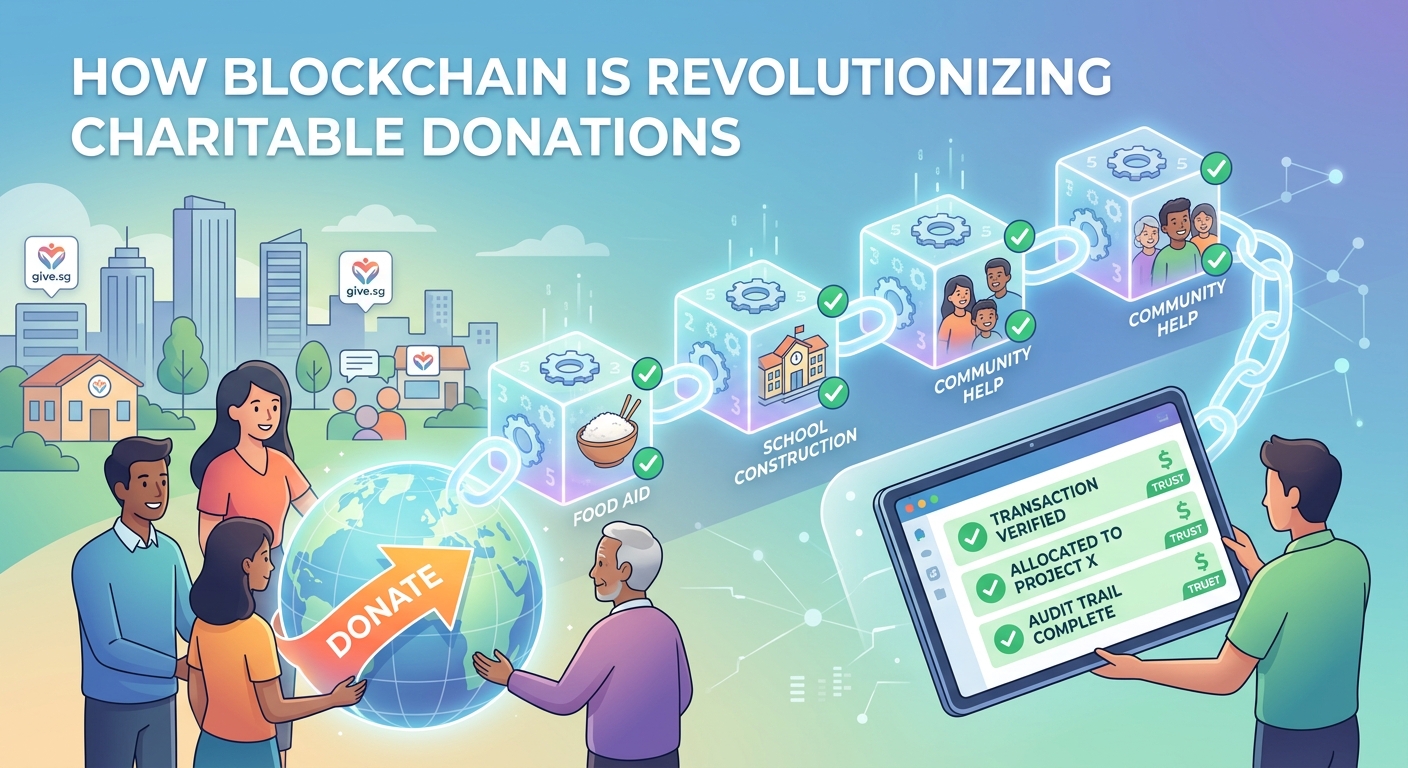
Blockchain functions as a shared database that multiple parties can view but no single entity controls. Every transaction gets recorded in a “block” that links to previous blocks, creating an unbreakable chain of financial history.
When someone makes a donation using blockchain, the transaction gets verified by multiple computers in the network. These validators confirm the donation is legitimate before adding it to the permanent record. This process takes minutes instead of days.
The ledger remains public and accessible. Anyone can verify transactions without revealing personal donor information. Nonprofits can share their blockchain address, allowing supporters to see incoming donations and outgoing program expenses in real time.
Cryptocurrency donations work seamlessly within this system. Bitcoin, Ethereum, and other digital currencies move across borders instantly without intermediaries. A donor in Tokyo can support a water project in Kenya with zero conversion fees and complete transparency.
Smart contracts add another layer of efficiency. These self-executing programs release funds automatically when specific conditions are met. If a nonprofit promises to build ten wells, the smart contract can release funding incrementally as each well gets completed and verified.
Benefits That Matter to Donors and Organizations
The cost savings alone justify attention. Traditional payment processors charge 2-3% per transaction. International wire transfers can cost $30-50 per transaction. Blockchain transactions typically cost less than $1, regardless of amount or destination.
Transparency becomes built into the system rather than an added feature. Donors see their contributions move through the organization. They watch funds convert into actual programs without waiting for quarterly reports.
Speed matters during emergencies. When disasters strike, blockchain enables instant fund deployment. Organizations can receive and distribute aid within hours instead of navigating banking delays that can stretch for weeks.
Younger donors prefer cryptocurrency giving. Millennials and Gen Z hold significant digital assets and want to use them for social good. Organizations accepting crypto tap into a growing donor base that traditional nonprofits often miss.
Tax documentation improves dramatically. Every blockchain transaction creates an immutable record that satisfies tax authorities. Donors get automatic receipts they can’t lose or forge. Nonprofits reduce accounting workload while maintaining perfect compliance.
Real Organizations Using Blockchain Right Now
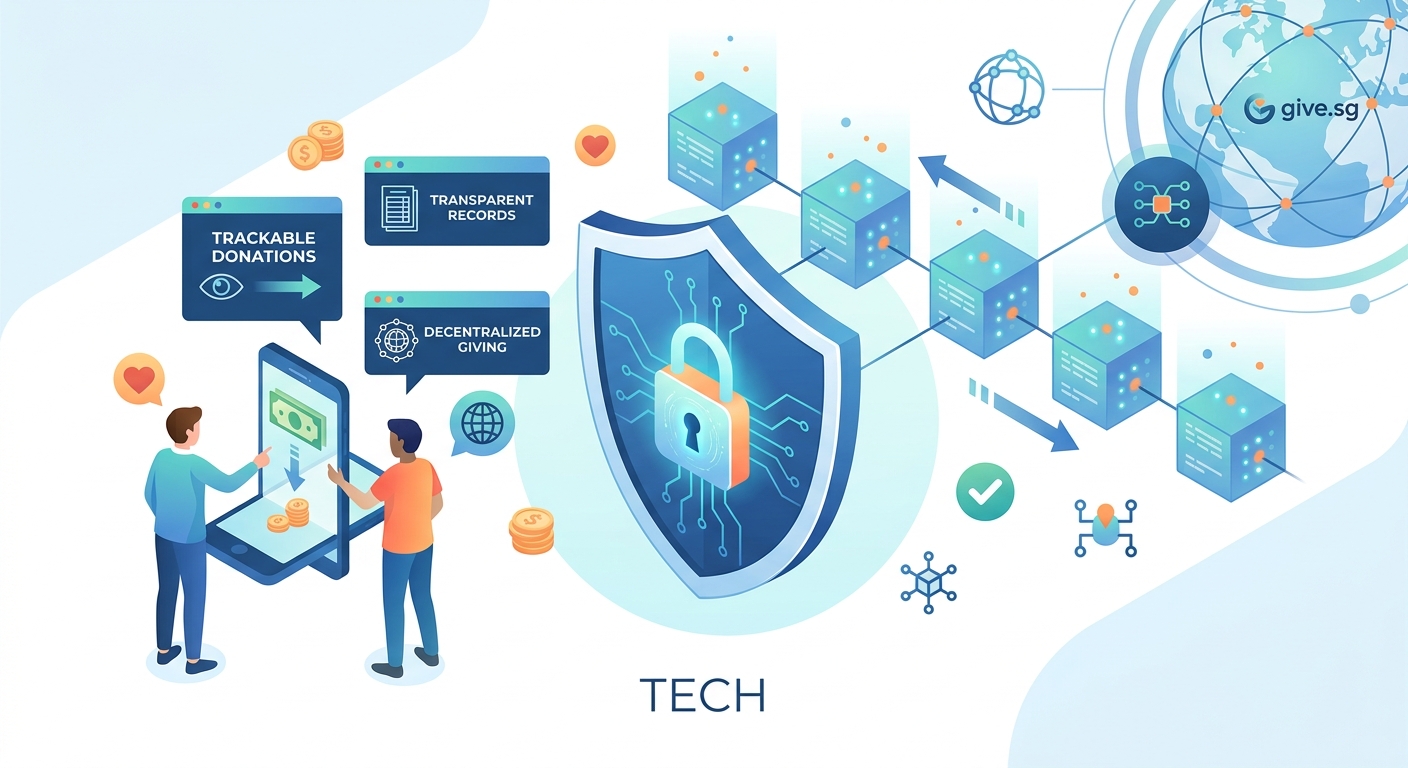
Several major nonprofits have already adopted blockchain technology with measurable results. The United Nations World Food Programme launched Building Blocks, a blockchain system that has served over one million refugees. Recipients receive cryptocurrency vouchers they can spend at participating stores, with every transaction recorded transparently.
The Giving Block connects nonprofits with cryptocurrency donors, processing millions in digital donations annually. Organizations ranging from environmental groups to medical research foundations now accept Bitcoin, Ethereum, and dozens of other cryptocurrencies.
UNICEF operates a cryptocurrency fund that accepts and disburses digital currencies directly. They’ve funded open-source technology projects in developing countries, with every donation and disbursement visible on public blockchains.
Binance Charity Foundation has distributed over $10 million through blockchain-tracked donations. Their platform shows donors exactly where money goes, including photos and updates from beneficiaries receiving aid.
These aren’t experimental pilots. They’re operational systems moving real money to real people, proving blockchain charity works at scale.
Step-by-Step Process for Blockchain Donations
Understanding the donation flow helps both donors and organizations implement blockchain giving:
- Donor initiates a cryptocurrency transfer from their digital wallet to the nonprofit’s public blockchain address.
- The transaction broadcasts to the blockchain network where validators confirm its legitimacy within minutes.
- The nonprofit’s wallet receives the donation, creating a permanent, time-stamped record visible to anyone checking the blockchain.
- Smart contracts (if used) automatically allocate funds according to predefined rules, such as splitting donations between programs or releasing funds when milestones are met.
- The organization converts cryptocurrency to local currency as needed, or holds digital assets depending on their strategy and local regulations.
- Program expenditures get recorded on the blockchain, creating an unbroken chain from donation to impact.
- Donors check the blockchain anytime to verify their contribution and see how the organization used funds.
This process eliminates intermediaries that slow traditional giving. No banks process transfers. No payment companies take percentage cuts. The donor and recipient connect directly through technology.
Common Implementation Challenges and Solutions
Not everything about blockchain charity is simple. Organizations face real obstacles when adopting this technology.
Cryptocurrency volatility creates budget uncertainty. A donation worth $10,000 today might be worth $8,000 tomorrow. Many nonprofits solve this by immediately converting crypto to stable coins (digital currencies pegged to traditional money) or local currency.
Technical expertise requirements intimidate smaller organizations. Setting up wallets and managing private keys feels overwhelming. Third-party platforms now handle the technical complexity, letting nonprofits accept crypto donations as easily as credit cards.
Regulatory uncertainty varies by country. Some governments embrace cryptocurrency donations while others restrict them. Organizations must consult legal experts familiar with both nonprofit law and cryptocurrency regulations in their jurisdiction.
Donor education takes effort. Many potential supporters don’t understand how to buy or send cryptocurrency. Nonprofits that succeed provide clear instructions, video tutorials, and responsive support for first-time crypto donors.
Here’s how different approaches compare:
| Approach | Cost | Speed | Transparency | Technical Complexity |
|---|---|---|---|---|
| Traditional banking | High fees | 3-7 days | Limited | Low |
| Payment processors | Medium fees | 1-2 days | Medium | Low |
| Direct blockchain | Minimal fees | Minutes | Complete | Medium |
| Blockchain platforms | Low fees | Minutes | Complete | Low |
The platform approach offers the best balance for most organizations. Companies like The Giving Block or Engiven handle technical details while providing full blockchain transparency.
What Nonprofit Professionals Need to Know
Board members and executives often hesitate around cryptocurrency, viewing it as risky or complicated. The reality is less dramatic. Accepting blockchain donations doesn’t mean abandoning traditional giving methods or converting all assets to cryptocurrency.
Start small. Set up a cryptocurrency wallet and add it as an option alongside credit cards and bank transfers. Many organizations find crypto donations represent 5-10% of total giving within the first year, often from new donors who wouldn’t have contributed otherwise.
“The question isn’t whether nonprofits should accept cryptocurrency donations, but how quickly they can implement it. Every month of delay means missing donors who want to give but can’t use their preferred asset.” – Anonymous blockchain charity consultant
Staff training matters less than you’d expect. Third-party platforms handle most technical aspects. Your team needs to understand basics like checking wallet balances and explaining the process to curious donors, not blockchain programming.
Financial planning requires adjustment. Develop policies for when to convert cryptocurrency to traditional currency. Some organizations convert immediately to avoid volatility. Others hold a percentage as a long-term investment, similar to an endowment strategy.
Marketing these new options attracts attention. Announce cryptocurrency acceptance through email, social media, and your website. Many crypto holders actively search for charitable giving opportunities but don’t know which organizations accept digital assets.
Key Features Donors Should Look For
Not all blockchain charity systems offer equal transparency or efficiency. Educated donors can evaluate organizations based on specific criteria.
Look for organizations that publish their blockchain addresses publicly. This allows independent verification without relying on the nonprofit’s own reporting. You can check any blockchain explorer to see incoming donations and outgoing expenses.
Smart contract usage indicates sophisticated implementation. Organizations using automated fund distribution based on measurable outcomes demonstrate commitment to accountability. Ask whether they use smart contracts and what conditions trigger fund releases.
Multi-signature wallets provide security. These require multiple authorized individuals to approve transactions, preventing any single person from misusing funds. Organizations serious about security implement multi-sig wallets as standard practice.
Regular blockchain reporting supplements traditional financial statements. Forward-thinking nonprofits publish quarterly blockchain summaries showing donation flows, conversion rates, and program expenditures with transaction links anyone can verify.
Integration with impact metrics creates powerful accountability. The best implementations connect blockchain transactions to real-world outcomes, showing not just that money was spent but what it accomplished.
Essential Considerations Before Donating
Cryptocurrency donations often provide tax advantages, but rules vary by location. In many jurisdictions, donating appreciated cryptocurrency lets you deduct the full market value without paying capital gains taxes. Consult a tax professional familiar with cryptocurrency before making large donations.
Timing affects value. Cryptocurrency prices fluctuate significantly. Consider donating when your holdings have appreciated to maximize both your tax deduction and the organization’s benefit. Conversely, selling depreciated crypto and donating cash might make more sense.
Privacy levels differ across blockchains. Bitcoin transactions are pseudonymous but traceable. Privacy coins like Monero offer greater anonymity. Most donors find standard blockchain transparency acceptable, but those with privacy concerns should understand what information becomes public.
Irreversible transactions require care. Unlike credit card payments, blockchain transactions can’t be reversed if you send to the wrong address. Double-check recipient addresses before confirming donations. Many wallets let you save verified addresses to prevent errors.
Building Trust Through Transparent Operations
The fundamental promise of blockchain charity is trust through verification rather than reputation. Traditional nonprofits ask donors to trust their good intentions and proper management. Blockchain organizations provide proof.
This shift changes the donor-nonprofit relationship. Supporters become partners who can independently verify impact. Organizations that embrace this transparency often find it liberating, reducing time spent on reporting while increasing donor confidence.
Younger generations particularly value this model. They’ve grown up with on-demand information access and expect the same from charitable organizations. Blockchain meets these expectations in ways traditional systems never could.
The technology also enables new giving models. Decentralized Autonomous Organizations (DAOs) let donors collectively govern charitable funds through voting mechanisms. Token-based giving allows supporters to earn rewards for contributions or participation in nonprofit activities.
These innovations are just beginning. As blockchain technology matures and more organizations adopt it, charitable giving will become more transparent, efficient, and accessible than ever before.
What Blockchain Enables for Global Philanthropy
Cross-border giving becomes frictionless. Someone in Canada can support education programs in Ghana without currency conversion fees, bank delays, or intermediary organizations taking cuts. The donation arrives in minutes, recorded permanently on the blockchain.
Micro-donations gain viability. Traditional payment processing makes small donations inefficient due to fixed fees. Blockchain’s minimal transaction costs enable $1 or $5 donations that actually make sense economically. This opens philanthropy to people who want to help but can’t afford large contributions.
Recurring donations automate perfectly. Smart contracts can execute monthly donations without requiring repeated manual transactions. Donors set parameters once, and the blockchain handles everything else until they modify or cancel the arrangement.
Matching programs become verifiable. When corporations or wealthy donors promise to match contributions, blockchain provides proof they followed through. Donors see both their contribution and the matching funds arrive, eliminating doubt about whether matches actually occurred.
Emergency response improves dramatically. When hurricanes, earthquakes, or conflicts create urgent needs, blockchain enables instant fund deployment without waiting for banking systems. Organizations can receive and distribute aid within hours of disasters occurring.
Getting Started With Blockchain Giving
For donors ready to try cryptocurrency philanthropy, the process is straightforward. Purchase cryptocurrency through a reputable exchange like Coinbase or Kraken. Transfer it to a personal wallet for security. Identify nonprofits accepting crypto donations through directories like The Giving Block.
Organizations wanting to accept blockchain donations should research platform options. Services like Engiven, The Giving Block, and BitPay handle technical complexity while providing transparency benefits. Alternatively, technically capable organizations can set up direct wallet acceptance.
Start with education. Both donors and nonprofits benefit from understanding blockchain basics before diving in. Numerous free resources explain cryptocurrency, wallets, and transaction processes in accessible language.
Join communities of blockchain philanthropy practitioners. Online forums, social media groups, and industry associations provide support, answer questions, and share best practices. Learning from others’ experiences accelerates your own implementation.
Making Charitable Giving Work Better for Everyone
Blockchain technology doesn’t replace traditional philanthropy. It enhances giving by adding transparency, reducing costs, and enabling new possibilities. Organizations can accept both cryptocurrency and traditional donations, serving all donor preferences.
The transformation is already happening. Millions of dollars flow through blockchain charity systems annually, with growth accelerating as awareness spreads. Early adopters gain advantages in attracting tech-savvy donors and reducing operational costs.
For donors tired of wondering where their money goes, blockchain provides answers. For nonprofits overwhelmed by reporting requirements and banking fees, it offers relief. For beneficiaries needing urgent assistance, it enables faster help.
The technology isn’t perfect. Challenges around volatility, regulation, and adoption remain. But the core promise holds true: blockchain creates verifiable, transparent charitable giving that rebuilds trust through proof rather than promises. As more organizations and donors embrace this approach, philanthropy becomes more effective, efficient, and accessible to everyone who wants to make a difference.